Every now and again, a piece of technology comes along that makes me grin like a child who has just found a secret compartment in a toy robot. This week, that technology was ChatGPT image generation.
I started with a simple idea: what if The Gadget Man was not just a blog, a podcast, or a bloke surrounded by cables, 3D printers, strange gadgets and half-finished ideas, but an actual comic book hero?
Not a cape-wearing superhero. Not someone bitten by a radioactive soldering iron. Just a gadget-loving chap with a cup of tea, a slightly dangerous number of ideas, and the ability to solve problems with technology, common sense and the occasional dramatic pose.
So I gave ChatGPT a photo of myself and typed the following prompt:
This is The Gadget Man, create a 2 page american style comic strip about him stopping a cyber attack by martians
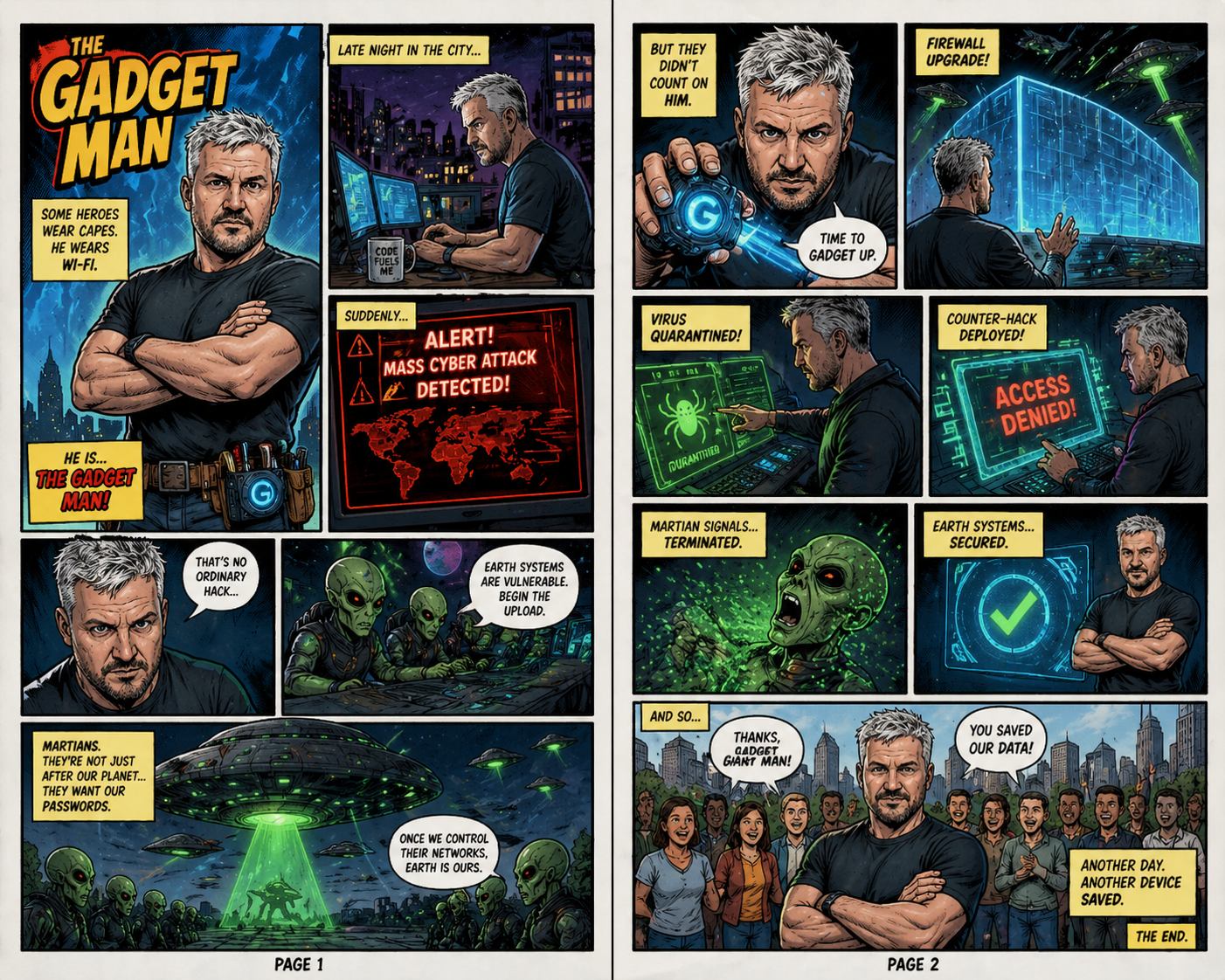
First Draft of The Gadget Man
And there it was. A full two-page comic book spread featuring The Gadget Man battling Martians who were attempting to take over Earth’s systems. It had panels, speech bubbles, glowing screens, alien spaceships, dramatic lighting, and just the right amount of over-the-top comic book nonsense.
There was one small problem. In the final panel, instead of the crowd saying “Thanks Gadget Man!”, the speech bubble said “Thanks Gadget Giant Man!”
So I simply replied:
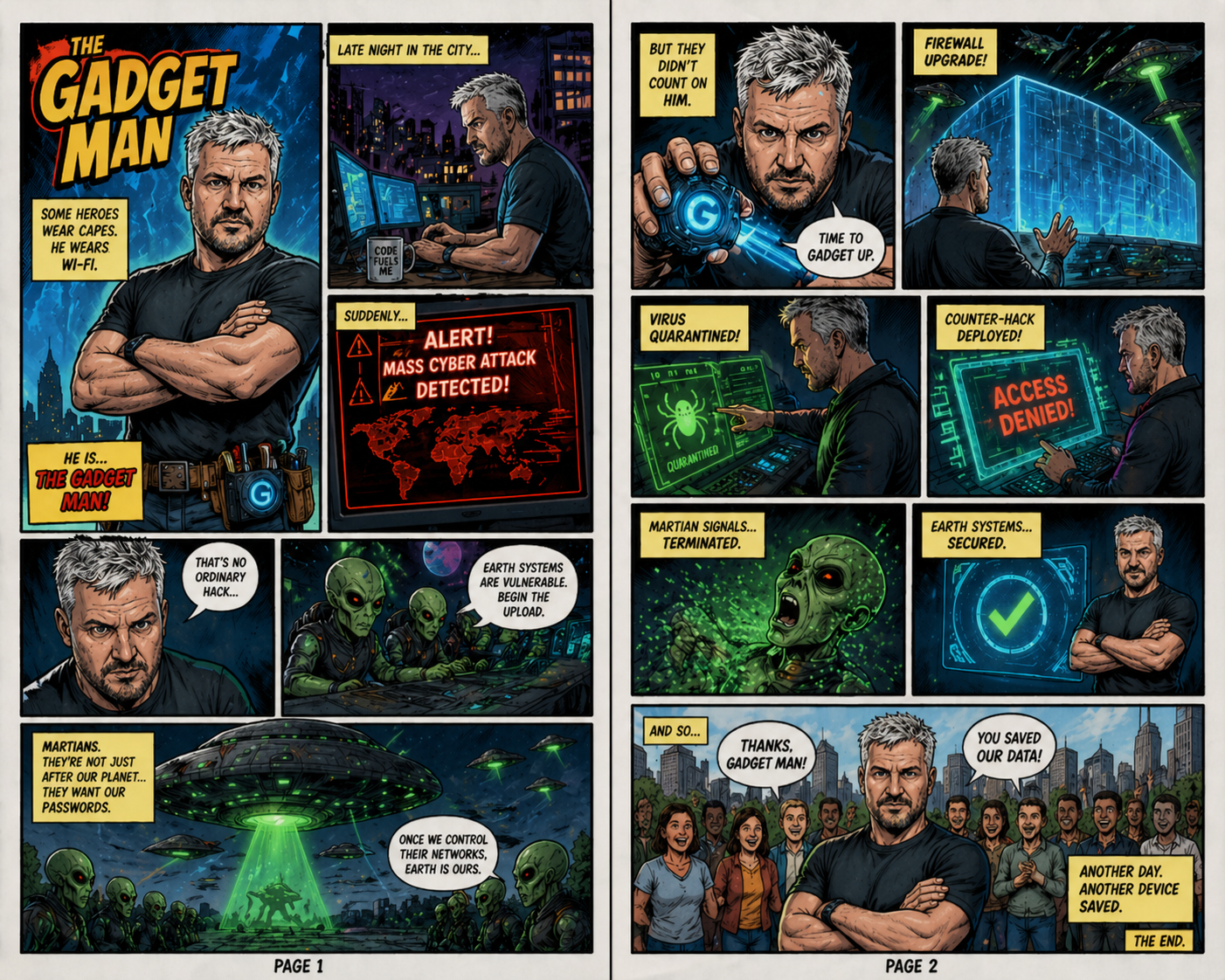
the last panel says THANKS GADGET GIANT MAN!, it should say THANKS GADGET MAN!
And ChatGPT corrected it.
The Gadget Man and The Alien Cyber Attack
That was the moment it really clicked. This was not just asking a computer to make a picture. This was creative direction. I could guide the scene, spot issues, refine the result, and build a series.
The Gadget Man Comic Universe Begins
Once the first comic was created, I did what any sensible adult would do. I immediately made several more.
The next prompt was:
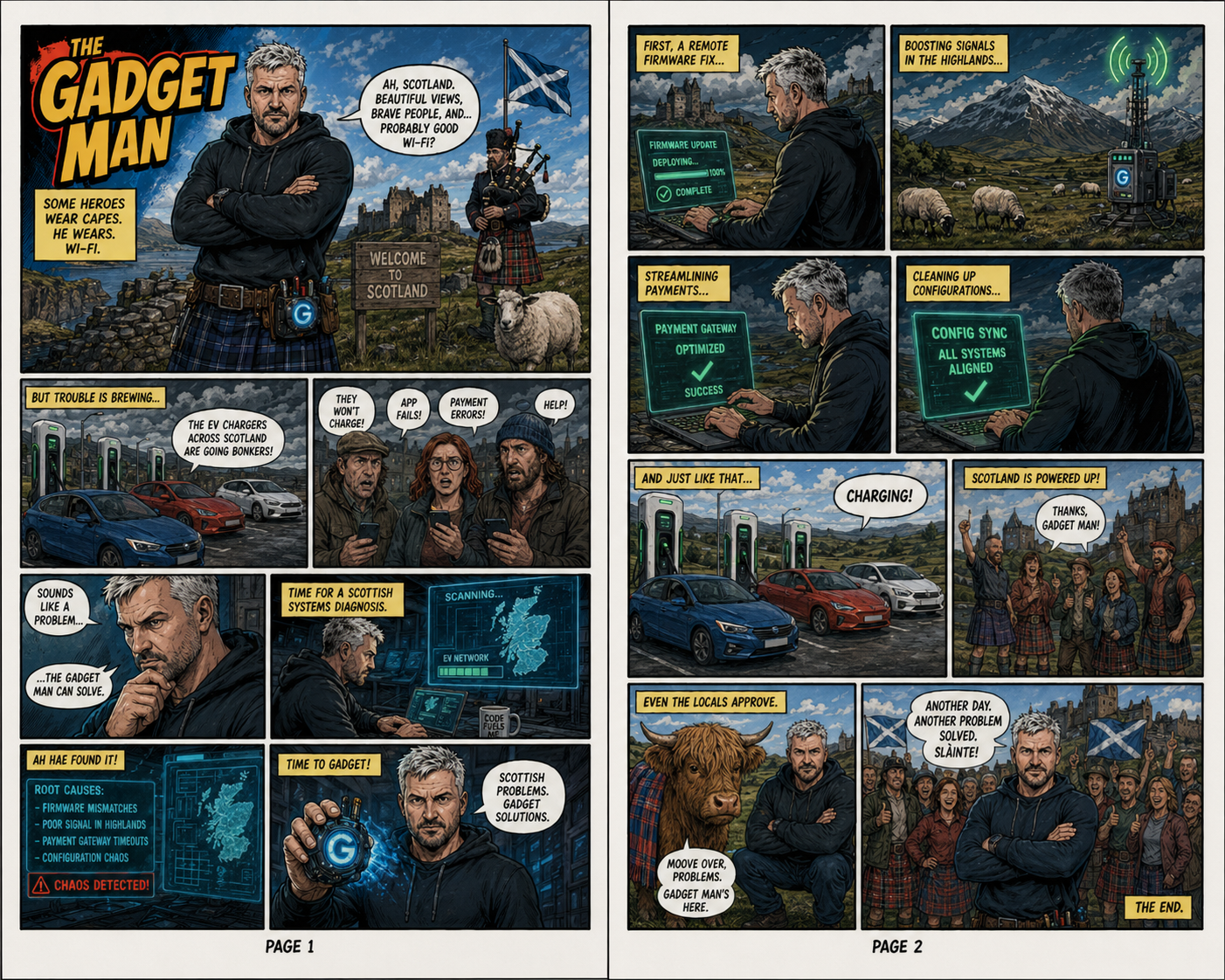
Excellent, create another comic about Gadget Man visiting Scotland and saving them from EV Charger problems
The Gadget Man and the Mystery of the Scottish EV Chargers
This produced a wonderfully ridiculous adventure in which The Gadget Man travels north of the border to rescue Scotland from faulty EV chargers, broken apps, signal problems and confused motorists. There were Highland cows, charging stations, Scottish scenery, and, naturally, the sort of technological tinkering that saves the day.
Then came one of my favourites:
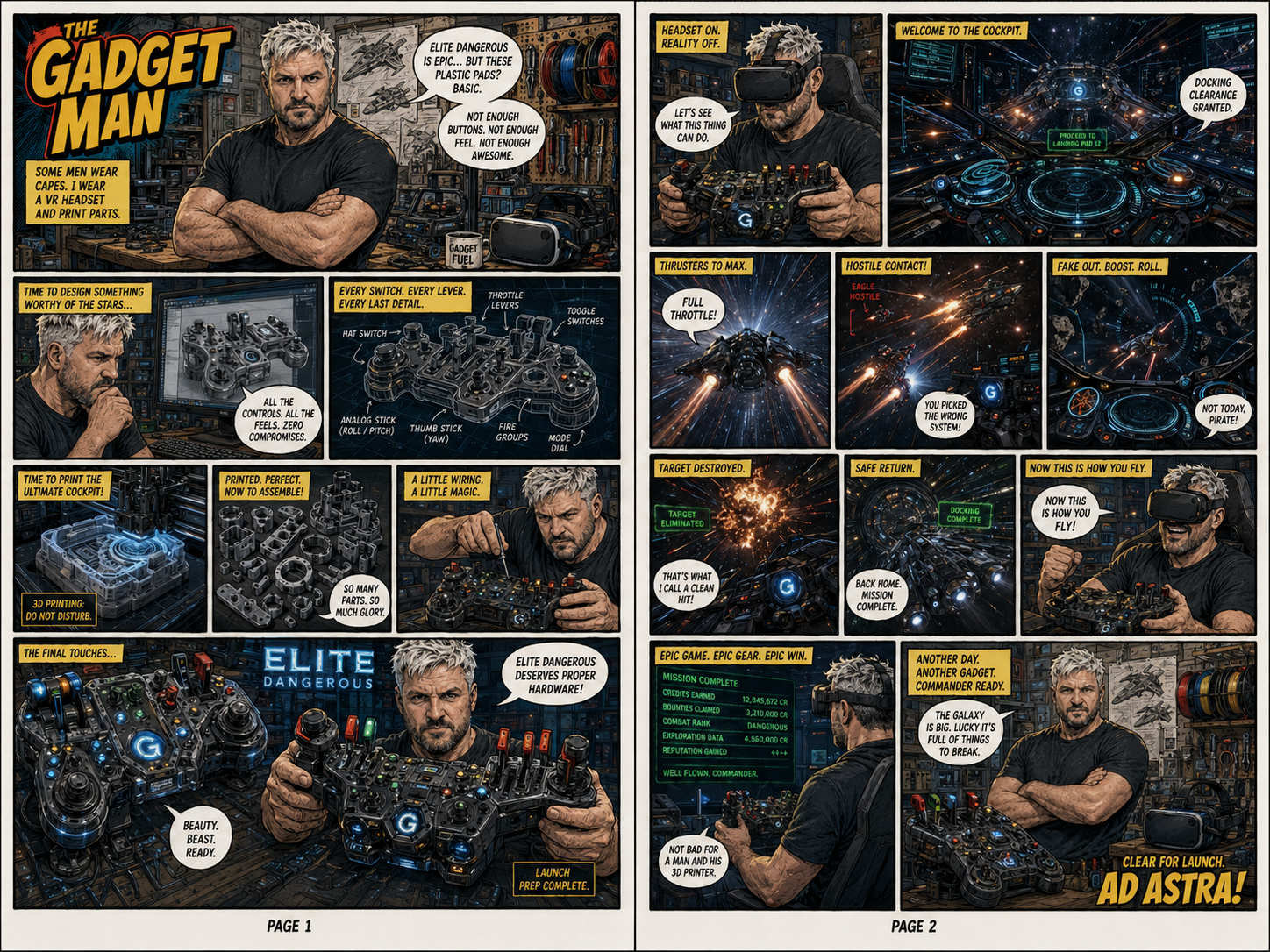
Create another comic featuring Gadget Man 3d Printing an elaborate controller for use with his VR headset to play Elite Dangerous
The Gadget Man and the 3d Printed Elite Dangerous Controller
This one was pure Gadget Man territory. 3D printing, VR, Elite Dangerous, switches, buttons, joysticks, wiring, and a controller that looked as though it had been designed by someone who had spent far too long thinking, “You know what this game needs? More buttons.”
After that, Vanessa joined the adventure.
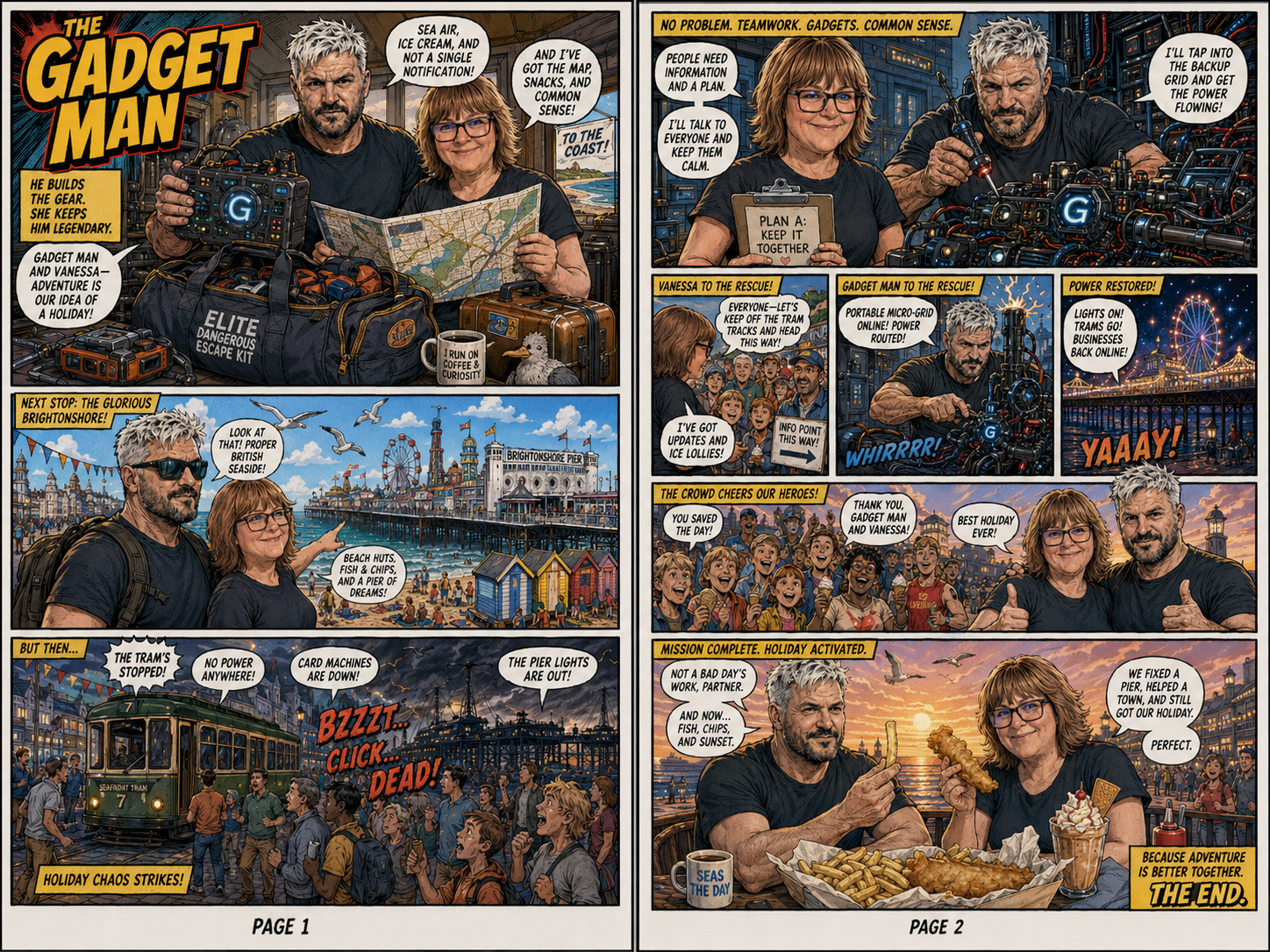
Create another comic featuring Gadget Man and his sidekick wife Vanessa. Their adventure is finally getting away for a break at the coast
Gadget Man and Vanessa go to the Coast
The result was a seaside adventure featuring Gadget Man and Vanessa finally escaping for a well-earned break, only to find that even a trip to the coast can turn into a heroic mission when technology, transport and holiday chaos collide.
Of course, Vanessa deserved a break from all this madness, so I followed up with:
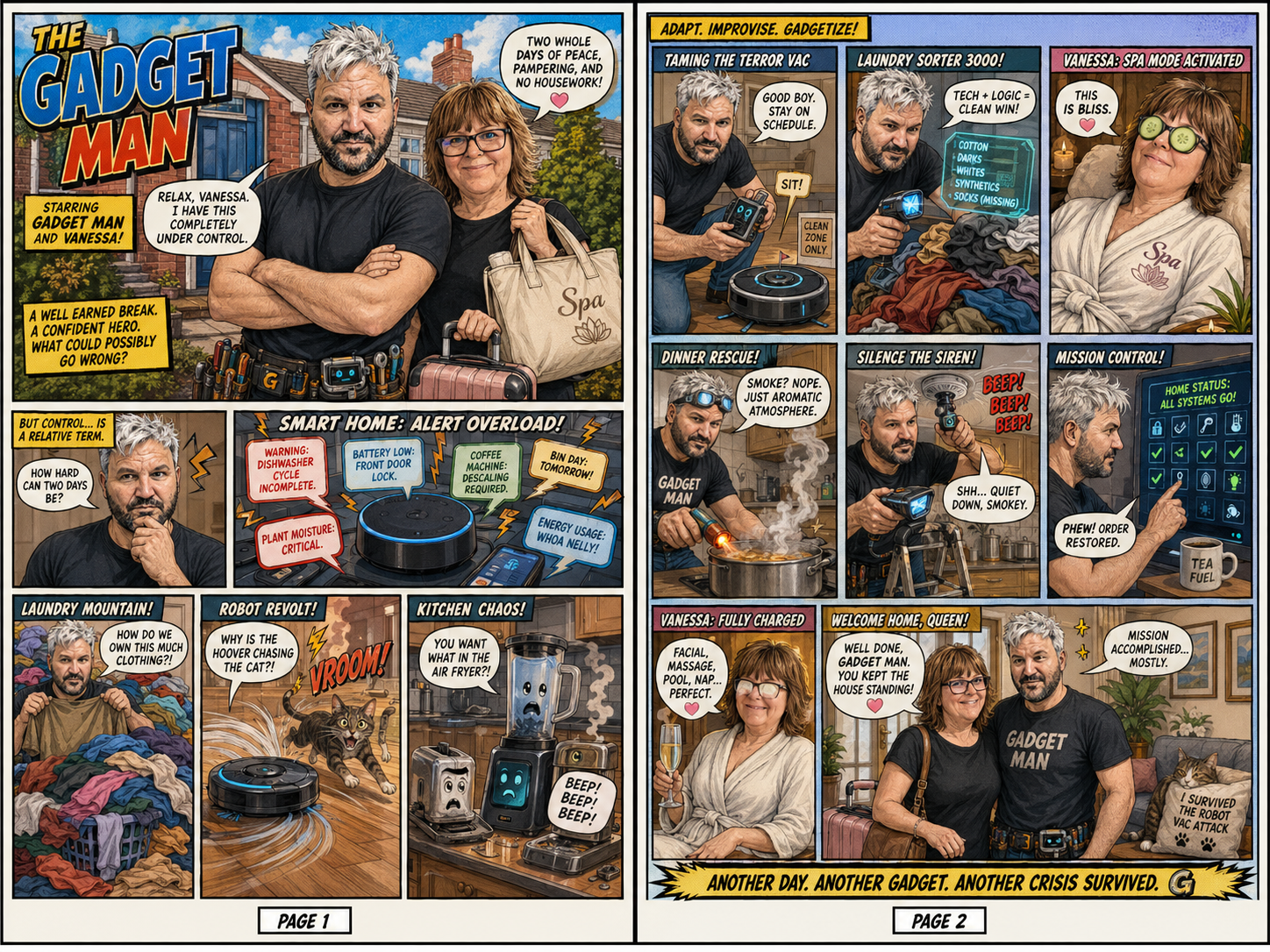
Create another comic featuring Gadget Man looking after the house whilst Vanessa spends two well deserved days at a Spa Retreat
The Gadget Man: Vanessa goes to the Spa
This produced a domestic disaster story full of smart home alerts, robot vacuums, laundry mountains, kitchen chaos and Gadget Man attempting to maintain order while Vanessa relaxed in peace. In other words, science fiction with a suspicious amount of truth in it.
Finally, I went bigger. Much bigger.
create another comic book featuring Gadget Man. This time he goes to the ISS to correct it’s orbit
The Gadget Man Saves the ISS
Yes, The Gadget Man went to space. The International Space Station had an orbital problem, and naturally the only person qualified to give it “a little nudge” was a man with a tool belt, a mug of tea, and an alarming level of confidence.
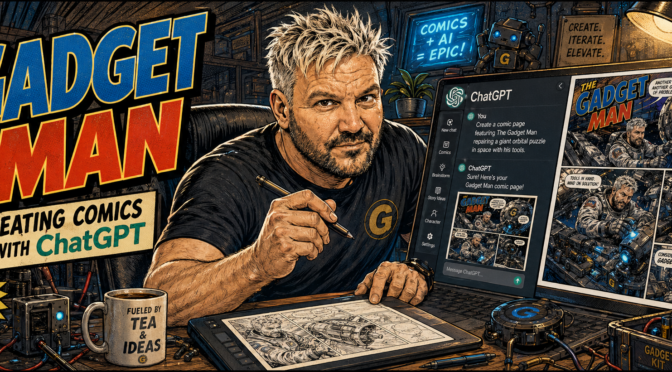
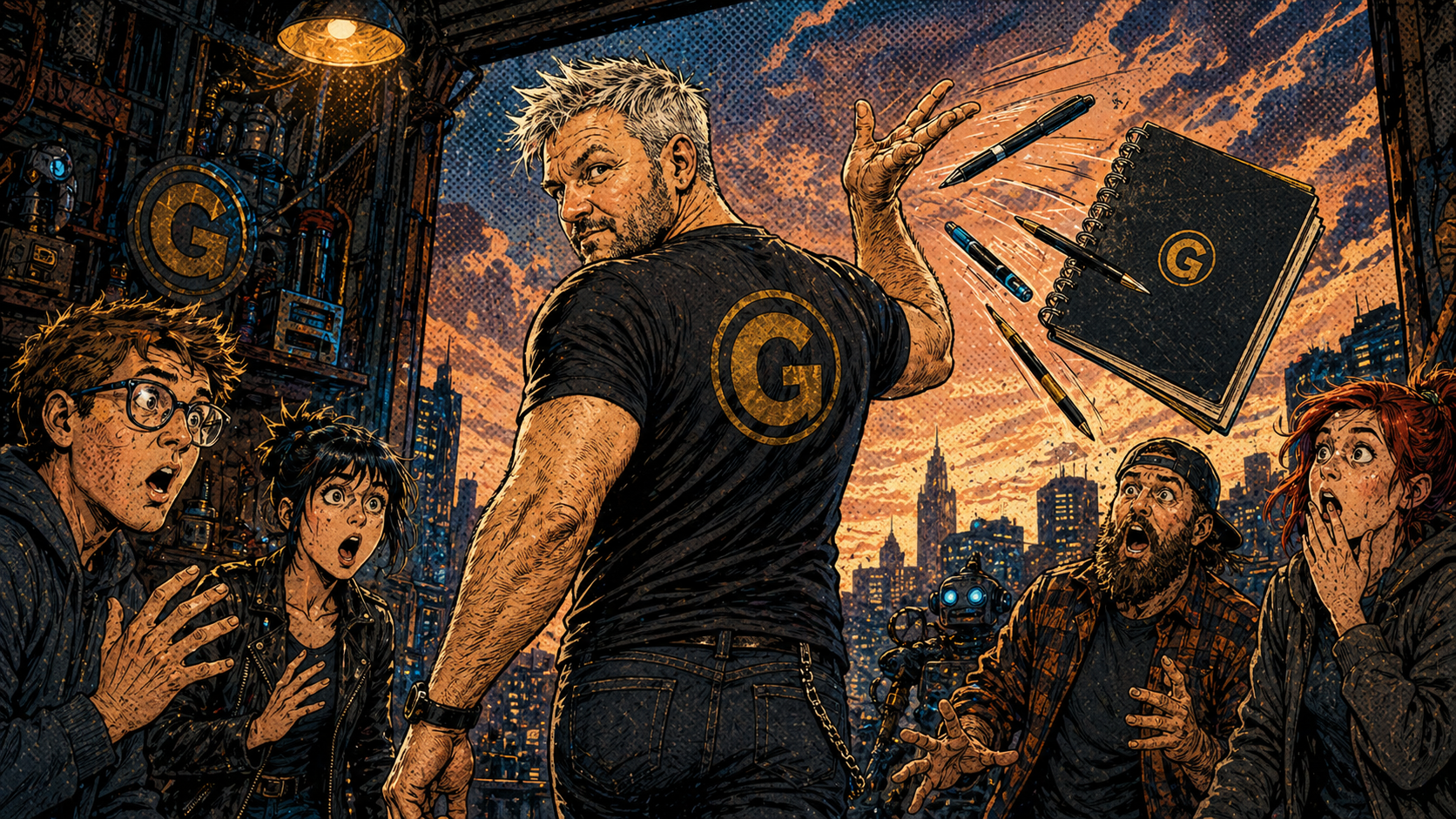
To finish the project, I also created a header image for this very article:
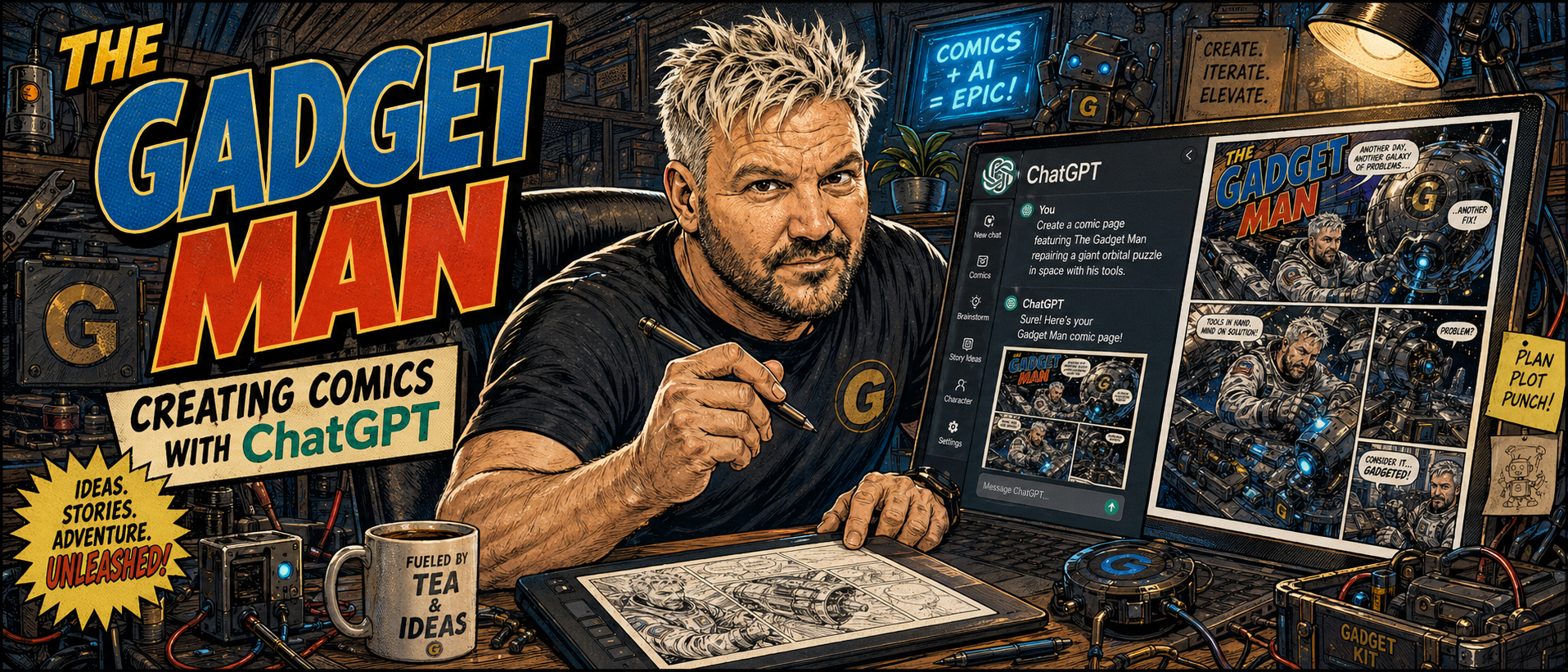
create a header image in the same style showing The Gadget Man creating the comic using ChatGPT
I created my own awesome comic strip using ChatGPT
That image showed The Gadget Man at his desk, creating comics using ChatGPT, surrounded by gadgets, screens, sketches, tools and the usual creative chaos. It perfectly captured what this whole experiment was about.
Why This Is Possible Now
What makes this so interesting is not simply that ChatGPT can generate an image. Image generators have existed for a while. The difference now is the conversational workflow.
OpenAI describes ChatGPT Images as a tool that can create new images and edit existing ones directly inside ChatGPT. You can ask for an image in plain English, refine it, adjust the composition, and explore new visual directions without needing to start from scratch each time. OpenAI also notes that recent image generation models are designed to follow prompts more accurately, render text more effectively, and use chat context, including uploaded images, as visual inspiration
That last point is important. I was not typing a technical command into a complicated art package. I was having a conversation. I could say “make this a two-page American-style comic strip”, then “change that wording”, then “now do one in Scotland”, then “now add Vanessa”, and ChatGPT understood the creative thread.
It feels less like using software and more like working with an incredibly fast illustrator, layout artist, letterer and visual brainstorming partner, all rolled into one.
The Magic Is in the Iteration
The real power here is not the first image. It is the second, third, fourth and fifth version.
Traditional creative work often involves a long gap between idea and result. You sketch, brief, wait, revise, wait again, make changes, and eventually arrive at something close to what you imagined.
With ChatGPT, the loop is much shorter. You can create a concept, respond to it, correct it, extend it, and build a whole fictional world in minutes. OpenAI’s own guidance highlights this ability to generate and refine images using clear prompts, request variations, adjust composition or size, and produce polished visuals quickly.
For someone like me, with a head full of odd ideas, half-remembered pop culture references, gadgets, stories, jokes, and technical rabbit holes, this is incredibly powerful.
I do not need to stop at “Wouldn’t it be funny if…”
I can actually see it.
What This Means for Artists
Now, this is where things become more complicated.
As exciting as all this is, it also raises serious questions for artists, illustrators, designers and the wider creative industry.
On one hand, tools like ChatGPT could be hugely empowering. They allow people who cannot draw to visualise ideas. They help writers create concept art. They help small businesses produce mock-ups, campaign ideas, storyboards, social media graphics and playful content that might previously have been out of reach.
For independent creators, this could be a revolution. A blogger can create a comic strip. A podcaster can build a visual world. A small business can prototype adverts. A game designer can test character ideas. A 3D printing enthusiast can imagine packaging, instructions, posters, comics and product artwork without needing a full design department.
But there is another side.
Professional artists have every right to be concerned. If companies decide to replace commissioned artwork with AI-generated images purely to save money, that has consequences. If the visual language of artists is absorbed, imitated and mass-produced without care, credit or fair compensation, that is not something we should casually ignore.
There is also the question of value. Art is not just the finished image. It is experience, taste, judgement, intention and human interpretation. A good artist does not simply “make a picture”. They solve visual problems. They understand emotion, framing, symbolism, storytelling and audience. AI can generate astonishing things, but it does not live a life. It does not have childhood memories, favourite comics, personal grief, humour, nostalgia or the strange little sparks that make human creativity so fascinating.
A Tool, Not a Replacement for Imagination
The way I see it, ChatGPT does not remove the need for creativity. It shifts where the creativity happens.
The prompt matters. The idea matters. The direction matters. The ability to look at an image and say “that is nearly right, but the final speech bubble is wrong” matters.
In my Gadget Man comic experiment, ChatGPT created the images, but the idea came from a very human place: my own interests, my humour, my love of gadgets, my fondness for comic book drama, my 3D printing obsession, my VR tinkering, my family life, and my lifelong habit of turning ordinary things into stories.
That is where I think these tools are at their best. Not replacing imagination, but amplifying it.
The Future of Comic Creation?
Will AI-generated comics replace traditional comics? I hope not.
Will they change how people make comics? Almost certainly.
We may see writers using AI to storyboard ideas before handing them to professional artists. We may see artists using AI for rough concepts, layouts, backgrounds or experimentation. We may see hobbyists creating personal comics for fun, families, blogs and social media. We may also see new kinds of hybrid workflows where human creators and AI tools sit side by side.
There will be arguments, and there should be. Creative industries need rules, ethics, transparency and respect for human artists.
But there is also something genuinely wonderful about being able to type a sentence and watch a ridiculous idea become visible.
Final Thoughts
What started as a quick experiment became a whole mini comic universe.
The Gadget Man fought Martians, fixed Scotland’s EV chargers, 3D printed a controller for Elite Dangerous, went on holiday with Vanessa, survived domestic chaos during a spa weekend, corrected the orbit of the ISS, and then sat down to create the comics using ChatGPT.
That is absurd.
It is also brilliant.
For me, this is exactly what technology should do. It should unlock ideas. It should make us laugh. It should help us create things that would otherwise remain trapped in our heads.
And if it occasionally turns “Gadget Man” into “Gadget Giant Man”, well, that is all part of the adventure.
Another day. Another gadget. Another comic created.
Photography feels like one of those hobbies that starts out innocently. You take a few nice sunset shots, maybe a Moody coffee cup or two, and suddenly you’re researching lenses and printers and the wee hours of the morning. If you’re going to indulge, you may as well do it properly, right? Here’s how to lean into your photography hobby without losing your mind or your savings.
Slow down and actually see.
Before you buy anything new, work on your eye. Great photography isn’t about having the fanciest gear, but about noticing light, shadow, colour and moment and how they all work together. Start by paying attention to how sunlight hits buildings at different times of the day and watch how people move in a crowd. Observe reflections in puddles. A simple exercise for this one is to pick a subject and photograph it 10 different ways. Change your angle, distance and framing and you’ll be surprised how creative you can get without spending anything.
Experiment with different formats.
If you’ve only ever shot on your phone, try a dedicated camera. If you’ve only shot digital, consider experimenting with film. There’s something magical about loading a roll of 35mm colour film and not knowing exactly how each shot will turn out. It forces you to slow down and think before you press the shutter, but don’t make it a personality trait. Film, digital, mirrorless, DSLR. Each has its strengths and the point is to explore, not to start debates on the Internet.
Learn the basics.
It sounds obvious, but indulging in photography gets way more fun when you understand the core trio Aperture, shutter speed, and ISO. They’re not scary. Aperture controls the depth of the field, shutter speed controls the motion, and ISO controls the light sensitivity. That’s all you need to know. When you understand how they work together, you stop guessing and start creating intentionally. If you want creamy, blurry backgrounds, widen that aperture. If you want to freeze the action, crank up the shutter speed. Suddenly you’re not just taking pictures, you’re making them.
Set mini projects.
Instead of wandering aimlessly with your camera, give yourself themes, A red objects project, a stranger’s hand series, a rainy day reflections collection projects Give your hobby direction and purpose. They also make editing much easier because you’re curating with a goal in mind. Plus, it feels incredibly satisfying to complete something, even if it’s just a 12 photo mini series.
Upgrade smart, not impulsively.
Gear is fun. New lenses are shiny, but upgrades should solve a problem, not just scratch and itch. Ask yourself whether you’re limited by your current equipment or whether you’re just bored. Often improving your skills will do more for your photos than buying a new lens. Invest in education before equipment, because a good course or workshop can level you up faster than new things.
This is supposed to be a fun hobby. It’s part art, part technology, part treasure hunt. So dive in and experiment boldly.
There is a quiet shift happening in the world of toys. Away from noisy plastics and fixed instructions, and towards objects that invite imagination, patience and pride of place. The TRIDO Laguna range sits firmly in that space, and it is easy to see why it is gaining so much attention.
Created by TRIDO, Laguna is a premium magnetic construction set designed not around winning or finishing, but around thinking, building and displaying. It is less about knock-it-down play and more about creating something worth keeping on the shelf.
Why This Minimalist Magnetic Toy Is Taking Over Creative Play
Built for Expression, Not Instructions
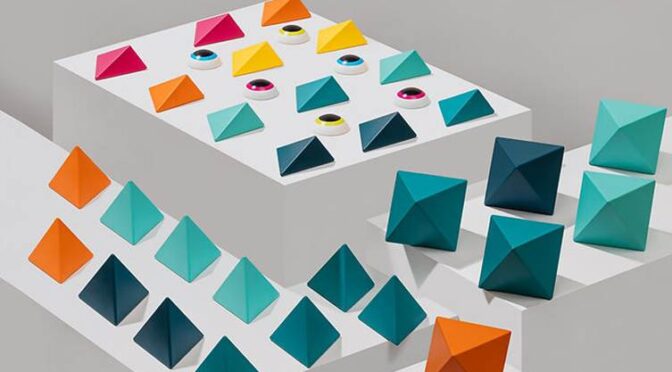
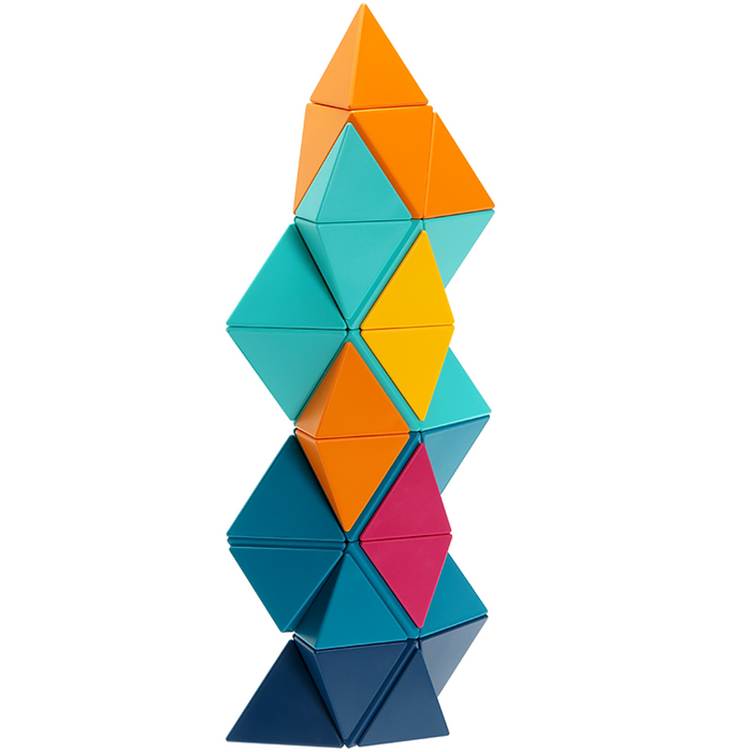
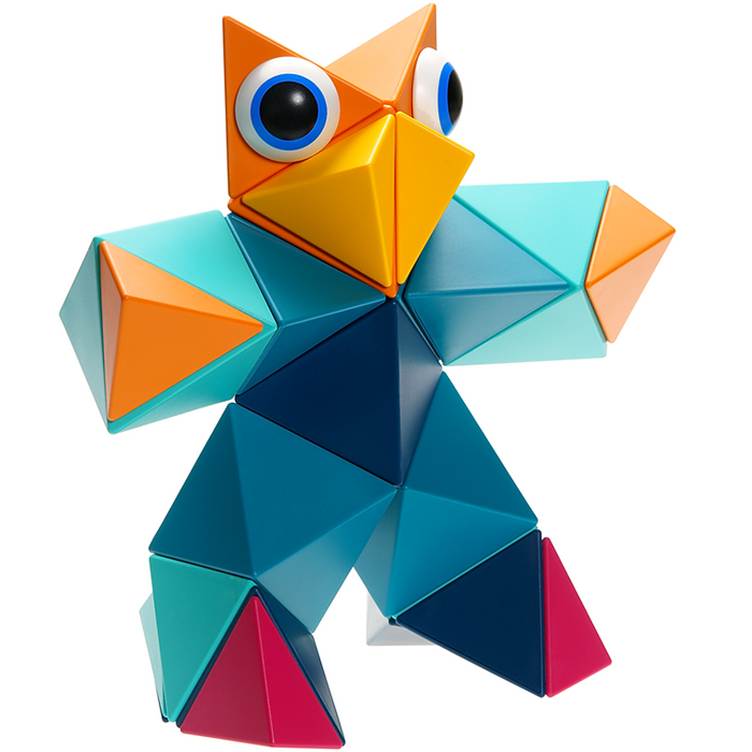
At the heart of every Laguna set are TRIDO’s distinctive geometric forms. Octahedrons, tetrahedrons and half-tetrahedrons, each engineered to connect on every side. Strong internal magnets mean pieces snap together effortlessly, giving complete freedom to explore form, balance and symmetry without frustration.
There are no instructions to follow and no final model to replicate. Instead, children are encouraged to experiment, rebuild and refine. It turns play into a creative process rather than a task, which is a refreshing change from many construction toys that funnel children towards a single outcome.
Why This Minimalist Magnetic Toy Is Taking Over Creative Play
A Toy That Feels at Home in Grown-Up Spaces
One of the standout aspects of the Laguna range is its visual design. The calm, modern colourway feels deliberate and considered, making it something that happily lives in a family space rather than being hidden away in a toy box.
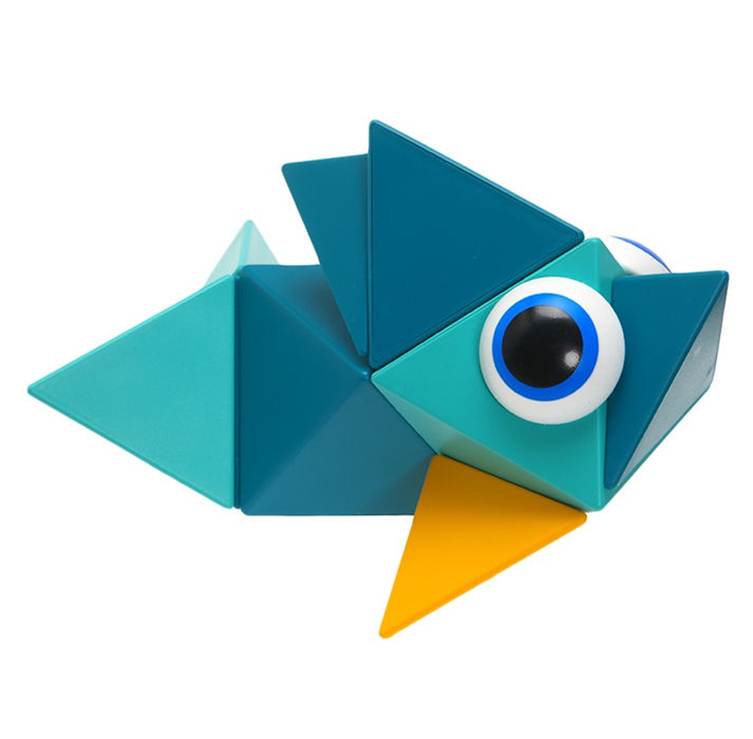
This is a magnetic construction toy that invites display. Finished builds feel sculptural, and with the included magnetic eyes, creations can become expressive characters as well as abstract forms. It blurs the line between toy, art object and learning tool in a way that feels genuinely thoughtful.
Why This Minimalist Magnetic Toy Is Taking Over Creative Play
Open-Ended Play With Real Benefits
Laguna is designed for children aged three and up, and the benefits go well beyond entertainment. Open-ended play supports imagination, confidence and problem-solving, while naturally introducing early STEM concepts such as geometry and spatial awareness.
Fine motor skills are developed through precise placement and balance, and the lack of rules makes it equally suitable for independent play or collaborative family sessions. It is also completely screen free, which feels increasingly important in modern homes.
All pieces are made from durable, non-toxic ABS plastic with smooth, rounded edges, designed to last through years of use without losing their appeal.
Three Sizes to Grow With Your Creativity
The Laguna range is available in three sizes, making it easy to choose a set that fits both budget and ambition.
Laguna Small
A compact introduction to TRIDO, ideal for younger children, travel or gift giving.
12 pieces. £44.90
Laguna Medium
More pieces allow for more complex designs, characters and storytelling.
24 pieces. £79.90
Laguna Large
The most expansive set, perfect for collaborative play, classrooms or long creative sessions.
34 pieces. £129.00
Each size builds on the same core idea, meaning sets can be combined as creativity grows.
More Than a Magnetic Construction Set
TRIDO Laguna shows that magnetic construction toys do not have to be about speed or destruction. By focusing on art, imagination and thoughtful design, it creates something that grows with the child and continues to feel relevant well beyond the early years.
Laguna Small, Medium and Large are available now from trido.uk. For families looking for a toy that encourages creativity without noise or screens, this minimalist magnetic set makes a very strong case for itself.
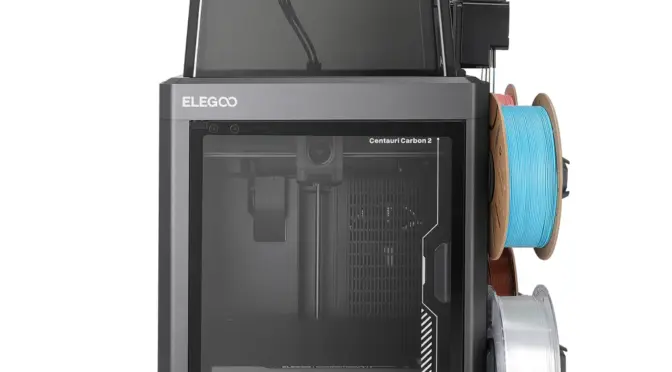
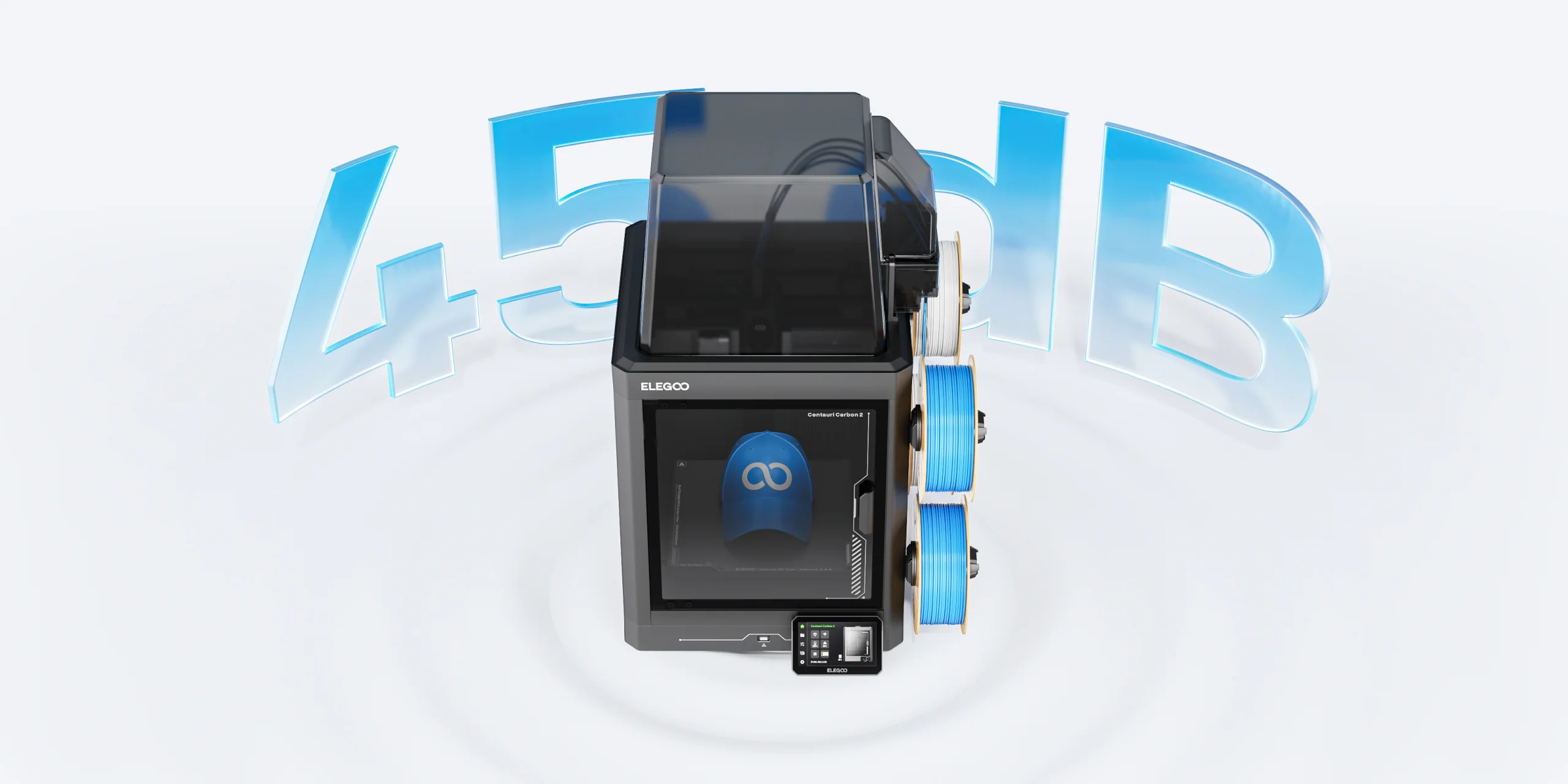
There’s a smell that stays with me from my earliest forays into additive fabrication — the warm tang of PLA as fresh layers nestle into place under a glowing nozzle, the low hum of stepper motors dancing through another night of prints in my workshop. Over the years I’ve watched the 3D printing landscape evolve, machines becoming faster, more capable and kinder to the budding maker. Today there’s a fresh breeze on the horizon as Elegoo lifts the curtain on its latest creations: the eagerly anticipated Centauri Carbon 2 and its fully fledged sibling, the Centauri Carbon 2 Combo.
Elegoo Unveils a New Chapter in Desktop 3D Printing with the Centauri Carbon 2 Series
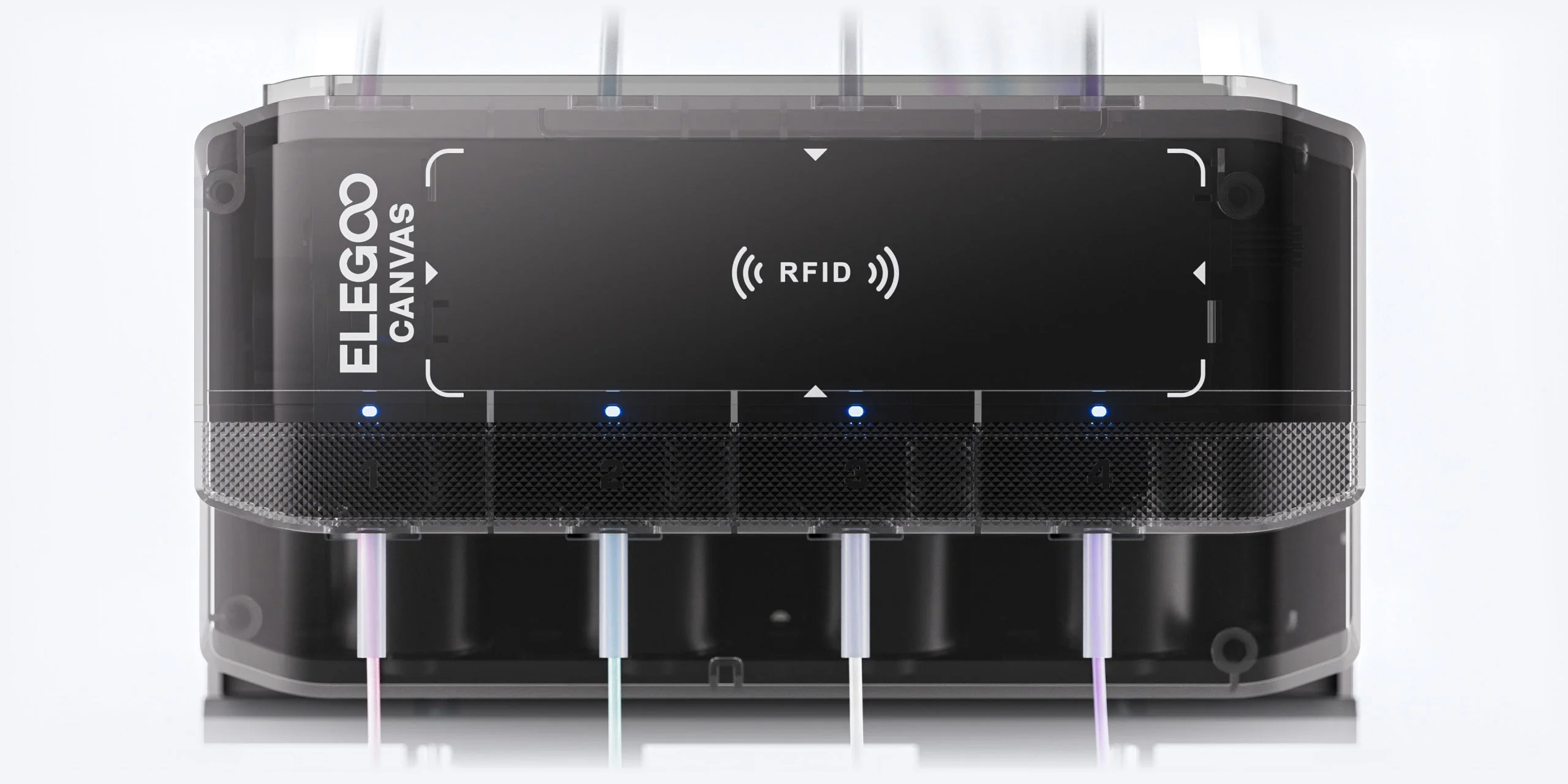
Traditionally, multicolour 3D printing has been a pursuit laced with complexity. Intricate purge towers, multiple extruders or tool-changing heads are often the price of entry. Elegoo’s new Carbon 2 family promises to change that narrative. With a CANVAS multicolour system that handles up to four filaments and even lets you switch colours mid-print, the Combo aims to bring vibrant, multi-hued prints to makers who might otherwise shy away from such workflows.
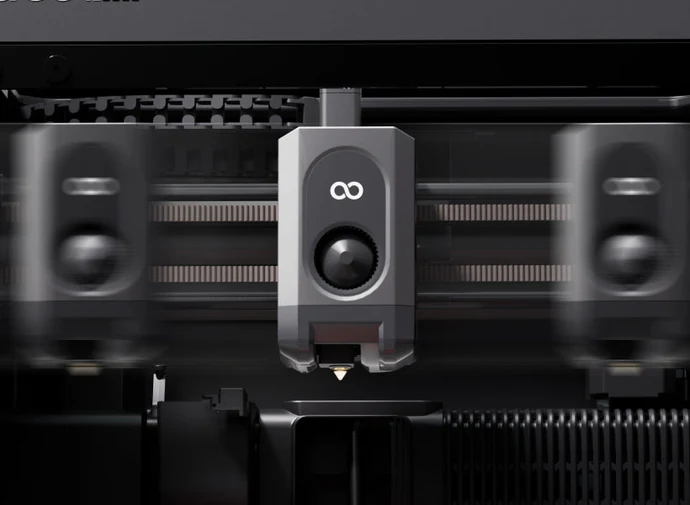
The heart of both machines remains faithful to what made the original Carbon such a joy: a CoreXY motion platform that sings with precision and speed, and a 256 × 256 × 256 mm build area that gives you room to dream — be it scenic terrain for your table-top battles or functional parts for your next project.
For those who relish material versatility, the Carbon 2 and Combo step things up with a 350 °C hardened steel nozzle, letting you venture beyond PLA into PETG, TPU and engineering-grade filaments that demand a bit more heat. Auto-leveling and intelligent sensor systems help reduce the faff of setup, giving you more time at the keyboard tweaking slicer settings or sipping tea as layers stack into life.
Watching a four-colour print unfold is something special. The transparent glass door on the Combo lets you glimpse that slow symphony of motion as filament dancers on their own tiny stages blend and separate to form gradients and patterns that used to be the exclusive domain of much larger machines.
From a personal perspective, the arrival of these printers feels like watching a familiar friend return from an extended journey having brought back new skills and stories. There’s a tangible sense that desktop additive fabrication is growing up, without leaving the joy of hands-on making behind.
Both models are now available direct from Elegoo’s UK store and global channels, with the Combo bringing multicolour creativity within reach of hobbyists, educators and professionals alike. Prices start at an accessible point for what is fundamentally a step change in capability, and if you’ve ever found yourself yearning for more expressive prints without wanting to wrestle with complexity, these new Carbon 2 machines may be the ticket.
As with all tools of creation, the true magic isn’t in the spec sheet or glossy launch photos — it’s in the quiet hours spent watching your imagination take shape, layer by patient layer.
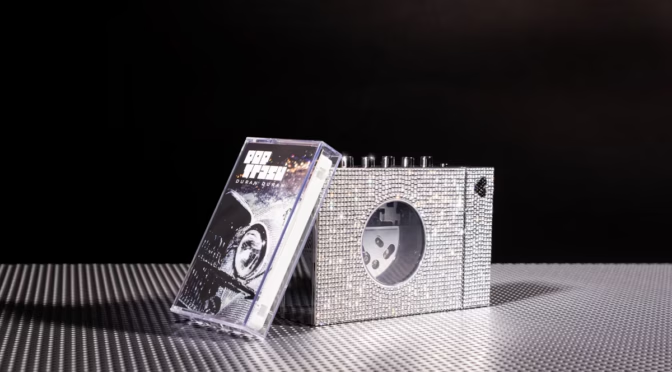
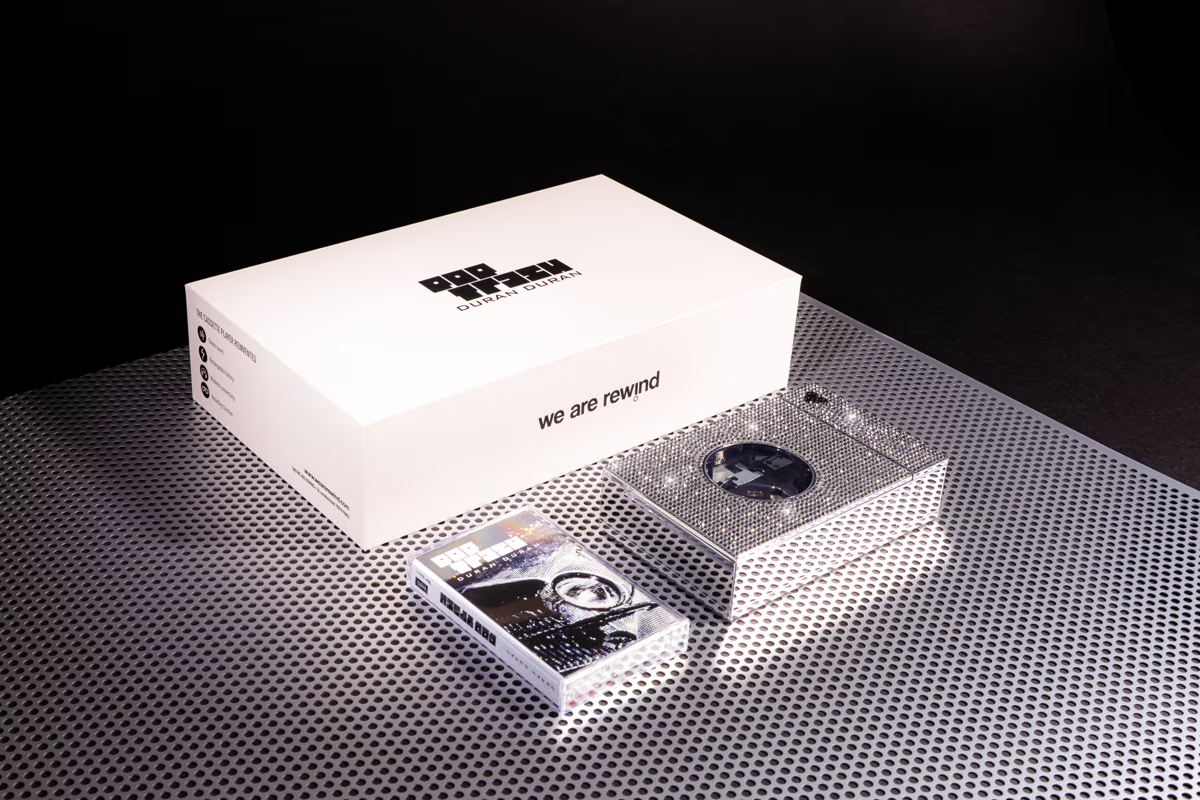
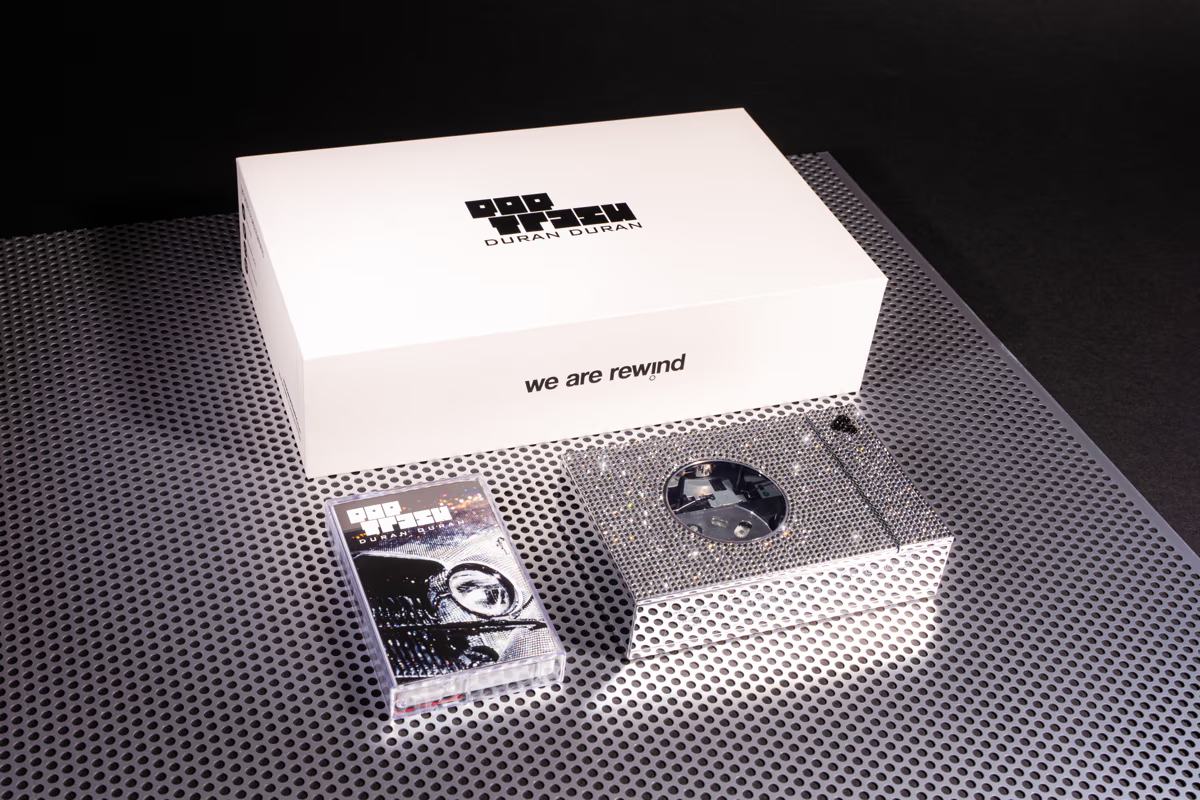
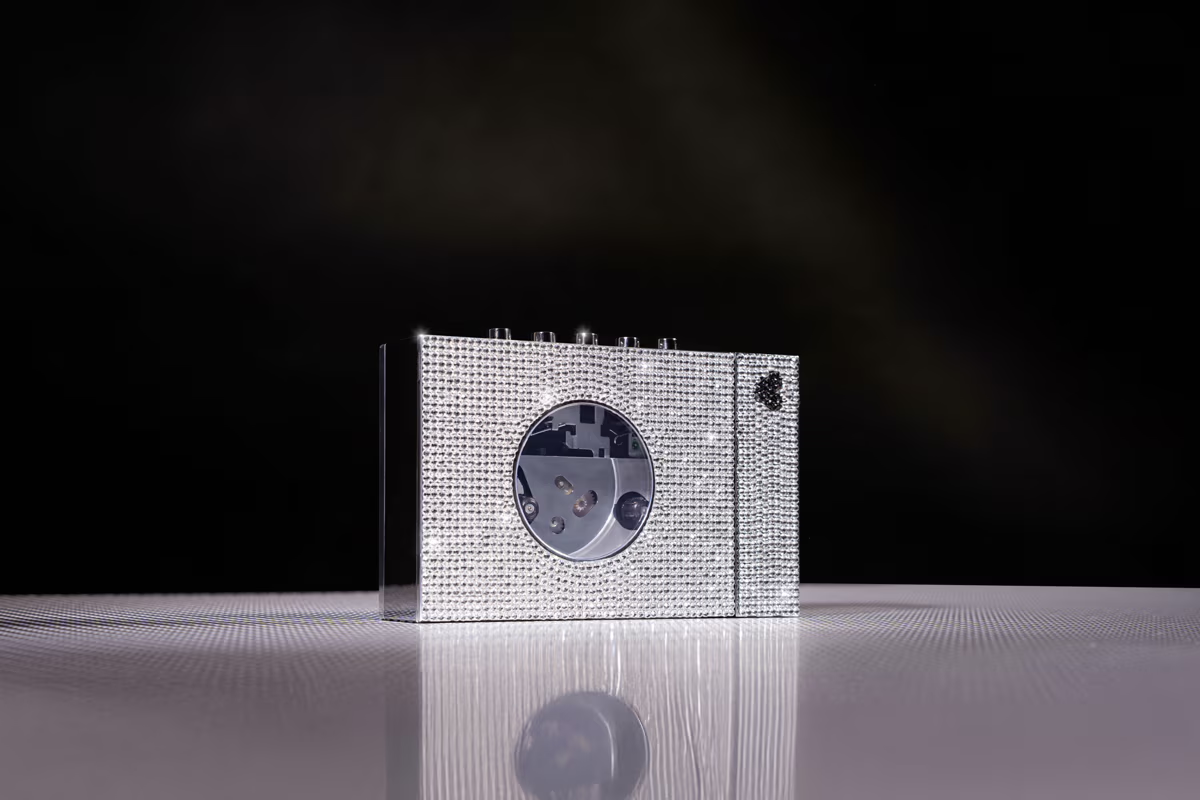
Every so often a product lands on my desk that pulls me straight back to the excitement of discovering music on a physical format. This week it is the WE-001 Duran Duran Special Edition from We Are Rewind, a modern portable cassette player created with the band’s full blessing and visual flair.
Duran Duran teams up with We Are Rewind for a gorgeous new cassette player
If you grew up with cassettes, you will remember the thrill of flipping an album over, hearing the clunk of the keys, and watching the spools spin. This special edition brings all of that back with a welcome dose of modern engineering. Even better, it arrives with a fresh cassette reissue of Pop Trash, complete with those familiar metallic and neon touches that have always followed Duran Duran through their career.
Duran Duran teams up with We Are Rewind for a gorgeous new cassette player
A cassette player built for the present day
The WE-001 looks and feels like something from the band’s own design board. The aluminium shell has a satisfyingly weighty feel, the buttons have a smooth mechanical action, and the audio side of things has been taken very seriously. A dedicated headphone amplifier gives the tapes far more presence and clarity than the portable players many of us owned the first time round.
It connects to wireless headphones and speakers thanks to Bluetooth and charges by USB C, giving around twelve hours of playback. It even records. Plug in a powered mic or use the line input and you can capture your own mixtapes in proper analogue fashion.
For anyone who wants the full nostalgic experience, a pencil is included in the box. You know exactly what that is for.
Duran Duran teams up with We Are Rewind for a gorgeous new cassette player
A collaboration with real heart
The band’s creative art director Andrew Day summed up the project perfectly. When Pop Trash came out, streaming barely existed. Two and a half decades later, celebrating the album with a beautifully designed cassette player feels surprisingly right. He described the finished product as “more Pop and less Trash”, which is a very neat way of putting it.
We Are Rewind founder Romain Boudruche added that Duran Duran’s long history with physical media made the project a natural fit. At a time when music discovery is often reduced to an endless scroll of digital tracks, it is refreshing to see an artist celebrate the value of something you can actually hold.
Interestingly, UK cassette sales rose by more than two hundred percent in the first quarter of this year, so the timing could not be better.
Duran Duran teams up with We Are Rewind for a gorgeous new cassette player
Price and availability
The WE-001 Duran Duran Special Edition is priced at £149 and is available directly from We Are Rewind. If you are a fan of the band, a lover of physical media, or simply someone who enjoys a beautifully built gadget, this is well worth a look.
From Pixels to Platinum: When AI Designed My New Hairstyle
There’s something oddly thrilling about letting technology take creative control. I’ve spent years testing gadgets, reviewing innovations, and exploring the limits of artificial intelligence — but this time, I let the tech get a little more personal.
A few weeks ago, I asked Midjourney — my go-to AI image generator — a simple question: “What would The Gadget Man look like with a fresh new hairstyle?”
The result was, quite frankly, impressive. The AI produced a series of strikingly realistic portraits featuring a textured, platinum-blonde cut that looked part cyberpunk, part 21st-century rockstar. I loved it. The catch? It wasn’t real… yet.
The AI Concept
Armed with a few reference prompts and an experimental mindset, I spent an evening fine-tuning the digital version of myself. Midjourney, in its infinite wisdom, decided that bleached hair and choppy texture were the future of The Gadget Man brand.
At first, it was just a bit of fun. But the more I looked at the AI render, the more I realised — this was something I could actually pull off. So, I decided to make it happen.
Turning AI Into Reality
I booked an appointment with my stylist and brought along the AI images on my phone — full 360-degree green-screen shots of the “digital me.” It’s not every day you walk into a salon and say, “I’d like this look, please — it was designed by artificial intelligence.”
To their credit, they didn’t flinch. Instead, we broke it down into human-achievable steps:
The Cut: Short, faded sides with plenty of texture on top.
The Style: Tousled and natural, with enough lift to keep things casual.
The Colour: A cool, silver-white platinum tone — bold but clean.
The Result
Wait and see!!!
AI as a Creative Partner
This little experiment isn’t just about hair — it’s about what happens when AI moves from the screen into the real world. Whether it’s designing products, testing ideas, or in this case, reinventing a hairstyle, AI has become a kind of creative partner.
From Pixels to Platinum: When AI Designed My New Hairstyle
From Pixels to Platinum: When AI Designed My New Hairstyle
Coming soon: a behind-the-scenes video of the full transformation — from my original hairstyle to the final platinum reveal. Keep an eye on The Gadget Man socials for the big unveil.
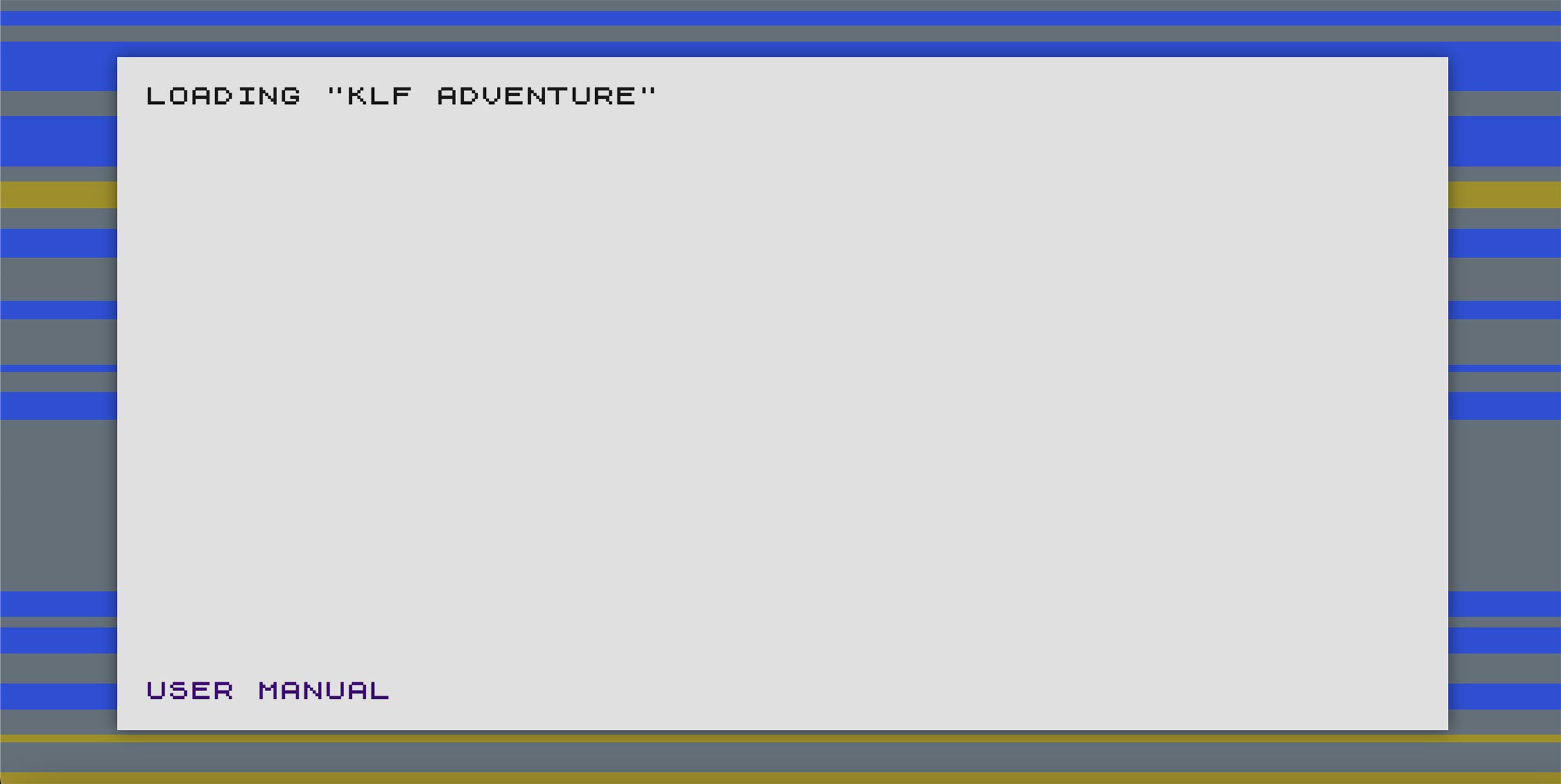
If you grew up in the 1980s, you’ll remember that unmistakable feeling of loading a game on your ZX Spectrum, Commodore 64, or BBC Micro. The hypnotic screech of the cassette loading, the colour bars flickering on screen, and that eternal moment of suspense — would it load this time, or had the tape stretched just enough to doom you to a R Tape Loading Error?
Loading the KLF Adventure
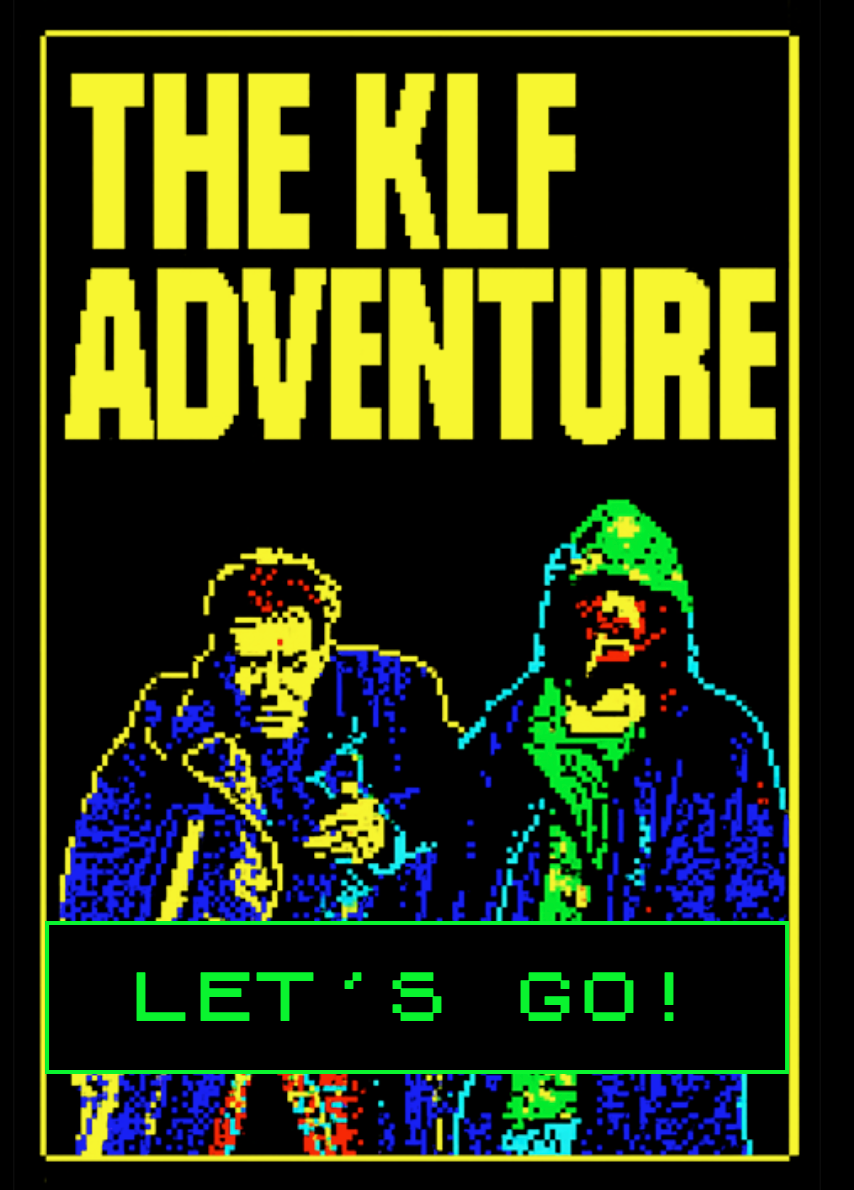
Fast forward to the 2020s and, somewhere between my love of retro computing, The KLF’s music, and an itch to make something creative, I decided: I’m going to write a text adventure game. Not just any text adventure, but one dripping with late-night 80s energy, pop culture references, and a healthy dose of KLF mythology.
The KLF Adventure Begins
It started innocently enough — I wanted to relive the magic of the Scott Adams-style adventures I played as a kid. Those games weren’t about graphics; they were about imagination. Every location, every object, every strange instruction was something you had to picture in your head. And if you were a bit obsessive (guilty), you’d spend hours mapping every room on graph paper.
Finding the Right Ingredients
The KLF have always been masters of mystery — their story threads through pop hits, art projects, strange performances, and burning a million pounds on a remote Scottish island. That mix of chaos, humour, and myth-making was perfect for a game world.
I started building a map: fictional places merged with real ones from KLF history. Bold Street in Liverpool. The Cavern Club in the 1960s. A boathouse with a roaring fire. And, naturally, Trancentral — the spiritual HQ of The KLF. I even included surreal locations like the “Little Fluffy Cloud Factory” and “Maze of Caves” for that dreamlike adventure feel.
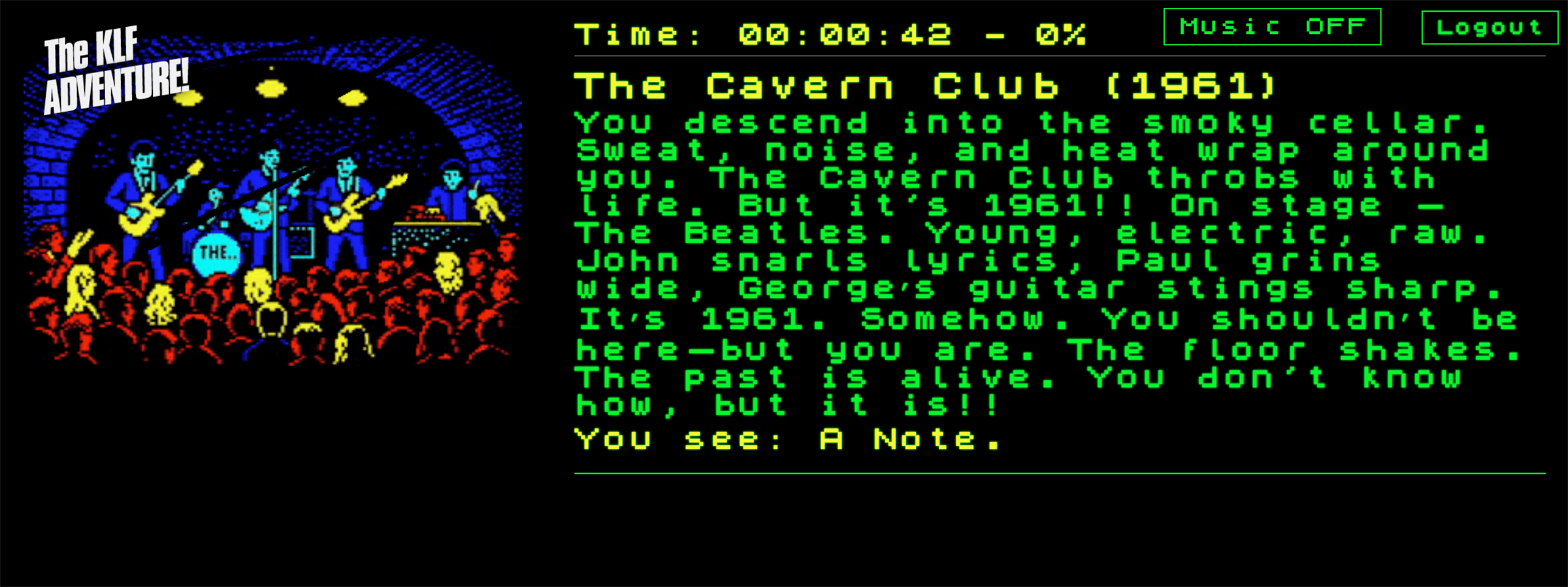
Travel Back in Time to The Cavern Club in 1961
The NPCs? Oh, they had to be special. Sigmund Freud gives cryptic instructions. Ivan Pavlov demands you “Lie Down” before telling you to “Keep Calm”. Even Denzil the Baker makes an appearance, along with other nods that KLF fans will appreciate.
Building It Like It’s 1984 — With a 2025 Twist
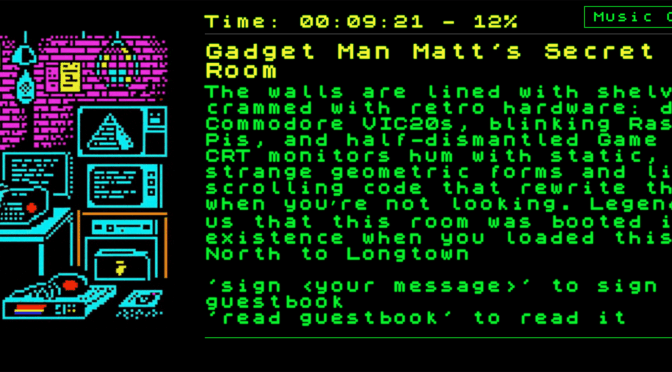
I didn’t just want to write about the 80s — I wanted it to feel like the 80s. So I coded the game in a modern environment but kept the old-school constraints: short descriptions, tight vocabulary, and a parser that understands commands like GO NORTH, GET TICKET, or SAY CHILLOUT.
Don’t get stuck in the record industry execs meeting!!!
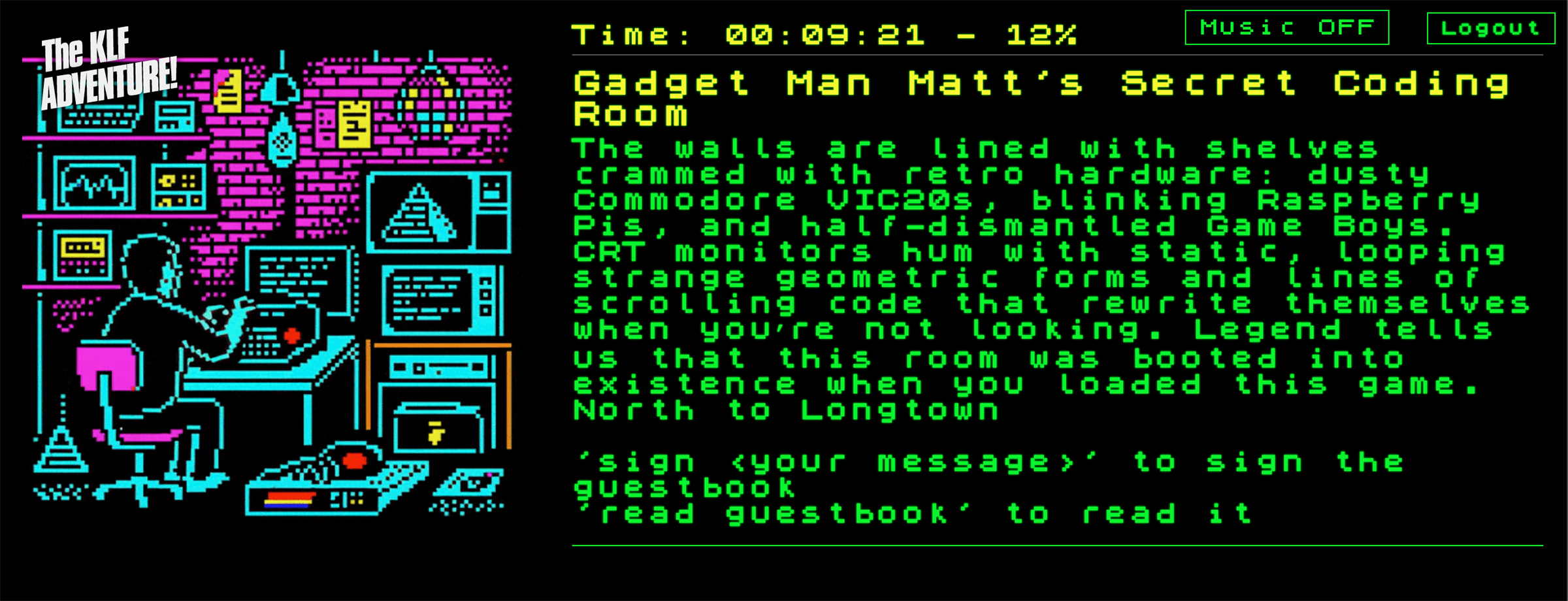
But here’s the twist — I didn’t do it alone. My coding partners were Gemini CLI and OpenAI Codex, coding with me directly in my command line. The imagery was created using ChatGPT, with animations by Midjourney. The music came courtesy of Suno, while the sound effects were crafted by ElevenLabs. Together, these AI tools became my team of coders, designers, composers, and consultants, enabling me to bring this game to life in a way that would have been impossible on my own.
And because I couldn’t resist going full retro, I’ve also been experimenting with encoding the game into audio so it can be loaded into a ZX Spectrum emulator straight from a physical cassette tape. Because why not?
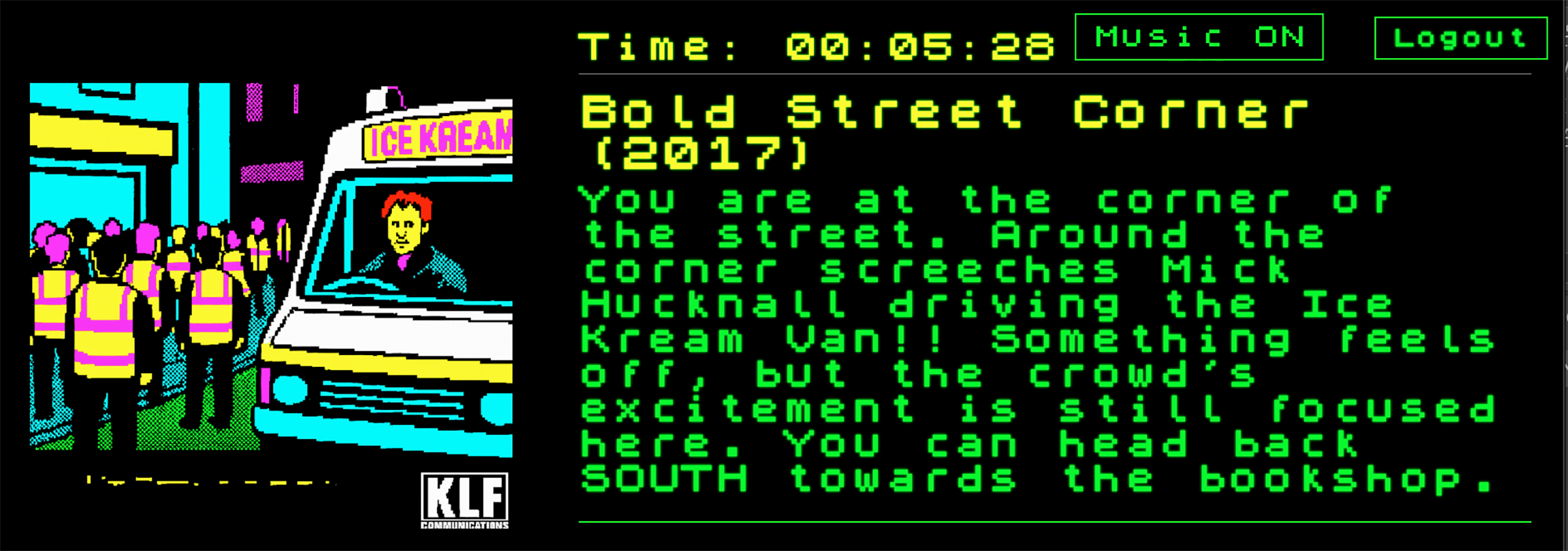
Timeslips abound in Bold Street with alternate timelines showing Mick Hucknall driving the Ice Kream Van!
The Result
What emerged is The KLF Adventure — part game, part interactive art piece, and part love letter to the days when imagination did the heavy lifting. It’s an 80s-inspired world you can explore, puzzle over, and get gloriously lost in. It rewards curiosity, nods knowingly to KLF lore, and might just make you say “What Time Is Love?” at least once.
For me, this wasn’t just a coding project. It was a way of reconnecting with that kid who sat cross-legged in front of a rubber-keyed Spectrum, waiting for the next adventure to begin. Only now, I’m the one writing the adventure — with a 21st-century team of AIs by my side.
You can even find me in the game… But where?
If you fancy diving in, the game is live at klfgame.co.uk. Just remember: keep your wits about you, don’t trust every whisper, and above all… CHILLOUT. Twice.
Do you love gaming but now find yourself wishing that it could be more fun? You are not alone. It is a situation that many people find themselves in. This is despite the fact that graphics and tech capabilities are greater than ever.
So, how can you restore the fun factor to your gaming activities? Here’s all you need to know.
Win Money
If you play modern titles, you’ll be familiar with in-game purchases. Players often spend more money on them than they do on the game itself. However, you can nowgrab free spins on registration at casino and bingo sites. Rather than paying out more money to play a game you’ve already paid for, you could win money.
The financial rewards are great. In truth, though, the thrill of winning gives you a dopamine hit that most video games no longer do. Another way to earn money from gaming is to enter tournaments or play eSports.
Play Retro Games
When playing today’s games, it feels like all features are aimed at microtransactions and long-term investments. Back in the day, games had a “pick up and play” quality. Retro games ranging from Pac-Man topopular platformers of the 80s and 90s are far simpler. You can play for an hour and then not worry about them.
You don’t need to dedicate half of your life to the game. You simply have some fun for the duration of play before doing something else. This more balanced approach to gaming will enhance your life in and out of those activities.
Focus On The Fun
Whether playing retro games or modern titles, the focus should be on fun. There’s no need to worry about completing a game to 100% of doing things a certain way. It’s meant to be a recreational activity. So, don’t be afraid to embracecheats or skip sections that you don’t want to do. The aim is to have fun.
Similarly, there should be no pressure to keep playing a game beyond the point you want. If you’ve completed the main story and want to try another title, go for it. This has to be a smarter move than boring yourself just to keep up with other gamers.
Invite Friends Over
When you think about all the fun you had playing games in yesteryear, it’s not just about the great titles. In truth, the company you shared those moments with was an equally key factor. While jumping in a Call of Duty online lobby is great, there’s nothing like being in the same room as friends. Do not ignore it.
It’s not something you’ll do as often as you did in your youth. Still, inviting pals over to play games and havesome snacks is great fun. And it’s certainly cheaper than a night out on the town. Embrace it.
Combine Gaming With Another Love
The one thing that we do love about modern gaming is that it opens the door to doing things your way. Therefore, you may find that streaming or content creation is the perfect way to rediscover your love of gaming. Not least because it encourages you to join the community and find people with similar interests.
Or your love of gaming could be combined with creative writing, films, or other entertainment. The options are endless. And if you can alter your approach to rediscover a love of gaming, it has to be worthwhile.
Sometimes, you have an idea so out there, you just have to run with it. That’s exactly what happened with my latest experiment—writing, editing, and publishing a book in under 24 hours. Yes, you read that right: Gizmos and Gadgets in Cockney by Matt Porter went from a concept swirling in my head to a fully published book faster than you can say “Bob’s your uncle.” Now, before you start expecting War and Peace or something that’ll win a Pulitzer, let me set the record straight: this book is meant to be a laugh. So, get that tongue planted firmly in your cheek and read on!
A Silly Idea Turned Into Reality
I’ve always loved Cockney rhyming slang. There’s something so playful and creative about it, and being a tech nerd, I thought, “Why not merge the two?” With that spark of inspiration and a challenge I set for myself, the idea was born: a humorous book that reimagines the world of tech with Cockney flair. Gizmos and Gadgets in Cockney would be a light, fun read for anyone who’s ever wondered what you’d call a smartphone (a “dog”) or a smart speaker (a “chirper”) in the East End’s colourful lingo.
But then I upped the stakes: I decided to see if I could write, edit, and publish the whole thing in less than 24 hours. Why? Because life’s too short not to try ridiculous things.
You can buy and read Gizmos and Gadgets in Cockney right now and very soon in physical paperback at https://amzn.to/40QzUnI
Don’t Expect High Art—This Is Pure, Unfiltered Fun
Let’s be clear: you’re not about to read a literary masterpiece. This isn’t War and Peace or The Great Gatsby. It’s more like a mate telling you stories down the pub, but instead of talking about football, I’m rambling about gadgets and tech in Cockney slang. This book was written fast, with lots of tea, laughter, and a “who-cares-if-it’s-not-perfect” attitude. If you’re looking for a deep exploration of tech or a polished manual, you might be barking up the wrong tree.
But if you’re after a book that doesn’t take itself seriously, one that pokes fun at tech jargon while teaching you some cheeky Cockney phrases, this might be your cup of rosie-lee.
The Writing Process: Fuelled by Tea and Banter
Once the idea hit me, I got to work with one goal: get it done before the clock ran out. I wrote chapter after chapter, each filled with witty slang, light-hearted anecdotes, and ridiculous comparisons between tech gadgets and everyday London life. Need to know why Wi-Fi is like a “Skyhook” or why a computer’s operating system is the “Guv’nor”? I’ve got you covered.
To keep it fun and breezy, I didn’t worry too much about polishing every sentence. It was all about the charm, the humour, and the Cockney twist. The result? A book that feels like a good ol’ natter with a mate—unpolished, maybe a bit rough around the edges, but full of character.
Editing and Formatting: It’s Good Enough
I gave the manuscript a quick once-over (yes, quick), fixing the obvious typos and ensuring the Cockney slang made sense. But did I spend hours agonising over sentence structure or tweaking every paragraph? Absolutely not. This was about speed and spirit, not perfection. Think of it like street food: messy, but oh-so-satisfying.
I also threw in a handy Cockney slang glossary at the end, so you can brush up on your rhyming slang while giggling at the tech comparisons.
The Cover: Simple, Bold, and Straight to the Point
When you’ve only got 24 hours, you don’t spend ages designing a cover that rivals The Da Vinci Code. I kept it simple and bold, with the title front and centre: Gizmos and Gadgets in Cockney by Matt Porter. The cover hints at the humour inside without giving too much away—exactly how I like it.
Publishing: The Final Countdown
With just minutes to spare, I uploaded the book to the publishing platform, hit “Publish,” and breathed a sigh of relief. I did it! A fully published book in less than a day.
Why I Did It
Let’s face it, we all overthink things sometimes. This project was a reminder to embrace spontaneity, take risks, and have fun with creativity. You don’t always need months of preparation or endless rewrites to make something worth sharing. Sometimes, done is better than perfect.
Gizmos and Gadgets in Cockney isn’t meant to change your life, but it just might make you chuckle, and that’s good enough for me.
What to Expect When You Read It
Lots of laughs: If you’ve ever struggled to explain tech to your nan or been baffled by a new gadget, you’ll feel right at home.
Cockney charm: From “whirligigs” to “dog and bones,” the slang is in full force.
Zero seriousness: This book is pure entertainment, so don’t come looking for an academic breakdown of microchips.
Final Thoughts: Take It with a Pinch of Salt (and a cup of ‘rosie’)
If you’re the kind of reader who enjoys a bit of banter, a bit of tech, and a whole lot of Cockney rhyming slang, this book is for you. But remember: it’s all in good fun. Don’t take it too seriously—just sit back, grab a cuppa, and enjoy the ride.
So, there you have it. My little 24-hour experiment, wrapped up and ready for you to enjoy. Gizmos and Gadgets in Cockney is out now on Kindle and will be available very soon in paperback (As soon as I have approved the… Proof), and I hope it brings you as many laughs reading it as I had writing it.
Cheers,
Matt Porter
February 2025
📚 Want a bit of tech banter with a Cockney twist? Grab your copy of Gizmos and Gadgets in Cockney on Kindle now, and don’t forget to keep that tongue firmly in cheek.
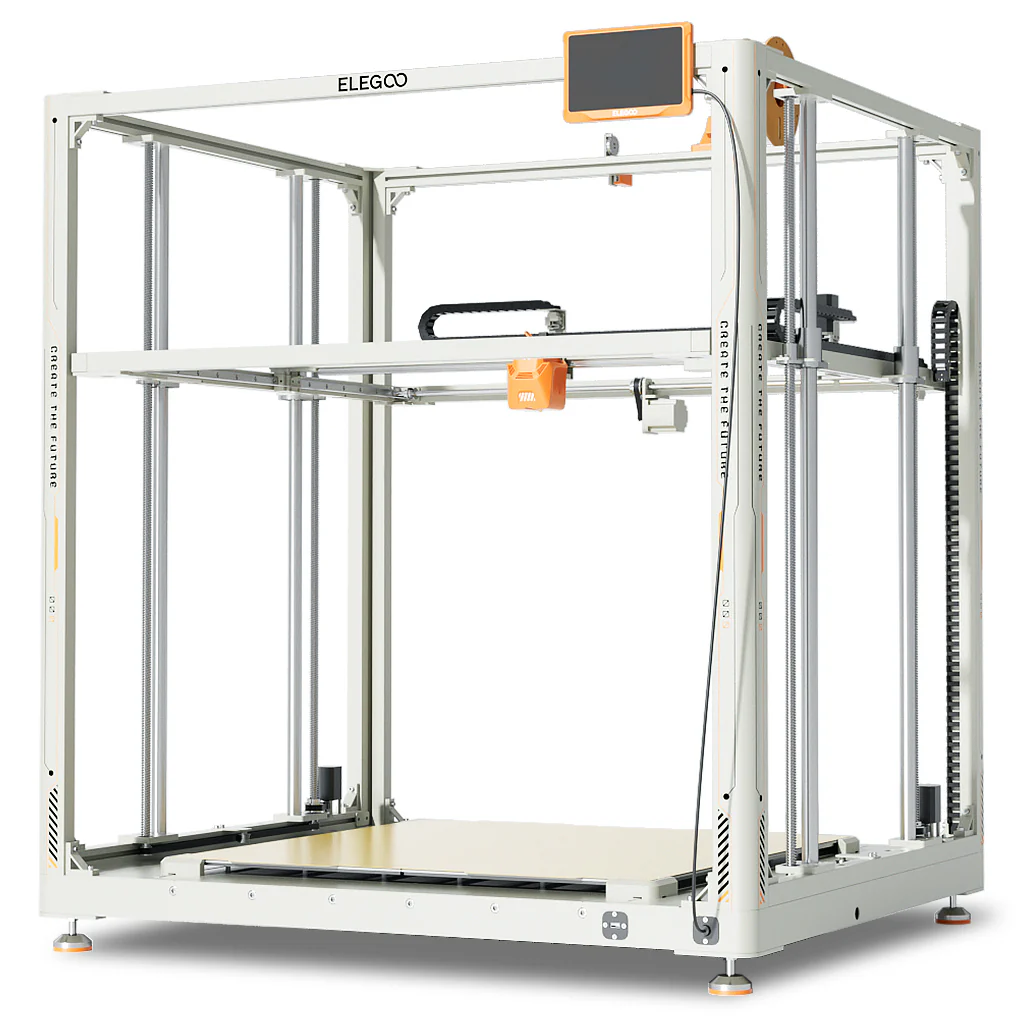
In the world of 3D printing, where innovation drives progress, Elegoo has unveiled a machine set to redefine the industry: the Elegoo OrangeStorm Giga. This isn’t just another addition to the market—it’s a significant step forward in 3D printing technology, poised to open new creative and industrial opportunities. If you’re ready to see what the future holds, let’s dive into why the OrangeStorm Giga is making waves.
Elegoo OrangeStorm Giga: Redefining Large-Scale 3D Printing
Gigantic Build Volume – A New World of Possibilities
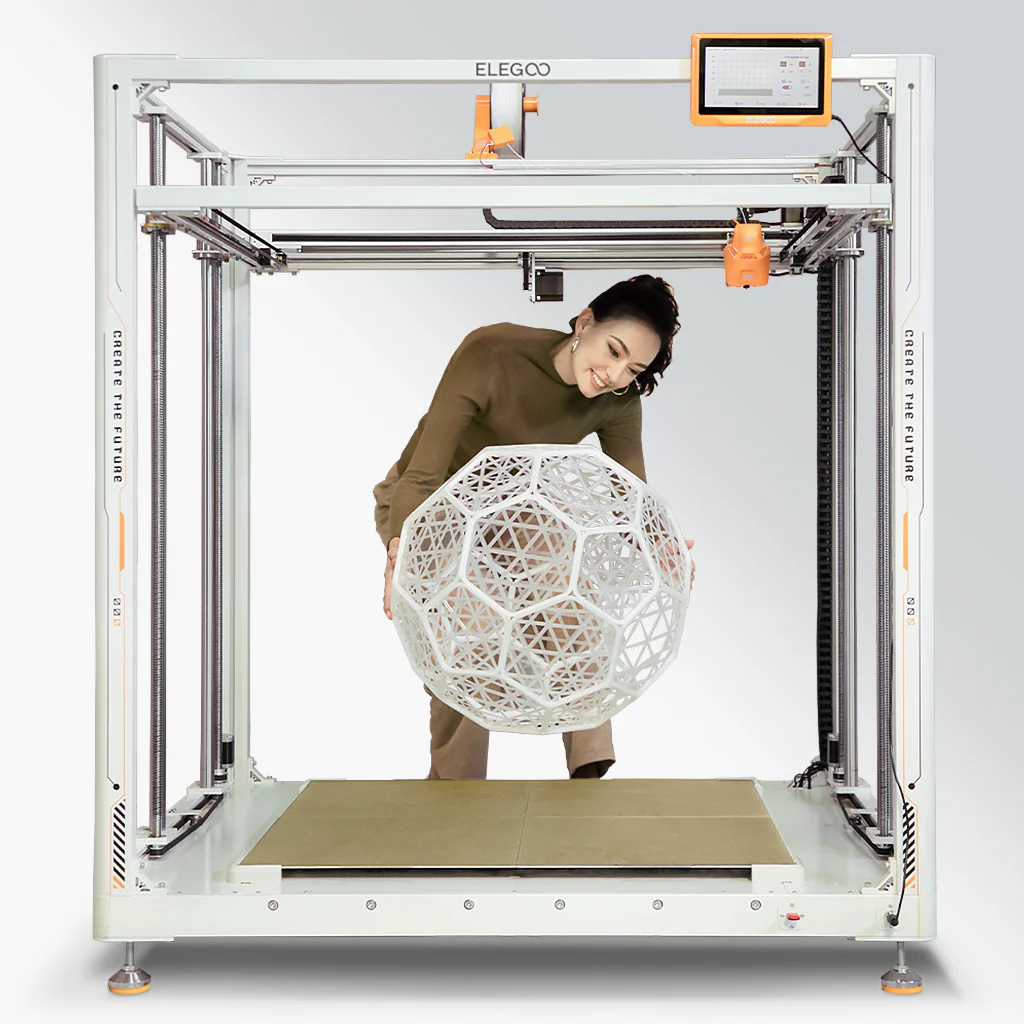
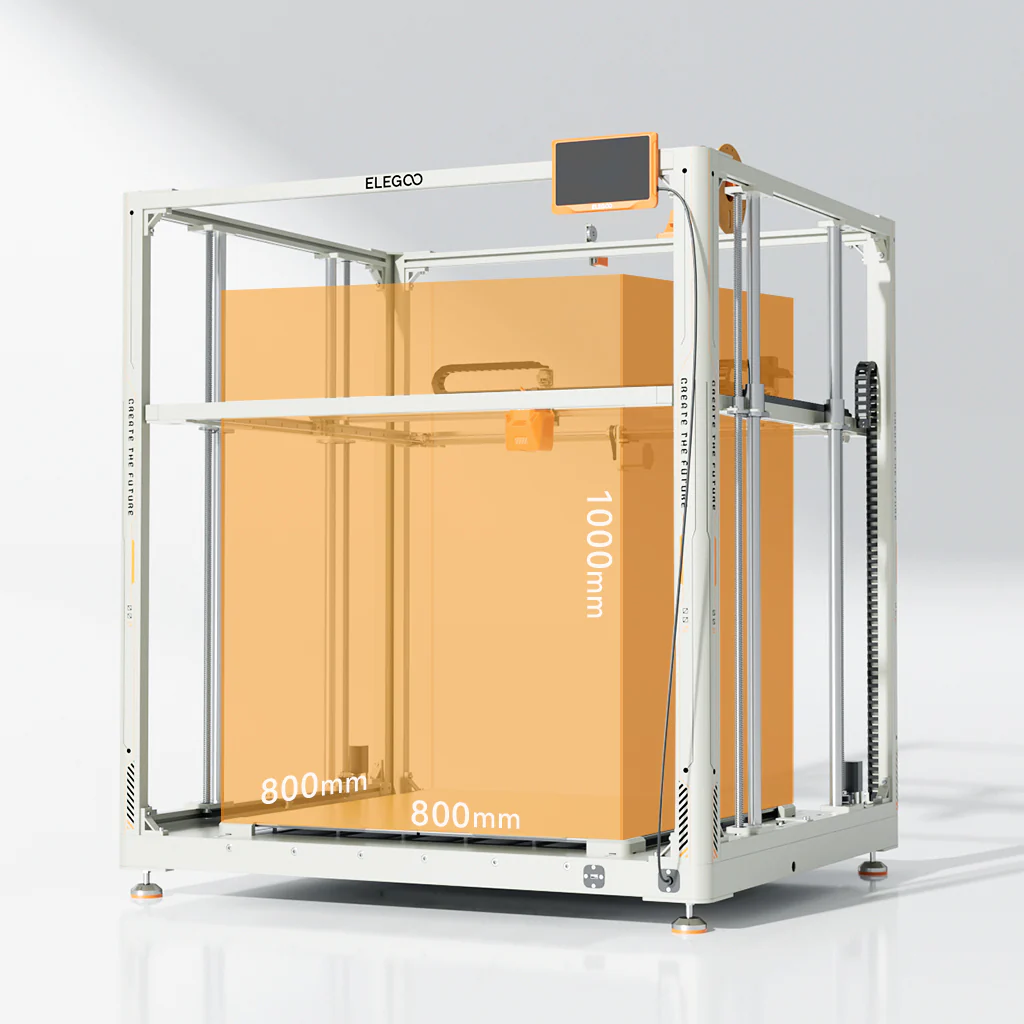
At first glance, the most impressive feature of the OrangeStorm Giga is its massive build volume: 800mm x 800mm x 1000mm. But this isn’t just a size upgrade; it’s a game-changer.
For industrial designers, prototyping specialists, and ambitious hobbyists, the ability to print large, seamless models without splitting them into segments saves time and improves structural integrity. Whether you’re producing industrial parts or massive artistic pieces, this functionality transforms what you can achieve.
To truly appreciate the size of this printer, Elegoo has included a video or 3D model mockup of the Giga, showcasing its full potential.
Elegoo OrangeStorm Giga: Redefining Large-Scale 3D Printing
Intelligent and Efficient Heated Bed
Speed and precision are crucial in 3D printing, but efficiency is just as important—and the OrangeStorm Giga nails this balance with its intelligent heated bed system.
The heated bed consists of four independent 410mm x 410mm PEI magnetic high-temperature platforms. These platforms can heat simultaneously to 90°C in just 17 minutes (with an ambient temperature of 25°C), ensuring fast and even heating.
What sets it apart is its ability to automatically recognize and heat only the area beneath the model for increased energy efficiency. Alternatively, users can manually control the heating zones for even more customization.
Elegoo OrangeStorm Giga: Redefining Large-Scale 3D Printing
Fast Printing with High Performance
The Elegoo OrangeStorm Giga isn’t just big—it’s fast. Thanks to its 64-bit 1.5G clock speed quad-core processor (SOC RK3328), this printer delivers print speeds up to 300mm/s (with 150mm/s recommended).
Compared to standard large-format printers, this speed is six times faster. For those working on large projects, faster prints mean quicker iterations, helping you meet deadlines and get creative ideas into production faster than ever before.
Multi-Nozzle Printing for Versatility
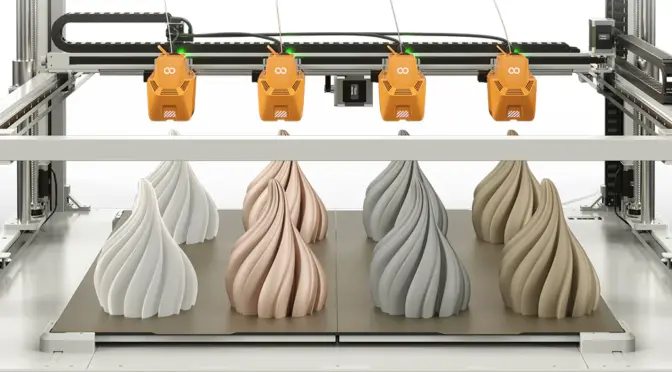
One of the standout features of the OrangeStorm Giga is its multi-nozzle printing capability. It supports up to four nozzles on the X-axis, allowing simultaneous printing of four identical models or models in different colours.
This isn’t just about speed and productivity; it’s also about versatility. Multi-nozzle printing enables complex, multi-material designs and offers enormous potential for prototyping and creative experimentation.
Superior Cooling System for Optimal Results
Elegoo has also paid close attention to cooling, which is critical for print quality and machine longevity. The printer is equipped with thicker dual-sided cooling fans designed to keep prints sharp and precise.
Its intelligent control system automatically turns off the fans once printing is complete, reducing noise, saving energy, and extending the life of the hardware—a thoughtful addition for both home users and industrial environments.
Upgraded Nozzle for Precision and Efficiency
The 300°C high-temperature nozzle features a proximal double-gear extrusion structure and a full titanium alloy heat pipe. With a chrome zirconium copper nozzle and a 60W ceramic heating pad, it ensures smoother and more uniform extrusion for improved printing precision.
Additionally, the nozzle includes PID auto-calibration for precise temperature control and a built-in acceleration sensor for resonance compensation, enhancing overall print quality. The standard nozzle diameter is 0.6mm, with optional sizes ranging from 0.4mm to 1mm.
Auto-Leveling for Hassle-Free Setup
Leveling the bed can be a challenge for many users, but the OrangeStorm Giga simplifies this with an automatic leveling system. This ensures accurate prints without the frustration of manual adjustments.
High-Quality Craftsmanship
The OrangeStorm Giga’s design combines durability and elegance. Its integrated body, linear guides on the X and Y axes, and an upgraded Z-axis rod improve stability and extend the machine’s lifespan. The carbon steel round base and rubber anti-slip pads add to the overall robust construction.
Powerful Features for a User-Friendly Experience
Caterpillar Cable Tracks for smooth and organized cabling.
Filament Detection & Power Loss Recovery to ensure uninterrupted printing.
Portable 7-inch HD Capacitive Screen for intuitive operation.
User-Friendly Belt Knobs for easy adjustments.
Large Spool Holder for handling larger filament spools up to 5kg.
Languages Supported: English, French, German, Russian, Italian, Spanish, Japanese, Chinese
Machine Size: 1224 x 1164 x 1425 mm³
Weight: 104kg (Net), 145kg (Gross)
Power Supply: 100-120V / 220-240V
In Summary
The Elegoo OrangeStorm Giga is more than just a large 3D printer; it’s a beacon of innovation for the entire industry. Its massive build volume, intelligent heating system, blazing-fast speed, multi-nozzle capabilities, and superior cooling design make it a printer that stands apart from the competition.
Whether you’re an industrial user seeking faster prototyping or a maker with a passion for pushing creative boundaries, the OrangeStorm Giga is the tool you’ve been waiting for.