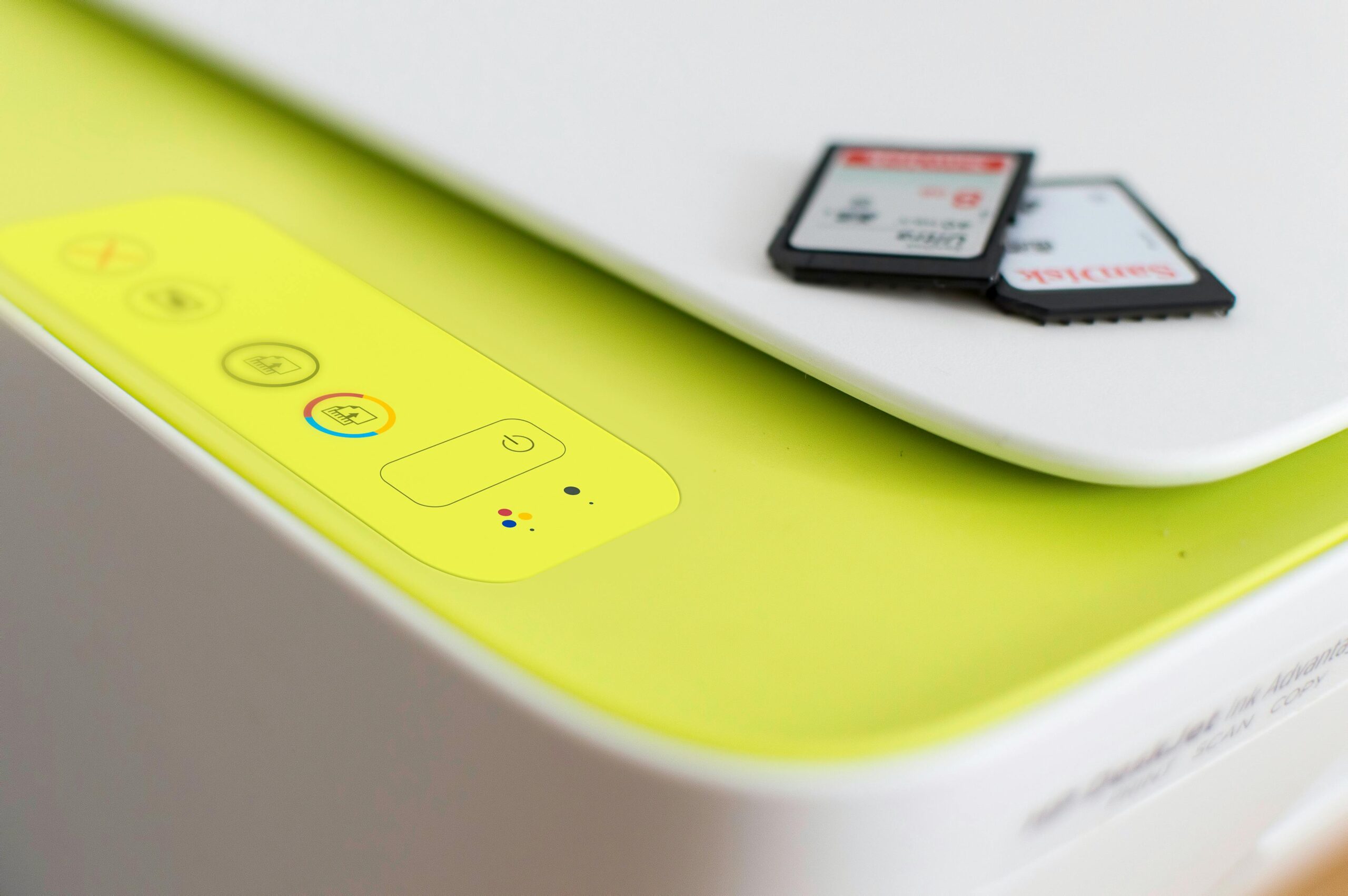
You might think that in 2026, printers are relics of the past like floppy disks or dial up Internet, but the truth is that a printer still holds an important place in homes and offices, especially when paired with a reliable HP ink or other quality supplies. We definitely do live in more of a digital world these days where emails, PDFs, and cloud storage dominate, but sometimes nothing beats having a physical copy in your hand.
There are moments when a digital version of anything just doesn’t cut it.Think last minute forms, boarding passes, or important contracts that need a signature. Printers can be a convenience here, so instead of scrambling for any coffee shop or hunting for Wi-Fi, a home or office printer can save the day. Printing at home is faster, easier, and is much less stressful than running errands in rush hour traffic.

Printers also remain essential for education and creative projects. Students still need hard copies for essays, artwork and science projects. Parents and hobbyists use printers for scrapbooking, DIY gifts or personalized decorations. There is something undeniably satisfying about holding a colourful poster, a photo collage, or a neatly printed schedule. These are some things that just don’t translate the same on a screen. Even in an eco conscious era, printers have adapted many modern models that are energy efficient, duplex capable, and use recycled or refillable cartridges. High quality inks like HP Ink ensures longevity and reduces waste by producing vibrant prints at last. So contrary to what some might think, printing isn’t about waste, but about making the most of physical media where it truly matters.
Is another factor. Digital documents are convenient, but they can be hacked, lost, or misfiled. Printing sensitive documents like tax forms, legal papers, or medical information adds an extra layer of security. A hard copy is a tangible thing, and it can’t be accidentally deleted and ensures that you always have access, even if your devices fail or the Internet goes down. Also do play a role in professional settings, even in a highly digital industry, presentations proposals have asking materials often benefit from printed copies.
Sometimes physical copies can feel more polished, professional and impactful in meetings or conferences. Vibrant brochures or crisp reports can make an impression that screen just can’t replicate. And then let’s not forget the fun. Printing photos from your latest adventures or crafting personalized cards for your birthdays and holidays brings a tactile joy that screens just can’t match. We are dominated by digital everything, so printers give us a little analogue magic that feels refreshing and personal.
Finally, printers have evolved with technology. Modern printers can connect to your phone, tablet, or cloud storage seamlessly. These days, in 2026, the printer isn’t dead. It’s still adaptable, relevant, and surprisingly handy. Screens are great, but nothing beats the satisfaction of holding your work in your hands and seeing something physical rather than just on a screen.


Back in the 1980’s the UK was a melting pot of computer development, back then you couldn’t visit a friends’ house without seeing a them huddled behind a television slowly tapping out computer programs from magazines on their newly purchased home computers. While the USA basked in the glory of the Apple II and IBM PC, in the UK we had our feet firmly placed on the ground and our wallets closed tight. In the States people were paying $2,500 for their computers, far too much for us in the UK, being much more cautious with our hard earned money! Instead we made our own computers, the amazingly popular Sinclair ZX Spectrum, BBC Model B, Acorn Electron and Dragon 32. All of these were home grown products which took the country by storm for a few short years, much cheaper than the US counterparts at £140 and much more fun, well until the IBM PC was licensed to the likes of Dell, HP and AST and the prices started to tumble to more affordable prices.

This is where Fuze comes in, by packaging the Raspberry Pi in a useable case (strangely evocative of the BBC Micro from the 80’s) with integrated keyboard and circuit prototyping board, the Fuze is being launched into schools as the ideal platform for Coding in the curriculum. The circuit board that sits on top of the Fuze allows for electronic design and testing that can be directly controlled from the included Fuze Basic programming language.