Today’s business environment has changed considerably over the last 20 years. Organisations now face threats that simply didn’t exist in the past, or if they did, the risk was significantly lower than it is now. Ensuring that everyone stays safe and your premises remain secure requires not only that you implement the right strategy, but also that you’re constantly working to improve things; the world is evolving at a rapid pace, and taking your eye off the ball, even for a short period of time, can be problematic.
Naturally, this makes getting started a stressful experience for many, and for those with existing businesses, the path forward can be obscured. It’s not easy to develop your organisation into something with the resilience required to operate effectively.
It isn’t impossible, though, and with the right approach, anyone can do it. To help you begin, here are three areas you need to consider to build the foundation required to prosper.
Physical Security
Physical security is just as important as ever, and there’s a lot that goes into implementing a watertight security system to keep your premises safe and secure.
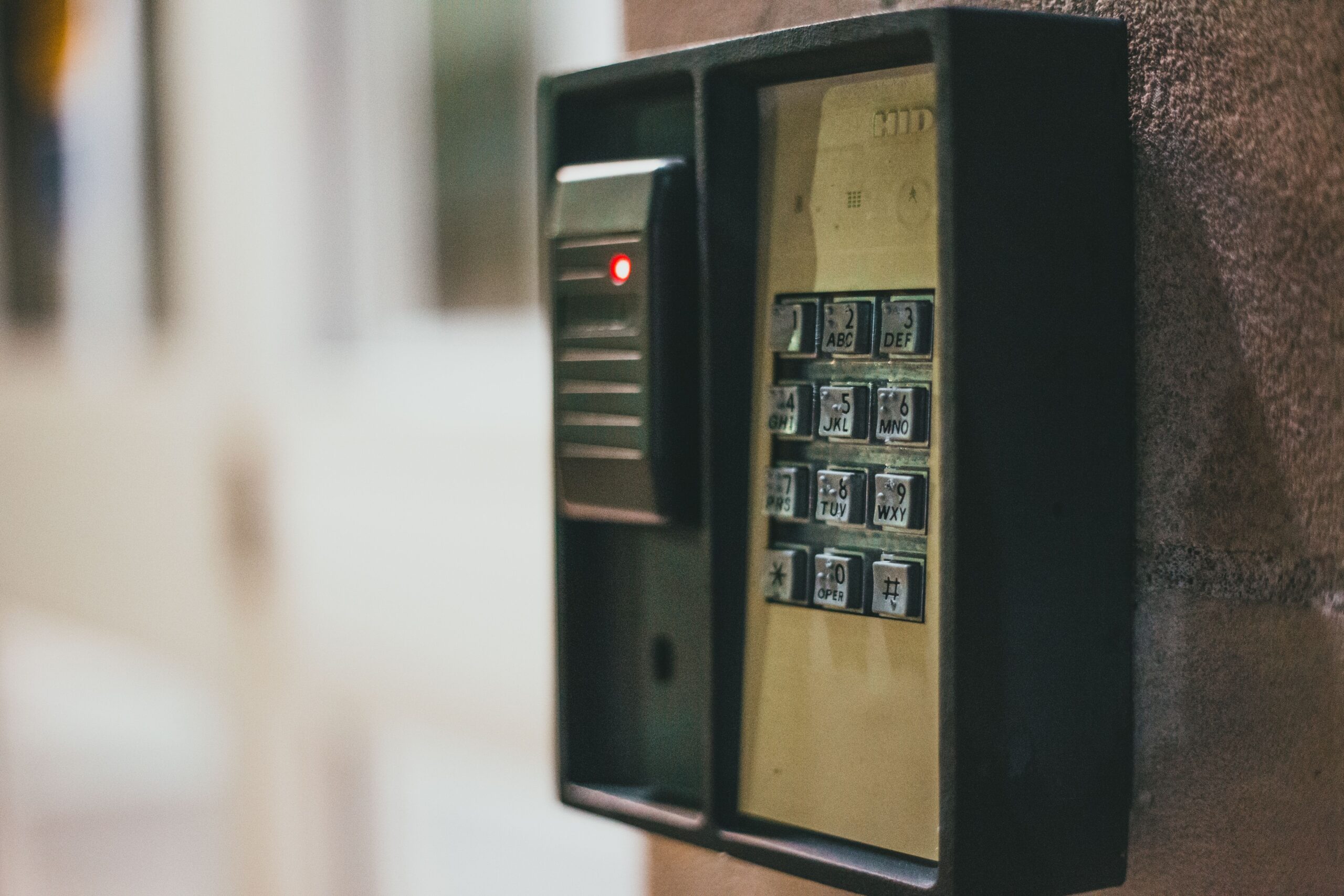
First and foremost, you’ll need to consider your entrances and exits. These points should be locked with commercial-grade security equipment that preferably only permits access via keycard. For the internal structures of the building, you may want to use an access control system, as these help you manage who can and can’t enter certain areas.
A high-quality alarm system is also key, and you should install security cameras both on the outside and inside of the building and monitor them closely. Larger organisations may be able to afford a physical security presence.
Cyber Security
Many businesses rely almost entirely on digital technology to function, often storing large volumes of sensitive data within their systems. While the tech brings plenty of benefits, there’s always the risk of a data breach or hack. These scenarios could cause untold damage, so you’ll need to do your utmost to prevent them from occurring.
The best place to start is with a Cyber Essentials consultancy service. These teams help businesses implement measures to combat the world’s most common threats, protecting them not only with robust infrastructure, but also education.
Supply Chain Management
Another factor that is becoming increasingly complicated is supply chain management.
Buisness is more interconnected than ever, with a greater emphasis on international shipping.
As such, it’s vital to protect yourself against the risk of delays, ill-fitting partnerships, and geopolitical conflict. Choose who you work with very carefully, and make sure you fully understand the implications of each step in the chain to minimise the risk of something going wrong. Problems here not only hurt your reputation – they also mark a direct threat to your revenue stream.
Wrapping Up
While the areas discussed above don’t cover everything, provided you pay careful attention to each element, you should find yourself in a very secure position. Remember, though: this is something you’ll need to refine over time. Don’t forget to periodically assess what’s working and what’s not.
Once upon a time, a phone was just a phone. The exact when of that once-upon-a-time depends on how far back you travel between now and Alexander Graham Bell. For some, it’s when phones were chunks of Bakelite with rotary dials, while for others the cut-off point is when phones started to offer more than calls, text, and playing “snake”. Today, that’s what we’d call a basic phone. And it’s making a comeback.
Rethinking How Smart We Want Our Phones To Be
Dumbing down
Pretty much every mobile phone available today falls into one of three categories: basic, feature and smart.
A basic phone is designed primarily for calling and texting, with very limited or no internet access and minimal extra functions. It usually has a small screen, physical keypad, and lacks apps or an advanced interface.
A feature phone falls between a basic and a smartphone; it often includes some multimedia functions like a basic camera, FM radio, Bluetooth, and sometimes limited internet access. While it may support some apps, it runs on a lightweight operating system and isn’t built for the kind of multitasking or app ecosystems that smartphones offer.
A smartphone can be your office, your library, your entertainment centre and your link to family and friends. It runs on advanced operating systems like Android or iOS and supports full internet access, multitasking, high-resolution touchscreens, downloadable apps from app stores, GPS, and a wide range of sensors and connectivity options. It essentially functions like a handheld computer and is central to modern digital life.
And a pushback against that modern digital life is partly behind a boost in basic sales.
While “dumb” phones represent a small slice of the overall handset market (around 2%), it is a trend mobile phone manufacturers have taken notice of and are responding to; minimalist or feature-free versions of many phones are being developed and promoted to younger generations, especially Gen Z adults (those born between 1997 and 2012).
Interestingly, older members of Gen Z were on the cusp of the transition from basic phones to smartphones, giving them a unique perspective on both types of devices.
And nostalgia does play a role.
The re-release of classic models like the Nokia 3210 in 2024 has tapped into a sense of longing for the past. These updated versions maintain iconic designs while incorporating modern features such as 4G connectivity and USB-C charging, appealing to both those who remember the originals and younger users drawn to retro aesthetics.
Health and safety
Many seek to reduce their screen time and disconnect from the constant smartphone barrage of notifications and social media updates. There is a growing body of research linking increased levels of anxiety, stress and depression to excessive smartphone use; many feel a “hypervigilance” is forced on them because of constant connectivity.
Social media apps have been associated with increased anxiety and depression – social comparison, fear of missing out (FOMO), and cyberbullying all play their part in pushing people away from a digital lifestyle. And parents are increasingly opting for basic phones for their children to limit exposure to social media and online content.
In addition to mental health concerns, mobile phone users are becoming increasing alarmed by potential security risks associated with smartphones. A 2022 Deloitte survey revealed that nearly 60% of respondents worry about their devices being vulnerable to security breaches and organisations tracking them through their devices. This distrust is further fuelled by the lack of transparency regarding data collection practices and the increasing complexity of mobile operating systems.
Impact on Mobile Entertainment Services
The return to basic phones inevitably limits access to mobile entertainment services a trade-off that sits at the heart of this trend.
Without app stores or constant connectivity, users are stepping away from on-demand video, social media feeds, and mobile gaming. For many, this is a deliberate move a way to disconnect from digital noise and regain focus.
But beyond the digital detox narrative, this shift could also reignite interest in the early formats of mobile entertainment. Just as the return to physical media (like vinyl records or Polaroid cameras) has found a nostalgic and passionate following, the revival of feature phones could mark the rise of a “vintage mobile entertainment” movement.
In this light, basic phone users may come to represent a new niche of digital consumers almost like the purists of mobile culture. People who value minimalism, intentional usage, and a stripped-back experience. This creates an interesting opportunity for content creators and service providers to revisit simpler formats: downloadable tones, static graphics, or even text-based games entertainment designed for accessibility, light data usage, and offline consumption.
Could this be the next micro-market in mobile a new segment of business shaped by nostalgia, simplicity, and purposeful tech use?
Impact on advertisers
The resurgence of basic phones could significantly reshape how advertisers operate, particularly by shifting the expectations and mechanics of engagement. The main challenge is the loss of data-rich environments that smartphones provide. With fewer users engaging via apps or the web, there’s reduced access to behavioural tracking, precise geolocation, and interactive ad formats like video or programmatic banners. This could erode the effectiveness of digital advertising campaigns. However, it also revives older formats such as SMS marketing. Brands might turn to simpler, more direct communication, which can feel more personal or urgent, especially in markets where basic phone usage is growing rapidly. These campaigns could see higher engagement due to their lower saturation and novelty in a world now dominated by digital noise.
Advertisers will need to rethink not only their platforms but their assumptions about user attention, availability, and intent. Those who adapt to offer meaningful engagement in low-tech contexts—rather than trying to recreate the smartphone experience—stand the best chance of staying relevant.
Summary
The resurgence of basic phones represents a significant trend in the mobile phone market, driven by a complex interplay of factors. This movement highlights a growing awareness of the need for a more balanced and intentional relationship with technology. As consumers seek greater control over their digital lives, basic phones offer a viable alternative, promoting mental well-being, privacy, and a more focused lifestyle.
ABOUT THE AUTHOR
Nicholas Rossman is a Programme Director at The Mobile Ecosystem Forum (MEF), a global trade body established in 2000 and headquartered in the UK with members across the world. As the voice of the mobile ecosystem, it focuses on cross-industry best practices, anti-fraud and monetisation. The Forum, which celebrates its 25th anniversary in 2025, provides its members with global and cross-sector platforms for networking, collaboration and advancing industry solutions.
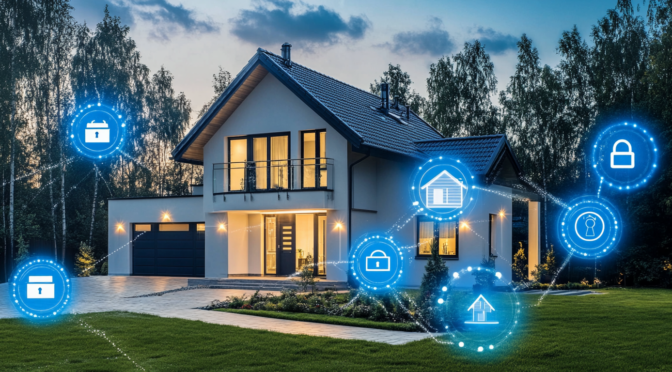
Smart homes are all the rage. Thermostats, cameras, voice assistants—they promise ease and security. But there’s a catch: privacy and security risks. Let’s break it down.
Convenience at a Price
Imagine controlling your lights or thermostat with a tap on your phone or a voice command. Sounds great, right? Devices like Amazon Alexa and Google Home make life smoother and more efficient. But these gadgets need data to function, and that data includes your daily routines and private conversations.
The Hidden Cost of Data
All this convenience comes at a cost. Your smart devices collect heaps of data, often stored in the cloud. This means you’re losing control over who sees your info. Companies might share it with third parties, sell it to advertisers, or even hand it over to the government. Not so smart, huh?
Security Vulnerabilities
And let’s talk about hacking. Many smart home devices aren’t as secure as you’d think. Weak passwords, outdated software, and insecure APIs are open doors for hackers. Think your home security system is impenetrable? High-profile breaches in devices like Ring and Nest suggest otherwise.
Legal Landscape
Lawmakers are catching on. The American Data Privacy and Protection Act (ADPPA) aims to give you rights to your data. You can access, correct, and delete it. Companies must limit data collection to what’s “reasonably necessary.” Sounds good, but enforcing these rules is another ballgame.
How to Protect Yourself
So, what can you do? Be smart about your smart home.
Strong Passwords: Use unique, strong passwords for each device.
Update Regularly: Keep your device firmware up to date.
Know Your Rights: Familiarize yourself with privacy laws like the ADPPA.
Real-World Incidents
Data misuse in smart homes is real. From unauthorized data collection to hacking, your private moments could end up exposed. High-profile cases have shown how easily these devices can be compromised, underscoring the need for robust security measures.
Industry Responsibility
Manufacturers also have a role to play. They need to implement strong security protocols and be transparent about data usage. Compliance with standards like the Matter interoperability and security standard can help build trust and protect user data.
Consumer Awareness
Consumers must stay informed. Understand what data your devices collect and take steps to safeguard it. Use strong passwords, update regularly, and know your rights.
Josh Gordon, a technology infrastructure expert at Geonode, emphasizes the importance of robust privacy measures: “The key to balancing convenience and security lies in understanding the data flows and ensuring that access is secure and controlled.” Gordon’s insights align with the industry’s growing emphasis on data privacy and secure access solutions, reinforcing the critical need for consumers to stay vigilant.
By staying vigilant and informed, you can enjoy the perks of a smart home without sacrificing your privacy.