Tag Archives: risk management

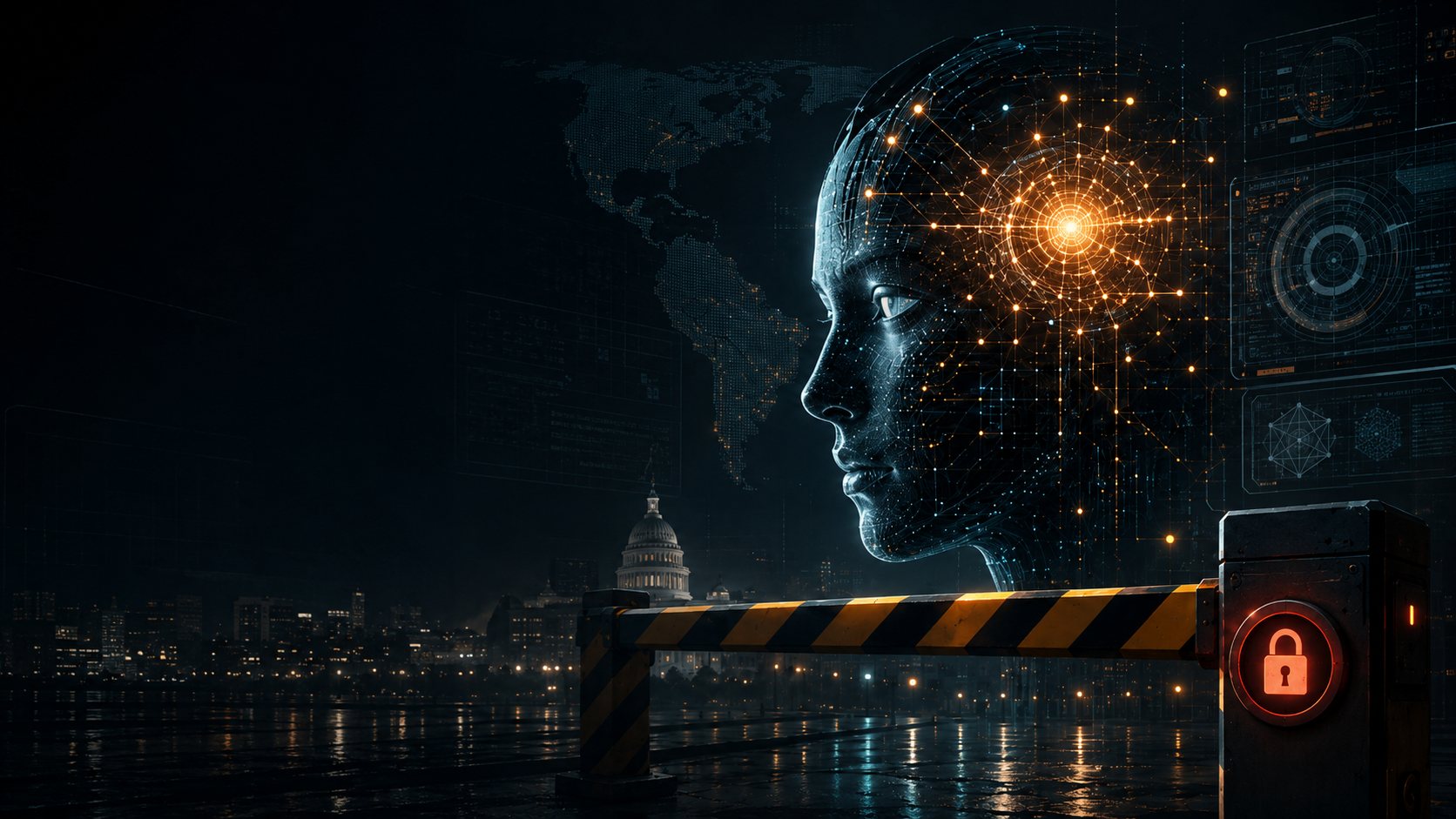
When AI Becomes Too Powerful To Export: Anthropic, Fable 5, Mythos 5, and the moment AI became national security

There are moments in technology when you can almost hear the gears of history clicking into place.

Not loudly. Not with fireworks or a bloke in a shiny suit standing on stage telling us that everything has changed. More often, it happens quietly, in a blog post, a government letter, or a hurried statement published late in the day.

This feels like one of those moments.

Anthropic has announced that it is suspending access to its Claude Fable 5 and Claude Mythos 5 models after receiving a directive from the US government. The reason given is national security. The result is that Anthropic has had to abruptly disable the models for all customers, because the order reportedly prevents access by any foreign national, whether inside or outside the United States.

That even includes foreign national Anthropic employees.

Just pause on that for a moment.

We are not talking about a graphics card being shipped overseas. We are not talking about a missile guidance chip, a military radar system, or some piece of exotic lab equipment. We are talking about access to an artificial intelligence model.

Software has just been treated like a controlled strategic asset.

What are Fable 5 and Mythos 5?

Only a few days before this happened, Anthropic had announced Claude Fable 5 and Claude Mythos 5.

Fable 5 was presented as a highly capable model for general use, sitting above Anthropic’s previous Opus class models. It was described as being especially strong at software engineering, research, visual understanding, long running tasks and complex knowledge work.

Mythos 5, meanwhile, appears to be the more restricted version, intended for trusted partners, particularly in areas such as cyber defence and critical infrastructure. In simple terms, Fable 5 was the version with more safeguards. Mythos 5 was the version where some of those safeguards could be lifted for trusted users.

Anthropic’s argument was that these systems could do a great deal of good. They talked about helping cyber defenders secure important software, assisting with scientific research, and accelerating work in areas such as life sciences.

And that is where the difficult bit begins.

The same capability that helps a good actor find vulnerabilities in software can also help a bad actor find vulnerabilities in software. The same intelligence that can help researchers solve hard problems can also lower the barrier for people who should not be anywhere near those tools.

That is the uncomfortable dual use problem at the heart of advanced AI.

The jailbreak question

According to Anthropic, the US government’s concern appears to be around a possible way of bypassing, or “jailbreaking”, Fable 5’s safeguards.

A jailbreak in this context means finding a way to persuade the AI to ignore or work around its safety systems. Anyone who has used AI tools for a while will know that safety systems can sometimes be a bit clumsy. They can refuse harmless requests, misunderstand context, or behave like an over cautious supply teacher on a school trip.

But at the frontier end of AI, the stakes are rather higher than asking for a dodgy limerick or persuading a chatbot to roleplay as an unfiltered assistant. Here, the concern is that a model might be coaxed into helping with cybersecurity work in a way that could be misused.

Anthropic says it has only received limited evidence of a narrow jailbreak and that the vulnerabilities involved were already known and relatively minor. It also says other publicly available models can identify similar issues without needing any special bypass.

That is important, because it gets to the heart of the argument.

If every powerful AI model can be jailbroken in some narrow way, does that mean none of them should be released?

Or does it mean the industry needs layered defences, monitoring, responsible access programmes and clear rules?

Anthropic clearly believes the latter.

A sudden and very public clash

What makes this story so striking is not just the safety issue. It is the speed and bluntness of the response.

Anthropic says it received the directive at 5.21pm Eastern Time and that the letter did not give specific details of the national security concern. The company is complying with the order, but it also says it disagrees with the decision and believes the action was not transparent, fair, clear, or grounded in technical facts.

That is unusually direct language from a major AI company.

It is also a sign of the times. The relationship between AI labs and governments is going to become one of the defining technology stories of the next few years. These companies are building systems that may become essential to business, science, software development, education, defence, healthcare and almost every corner of modern life.

Governments are not going to sit back and treat that as just another app.

When AI Becomes Too Powerful To Export: Anthropic, Fable 5, Mythos 5, and the moment AI became national security

The export control problem

For years, the big AI export control story has mostly been about chips. Who can buy the most advanced GPUs? Which countries can access the hardware needed to train frontier models? How do you stop sensitive capability moving across borders?

This Anthropic story changes the focus.

Now we are talking about controlling access to the model itself.

That opens up a whole set of awkward questions.

  • What happens if a UK business builds a product around an American AI model and access is suddenly removed?
  • What happens to customers who have paid for a service?
  • What happens to employees of the AI company who are not US citizens?
  • What happens when powerful models are used through cloud platforms, APIs, apps and enterprise tools across dozens of countries?

For businesses, this is a bit of a wake up call.

Many companies are now rushing to bolt AI into their workflows. Customer service, coding, document analysis, marketing, finance, legal review, research, data extraction, the lot. But this story is a reminder that access to the most advanced models may not always be guaranteed.

It is not enough to ask, “Which model is best?”

You also have to ask, “What happens if it disappears tomorrow?”

The Gadget Man view

I find this fascinating because it marks a shift in how we think about AI.

For most people, AI still feels like a clever website. You type something in, it replies, and occasionally it makes you wonder whether the future has arrived slightly ahead of schedule.

But at the very top end, these models are becoming more like infrastructure. They are tools that can write code, analyse huge amounts of information, interpret images, reason through complex problems and assist in scientific work. They are no longer just novelty chatbots. They are engines of capability.

And that makes governments nervous.

Some of that nervousness is reasonable. A powerful AI system in the wrong hands could be dangerous. Nobody sensible should pretend otherwise.

But there is also a danger in sudden, opaque intervention. If companies are told to build safely, test thoroughly, work with governments, create safeguards and develop trusted access programmes, then the rules need to be clear. Otherwise, innovation becomes a guessing game.

Anthropic’s frustration seems to be that it believes it did many of the right things. It says it worked with government, carried out extensive testing, used strong safeguards and adopted a defence in depth approach. Yet it still found itself having to pull access almost immediately.

That will worry a lot of people in the AI world.

What does it mean for ordinary users?

For most casual users, probably not much today.

Access to Anthropic’s other models is not affected, and many people will not have been using Fable 5 or Mythos 5 yet. But the wider meaning is more significant.

This is a glimpse of the future of AI regulation.

The most advanced models may not be treated like ordinary software products. They may be controlled, restricted, monitored and sometimes withdrawn. Access may depend on who you are, where you are, what you are doing, and whether a government believes the system crosses a national security threshold.

That might sound dramatic, but it is not science fiction anymore. It is happening.

My closing thought

There is an old pattern in technology.

First, something looks like a toy.

Then it becomes useful.

Then it becomes essential.

Then it becomes strategic.

AI has moved through those stages at a frankly ridiculous speed.

The Anthropic Fable 5 and Mythos 5 story may turn out to be a misunderstanding, as Anthropic suggests. Access may be restored. The details may become clearer. The technical risk may prove to be less dramatic than the government feared.

But even if all that happens, the line has still been crossed.

A government has looked at an AI model and treated it as something powerful enough to restrict on national security grounds.

That is not just a story about Anthropic.

That is a story about where AI is heading next.

And whether we like it or not, the future of artificial intelligence is no longer just about clever prompts, faster coding, or shinier demos.

It is about power, trust, borders and control.

Welcome to the next chapter.


Keeping Your Business Secure From Modern Threats: Three Areas to Consider

Today’s business environment has changed considerably over the last 20 years. Organisations now face threats that simply didn’t exist in the past, or if they did, the risk was significantly lower than it is now. Ensuring that everyone stays safe and your premises remain secure requires not only that you implement the right strategy, but also that you’re constantly working to improve things; the world is evolving at a rapid pace, and taking your eye off the ball, even for a short period of time, can be problematic. 

Naturally, this makes getting started a stressful experience for many, and for those with existing businesses, the path forward can be obscured. It’s not easy to develop your organisation into something with the resilience required to operate effectively. 

It isn’t impossible, though, and with the right approach, anyone can do it. To help you begin, here are three areas you need to consider to build the foundation required to prosper. 

  1. Physical Security

Physical security is just as important as ever, and there’s a lot that goes into implementing a watertight security system to keep your premises safe and secure. 

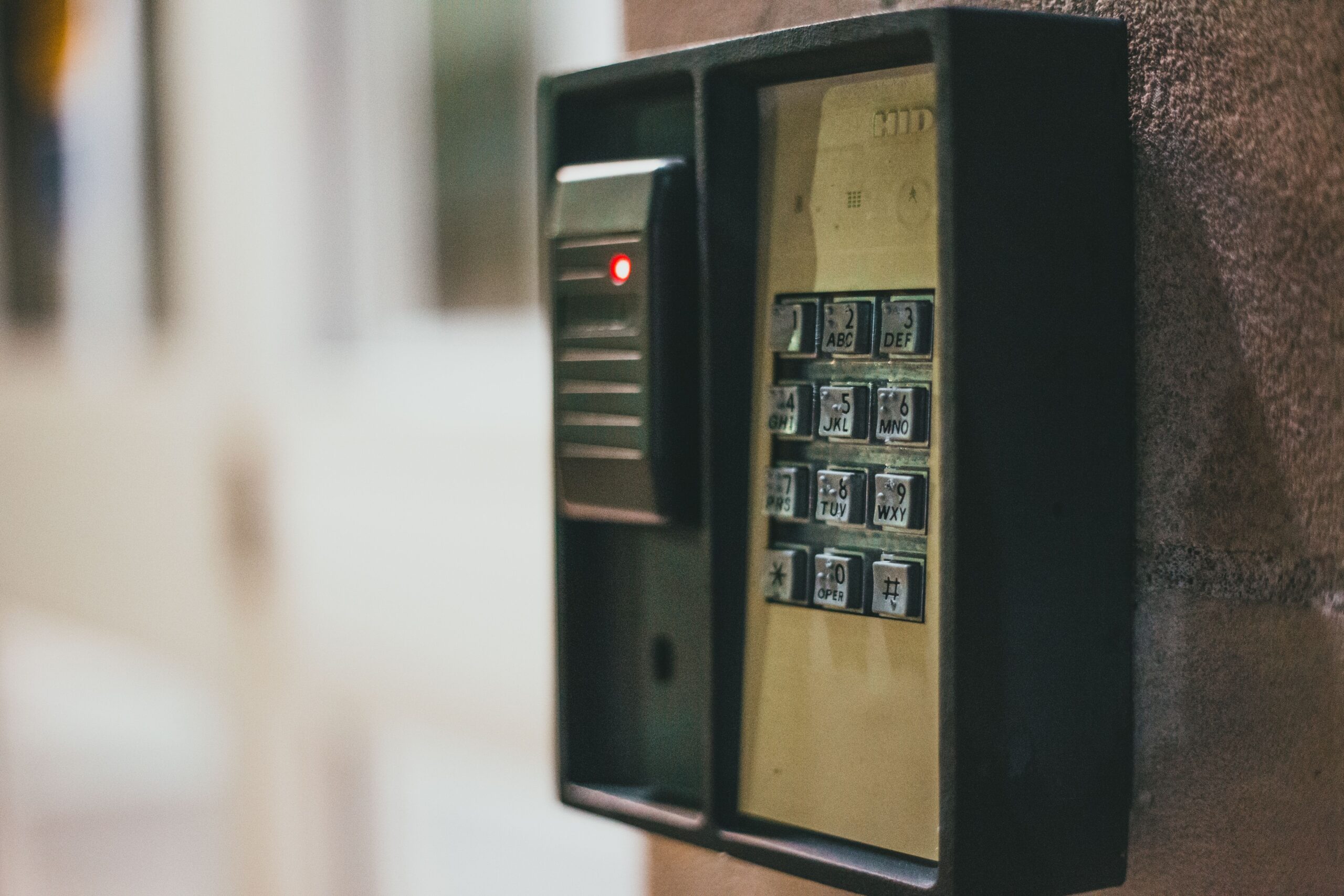
First and foremost, you’ll need to consider your entrances and exits. These points should be locked with commercial-grade security equipment that preferably only permits access via keycard. For the internal structures of the building, you may want to use an access control system, as these help you manage who can and can’t enter certain areas. 

A high-quality alarm system is also key, and you should install security cameras both on the outside and inside of the building and monitor them closely. Larger organisations may be able to afford a physical security presence. 

  1. Cyber Security  

Many businesses rely almost entirely on digital technology to function, often storing large volumes of sensitive data within their systems. While the tech brings plenty of benefits, there’s always the risk of a data breach or hack. These scenarios could cause untold damage, so you’ll need to do your utmost to prevent them from occurring.

The best place to start is with a Cyber Essentials consultancy service. These teams help businesses implement measures to combat the world’s most common threats, protecting them not only with robust infrastructure, but also education. 

  1. Supply Chain Management

Another factor that is becoming increasingly complicated is supply chain management. 

Buisness is more interconnected than ever, with a greater emphasis on international shipping. 

As such, it’s vital to protect yourself against the risk of delays, ill-fitting partnerships, and geopolitical conflict. Choose who you work with very carefully, and make sure you fully understand the implications of each step in the chain to minimise the risk of something going wrong. Problems here not only hurt your reputation – they also mark a direct threat to your revenue stream. 

Wrapping Up

While the areas discussed above don’t cover everything, provided you pay careful attention to each element, you should find yourself in a very secure position. Remember, though: this is something you’ll need to refine over time. Don’t forget to periodically assess what’s working and what’s not.

Anthropic’s Project Glasswing Could Change Cybersecurity Forever

There are moments in tech when you read an announcement and immediately realise that something important has shifted.

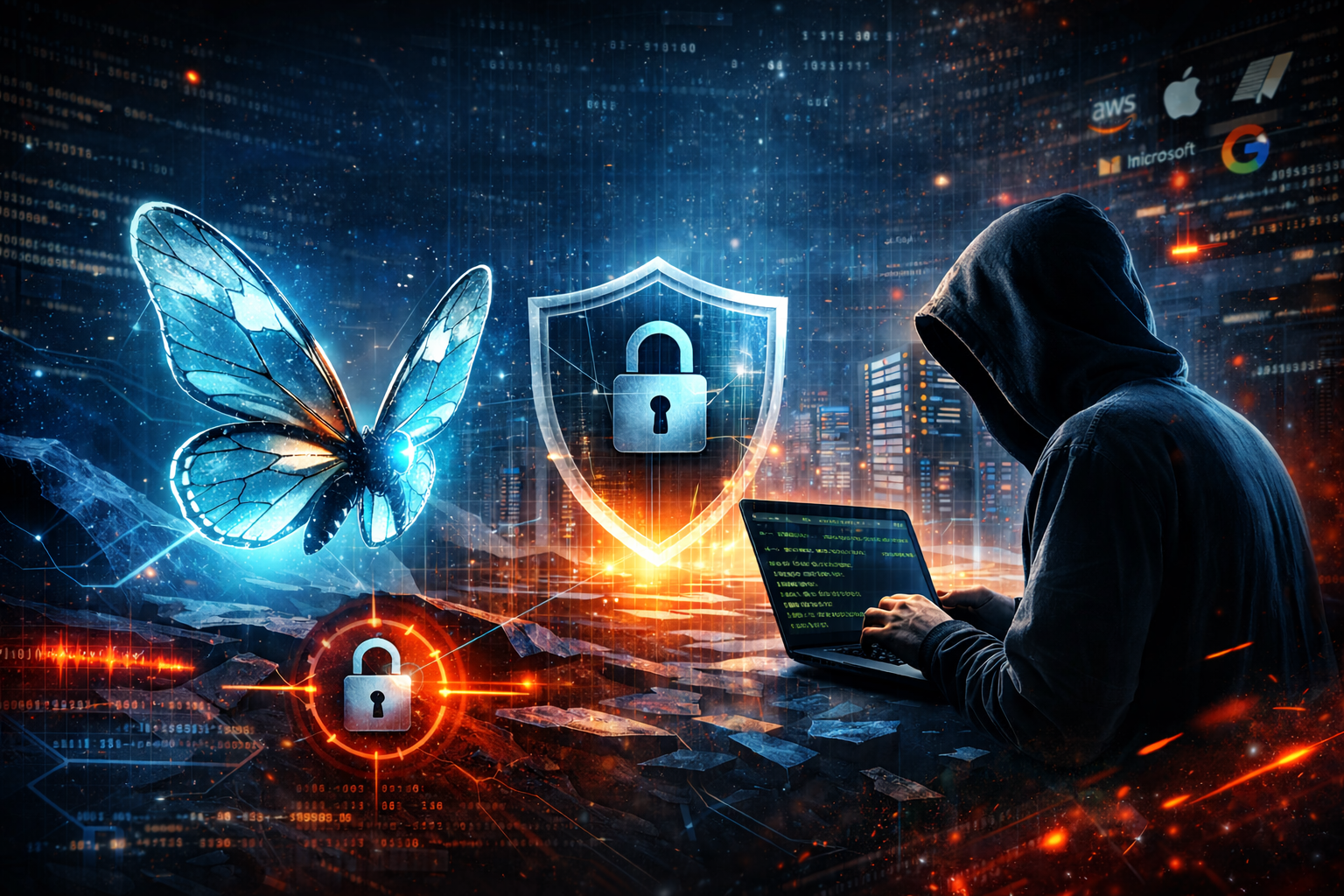
That was very much my reaction when I came across Project Glasswing, a newly announced initiative from Anthropic that is aimed squarely at one of the biggest looming problems in modern computing: what happens when AI becomes exceptionally good at finding software vulnerabilities. Source

According to Anthropic, Project Glasswing brings together a heavyweight list of partners including Amazon Web Services, Apple, Broadcom, Cisco, CrowdStrike, Google, JPMorganChase, the Linux Foundation, Microsoft, NVIDIA and Palo Alto Networks, all with the goal of securing critical software for what Anthropic calls the AI era. It is also extending access to more than 40 additional organisations that build or maintain important software infrastructure. Source

Now, that alone would be interesting enough, but the real headline here is the model sitting behind it all.

Anthropic says its unreleased model, Claude Mythos Preview, has already demonstrated the ability to find and exploit software vulnerabilities at a level beyond all but the most skilled human experts. That is a huge claim, and if it holds up in practice, it means we may have crossed into a very different phase of cybersecurity. Source

In plain English, this is not just about a chatbot helping someone write a bit of code more quickly. This is about AI being able to inspect complex software, spot weaknesses that humans and automated tools have missed for years, and in some cases work out how those weaknesses could be exploited. Anthropic says the model has already found thousands of high-severity vulnerabilities, including flaws affecting major operating systems and web browsers. Source

Some of the examples are rather startling. Anthropic says Mythos Preview uncovered a 27-year-old vulnerability in OpenBSD, a 16-year-old flaw in FFmpeg, and even chained together several Linux kernel vulnerabilities in a way that could escalate ordinary user access into full control of a machine. The company says those issues have now been responsibly disclosed and patched. Source

That, to me, is the bit that really lands.

Because for years we have tended to think of cybersecurity in terms of patching known issues, following best practice, keeping software up to date and hoping the really serious flaws are found by the good people before the bad people. But if AI systems are now reaching the point where they can autonomously discover dangerous bugs in code that has survived decades of scrutiny, then the pace of both defence and attack could increase dramatically. Source

Anthropic is clearly trying to frame Glasswing as a defensive first move. The company says it is committing up to $100 million in usage credits for Mythos Preview and $4 million in direct donations to open-source security organisations. The idea seems to be to put these capabilities into the hands of defenders, infrastructure operators and maintainers before similar systems become more widely available. Source

And that is probably the most sensible angle here.

Because whether we like it or not, the genie is not going back in the bottle. If one frontier AI lab can build a model that is frighteningly good at vulnerability discovery, others will too. Eventually, those capabilities will spread further. The question is not really whether AI will reshape cybersecurity. It is whether defenders can get enough of a head start to stop things getting seriously messy. That is an inference from Anthropic’s announcement and the examples it gives, rather than a direct claim from the company, but it feels like the unavoidable conclusion. Source

For those of us who run websites, servers, ecommerce platforms, mail systems or anything else connected to the wider internet, this should be a bit of a wake-up call. The old approach of leaving systems half-maintained, delaying updates, or assuming that obscure software will somehow stay below the radar looks even more risky in a world where AI can inspect code at speed and scale.

Project Glasswing may turn out to be remembered as one of those early milestone moments, the point where the cybersecurity industry publicly acknowledged that AI is no longer just a helpful assistant for defenders. It is becoming a serious force multiplier, and one that could work for either side.

That makes this announcement both exciting and slightly chilling.

And, in true Gadget Man fashion, it is exactly the kind of development that reminds us technology is never just about shiny new tools. It is also about consequences, responsibility and how quickly the world has to adapt when the rules suddenly change.

Source

Anthropic, Project Glasswing: Securing critical software for the AI era

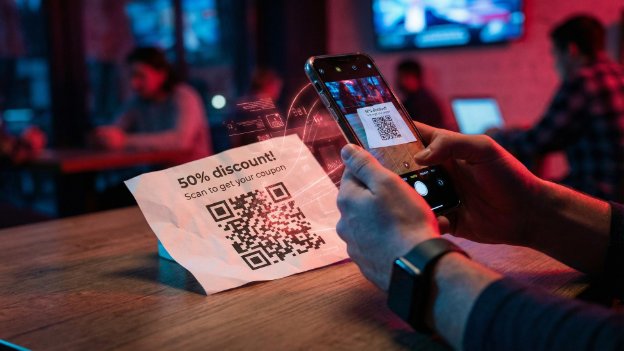
Think Before You Scan: That QR Code May Be a Scam

QR codes have become part of everyday life. Parking meters, restaurant menus, parcels, emails. A quick scan feels harmless. That is exactly why cybercriminals are increasingly abusing them.

This growing threat is known as quishing, short for QR code phishing. Instead of asking you to click a suspicious link, attackers persuade you to scan a code that quietly sends you somewhere you really did not intend to go.

At the start of January, the FBI issued a warning about a wave of attacks linked to North Korean cybercriminals who were using fake QR codes to harvest personal information. Security experts say this is not just a US problem. Similar attacks are now appearing across multiple countries, including the UK, as criminals look for new ways to make money.

The technique is simple but effective. Fake QR codes are placed over legitimate ones in public locations such as parking machines, cafés and kiosks. Scan the code and you are redirected to a convincing looking website that may ask for payment details or login credentials. Last year, UK government bodies warned motorists about QR stickers on parking meters that led victims to spoofed payment pages.

QR codes are also being used in email attacks. In one example highlighted by the FBI, a state sponsored group embedded malicious QR codes in emails to employees, presenting them as a way to download extra information. Scan first, think later. That is what the attackers are counting on.

According to cybersecurity experts at Planet VPN, the outcome is usually the same wherever the QR code appears. Once scanned, users are forwarded to a fake site designed to look genuine, whether that is a restaurant menu or a payment page. From there, credit card details, passwords or even full device access can be compromised.

Planet VPN co founder Konstantin Levinzon explains why QR codes are proving so effective. People tend to trust them. They became widespread during the pandemic and still do not trigger the same suspicion as a dodgy looking link. The risk feels lower because there is no visible URL to inspect, just a quick scan.

There is another reason attackers favour QR codes in emails. Many anti phishing systems analyse text and links but do not properly inspect images. A QR code can slip through where a traditional phishing email might be blocked. Even when detection improves, attackers adapt by changing colours or designs to evade filters.

The scale of the problem is significant. Cybersecurity researchers estimate that millions of QR related threats were recorded in just the first half of last year, and experts believe the real number is likely higher due to undetected scams.

Think Before You Scan: That QR Code May Be a Scam

So what should you do?

Be deliberate about scanning QR codes. Ask yourself why it is there and whether it makes sense. If a scan takes you to a site asking for payment or login details, treat that as a serious warning sign.

If a QR code arrives via email from someone you do not know, or even someone you do know but were not expecting to hear from, pause and verify it before entering any details or downloading anything.

Most importantly, apply the same common sense you would use elsewhere online. Stay sceptical. Use a VPN on public Wi Fi. Keep your devices updated. Use strong passwords and enable multi factor authentication wherever possible.

QR codes are convenient, but convenience is often what attackers exploit. A second of caution can save a great deal of hassle later.

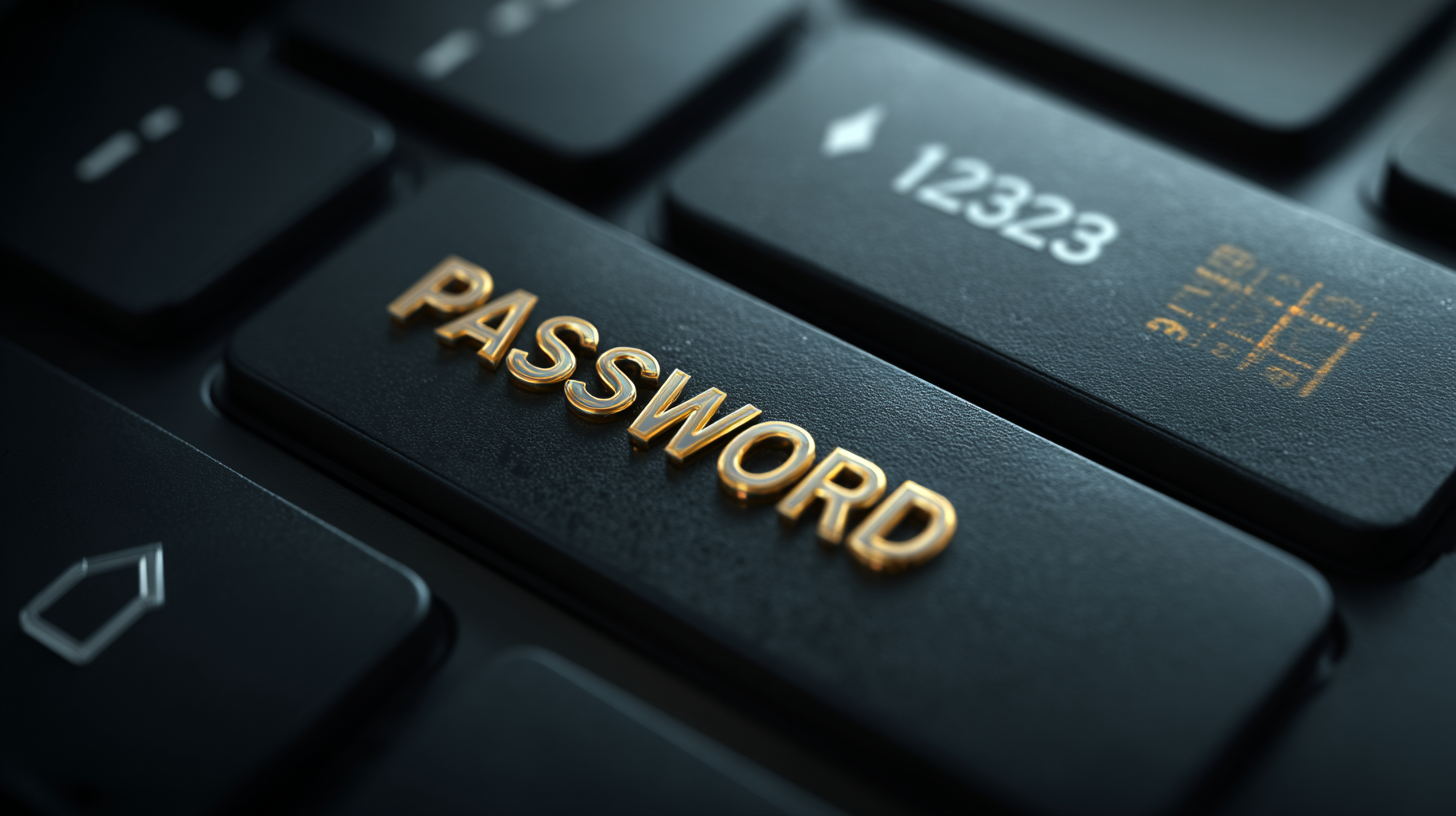
Why ‘123456’ Is Still Ruining Business Security

There are some things you expect to see in 2026. AI everywhere. Electric cars quietly taking over. Smart homes that know when you have run out of milk.

What you do not expect is that one of the biggest threats to company security is still someone typing 123456 into a login box.

Yet here we are.

A recent piece of research from NordPass lays it all bare. After analysing huge volumes of passwords exposed in real world data breaches, the conclusion is both fascinating and slightly terrifying. Business passwords are often no better than the ones we were being warned about twenty years ago.

The same bad habits, everywhere

Across sectors like healthcare, manufacturing, tech and finance, the patterns repeat themselves. Simple number sequences dominate. Obvious choices like 123456, 123456789 and password keep cropping up. In some cases people are even using their own email address as the password.

That last one is particularly grim. If your username is already public, you have effectively handed an attacker half the keys to the building.

What struck me most was how universal this problem is. This is not a single careless industry or a few unlucky firms. It is a human behaviour issue. Convenience beats caution every time unless systems are designed to protect us from ourselves.

Why attackers love this

From an attacker’s point of view, weak passwords are a gift. Automated tools can try millions of common combinations in seconds. If employees reuse passwords across systems, one breach can quietly unlock several more doors.

This is often how serious incidents begin. Not with Hollywood style hacking, but with someone guessing a password that should never have existed in the first place.

The uncomfortable truth for businesses

Here is the bit that matters. This is not really a technical problem. The tools to fix it have existed for years.

Strong password policies. Password managers. Multi factor authentication. Alerts for leaked credentials. None of this is exotic or expensive anymore.

What is missing is consistency and enforcement. Many organisations still rely on guidance rather than rules, or assume that staff will naturally do the right thing. History shows they will not, especially when speed and convenience are rewarded.

What actually works

From everything I have seen over the years, both professionally and personally, a few things make the biggest difference.

First, remove the burden from users. A good password manager means nobody has to remember anything clever.

Second, enforce unique passwords everywhere. No exceptions.

Third, enable multi factor authentication wherever possible, especially for email and admin accounts.

Finally, treat leaked passwords as inevitable, not hypothetical. Monitor for them and act quickly.

Still relevant, still risky

It is easy to laugh at 123456. It feels like a joke from the early days of the internet. But when that same password is still opening real company systems today, it stops being funny very quickly.

The NordPass research is a useful reminder that cybersecurity does not always fail at the cutting edge. More often, it fails at the front door.

And the front door is still wide open far too often.

Fire Safety In The Workshop: Why A Simple precaution Makes All The Difference

There is a moment in every workshop when the familiar hum of a machine reminds you how much heat is being generated just out of sight. Whether you are shaping a design with a laser cutter or pushing a long print through the night, both processes rely on concentrated heat and electronics working in perfect harmony. Most of the time everything behaves exactly as expected, but all it takes is a small fault, a stray ember or a damaged cable to turn that hum into something altogether more worrying.

Fire safety is rarely the glamorous side of making, yet it is one of the most important. Over the years I have seen how quickly a small flare can take hold and how easily it can damage tools, materials and the room around them. The risks are low, but they are real, and a little preparation can make an extraordinary difference.

The usual advice stands. Keep machines clean, check wiring regularly, make sure ventilation is clear and never leave cutting material that contains adhesives or unknown coatings unattended. Smoke and heat detectors are essential, as is good airflow and sensible layout. These form the invisible foundation of a safe workshop. They work quietly in the background and never ask for attention.

Then there is the final line of defence. The moment when you see something beginning to smoke or flame and you know you have only seconds to stop it becoming anything serious. Traditionally this has meant reaching for a dry powder extinguisher or a CO2 cylinder. Both will deal with a fire effectively, but both have their drawbacks in a small workshop. Powder settles everywhere and can ruin equipment long after the flames are out. CO2 works well but tends to be large, heavy and not always convenient if you need something you can grab in an instant.

This is where the Fire Safety Stick becomes so valuable. I keep one mounted on the wall near my machines for one simple reason. It allows me to deal with a developing fire without coating the entire workspace in a layer of residue that could permanently damage the very equipment I am trying to save. It produces no settling dust and no lingering film. Once the flame is out there is no clean up and no lasting harm to delicate components, optics or electronics.

The Fire Safety Stick answers many of the concerns that makers often raise. It is compact, straightforward to operate and requires no servicing. It can be used on the types of fires likely to occur around 3D printers and laser cutters, and because the discharge is clean, it allows you to act quickly without wondering how much collateral damage you are about to create. In a space filled with tools, materials and sensitive hardware, that freedom matters.

Fire Safety In The Workshop: Why A Simple precaution Makes All The Difference

This does not replace sensible precautions. It simply adds a layer of protection that fits naturally into the rhythm of a workshop. You can strike it, place it near the source of the problem and step back, letting it continue to suppress the fire while you stay safe. It buys time, and in an environment where heat and electronics are always working together, time is the most valuable thing you have.

I encourage anyone who spends hours printing, engraving or cutting to think seriously about fire safety. It is easy to assume that nothing will ever go wrong, but experience has taught me that peace of mind is something you only appreciate after the moment you wish you had it. A clear workspace, a basic understanding of your equipment and a Fire Safety Stick within reach is a simple combination that gives you that reassurance.

In a world filled with clever tools and creative possibilities, sometimes the most important equipment is the one you hope you never need to use.

Fire Safety Stick is available in 50 second and 100 second discharge rates and are available from Amazon  at https://amzn.to/48fRCob

Cybernews Cracks the Password Puzzle: What 19 Billion Passwords Reveal About Us

We’ve all been there — that moment when the password box blinks impatiently, waiting for your brain to produce something secure and memorable. But what if I told you that billions of us are still relying on “123456” or “password” to guard our digital front doors?

Researchers at Cybernews have just released a fascinating and somewhat alarming analysis of 19,030,305,929 leaked passwords, and the findings tell a revealing story about human behaviour, pop culture obsessions, and our often lacklustre approach to security.


Only 6% of Passwords Are Unique – Let That Sink In

Out of 19 billion passwords, only 1.1 billion were unique. That means 94% of people are using the same passwords as someone else — and in the world of hacking, that’s music to a cybercriminal’s ears.

The most common passwords? You’ve guessed them:

  • “password” – used 56 million times

  • “admin” – 53 million times

  • “123456” – 338 million times

  • “1234” – found in nearly 4% of all passwords (that’s 727 million accounts!)

It’s 2025 and we’re still living in a world where “qwerty” and “abc123” are considered acceptable safeguards.


What We Love Shows Up in Our Passwords

The team at Cybernews created themed wordlists to understand what people use in their passwords. The results are both amusing and a little worrying.

Pop Culture Reigns Supreme

Characters like:

  • Mario (9.6M)

  • Batman (3.9M)

  • Joker (3.1M)

  • Thor (6.2M)

  • Elsa (2.9M)

Yes, even a magical ice queen made it onto the hacker’s dictionary.

Our Favourite Animals?

  • Lion (9.8M)

  • Fox (7.8M)

These majestic creatures might be noble, but they’re not secure.

Love, Tea, and Swear Words

  • Love” appears in 87 million passwords.

  • Tea – our national treasure – is in 36 million!

  • And surprisingly (or not), words like “ass” (165M), “fuck” (16M), and “shit” (6.5M) are extremely common.

Seems like when people get frustrated with password rules, they get… expressive.


The Human Factor: Names, Cities, and Seasons

We seem to really love personal and familiar things:

  • Ana is the most-used name (178.8M times).

  • Rome is the top city (13M).

  • Summer (3.8M) leads the seasons, while May (28M) and April (5.2M) dominate the months.

  • Monday is weirdly the most popular weekday (800,000).

And professions like boss, cook, and hunter show up in millions of passwords. Is that confidence or wishful thinking?


Big Brands in Passwords: Not a Great Idea

Believe it or not, some people think referencing tech giants will protect them:

  • Google – 25.9M passwords

  • Facebook – 18.7M

  • Kia – 12.7M (your guess is as good as mine)


Why This Matters (and What You Should Do About It)

With only 6% of passwords being unique, dictionary attacks and credential stuffing become a walk in the park for bad actors. If your password is on one of these lists, your account could be next.

Top Tips for Better Passwords:

  1. Use a Password Manager – Tools like Bitwarden, 1Password or KeePass make strong passwords easy.

  2. Avoid Dictionary Words – Even “FrostyTheSnowman1983” isn’t safe if enough people use it.

  3. Go Long and Complex – At least 12 characters, mixing letters, numbers, and symbols.

  4. Don’t Reuse Passwords – Ever.

  5. Turn On 2FA – Always enable two-factor authentication where possible.


The Bottom Line

Your password is often the only thing standing between your private data and a very bad day. The Cybernews report doesn’t just expose poor habits — it’s a stark reminder that humans are the weakest link in cybersecurity.

So, before you set your next password to “GadgetMan2025”, take a moment. You’re worth a better lock on your digital door.


Matt Porter – The Gadget Man

Have you checked your passwords recently? Would you like me to review any password manager tools for you next?