Podcast: Play in new window | Download
Subscribe: Apple Podcasts | Email | TuneIn | RSS | More
The Genie is now officially out of the bottle! We use our smartphones too much!
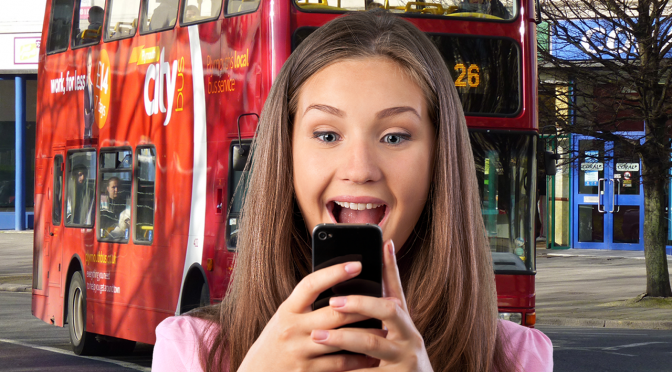
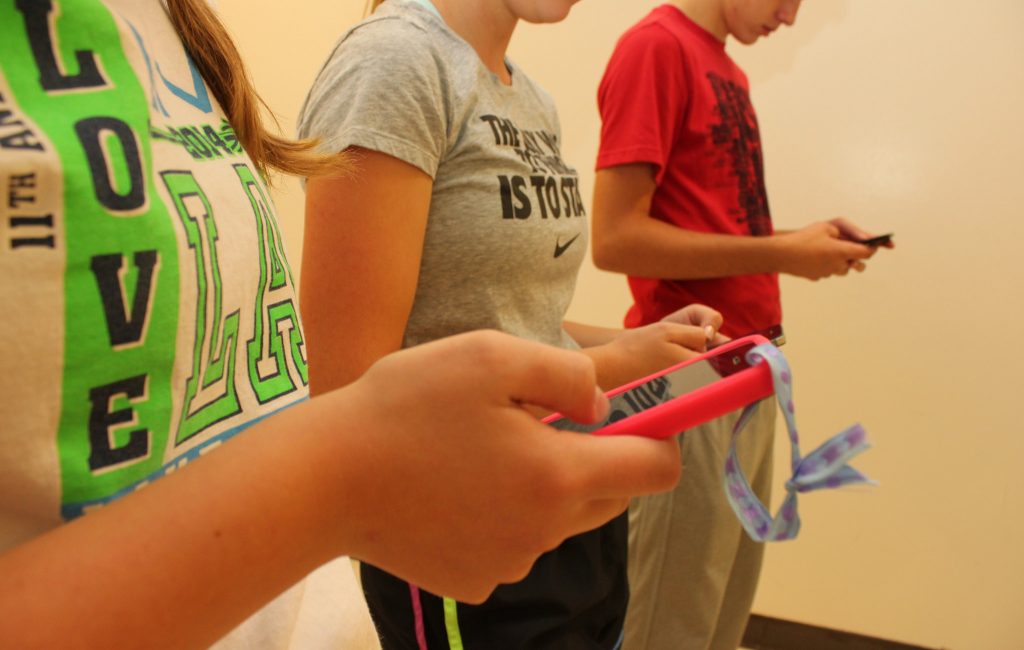
Most of us will already know this though, how could we miss it? You only have to travel on buses, trains and planes to see myriads of people sitting quietly staring at their smart phones, glued to Facebook, Snapchat or Twitter, scrolling through the latest news.
In restaurants alongside the place settin will sit a smartphone, ready at a moments notice to be snatched up and used to photograph a plate of food of a group selfie.
At rock concerts, the crowd is now lit up by mobile phone screens at they live stream or record a band whilst watching on those same screens, perhaps forgetting to watch and enjoy the band live rather than by proxy.
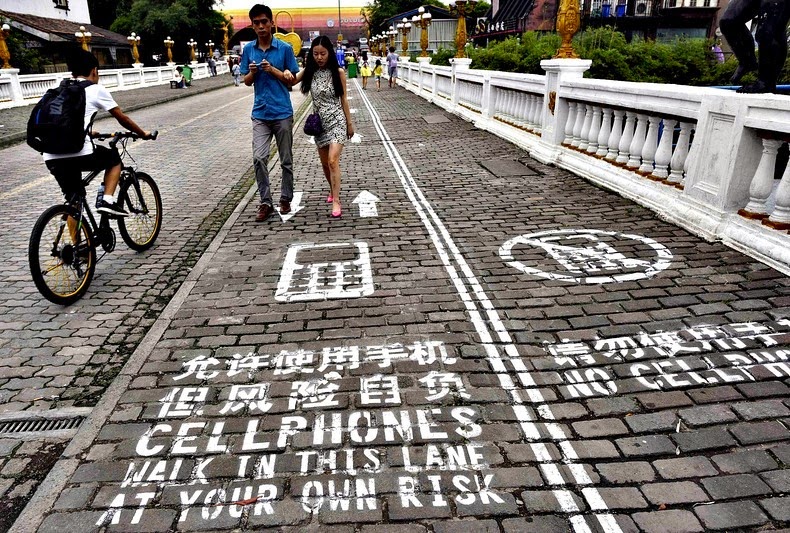
Photo credit: China Daily/Reuters
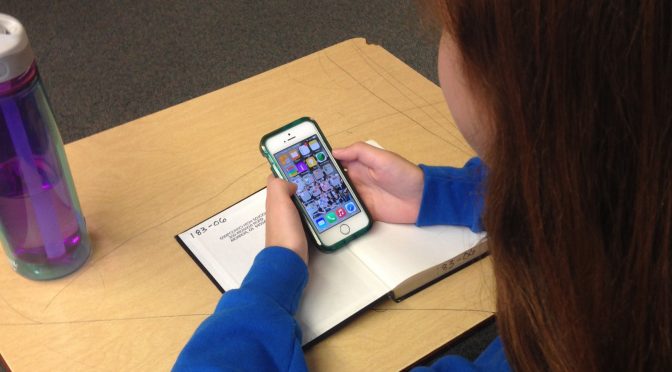
In homes across the world, millions of people are sitting scrolling through their devices, then standing and walking into the kitchen, the phone still in front of their faces, then to bed, when finally after another 10 minutes of messaging, the phone is plugged in to finally rest and recharge, it’s peace only broken in the middle of the night as a hand reaches out to grab it and check Facebook.
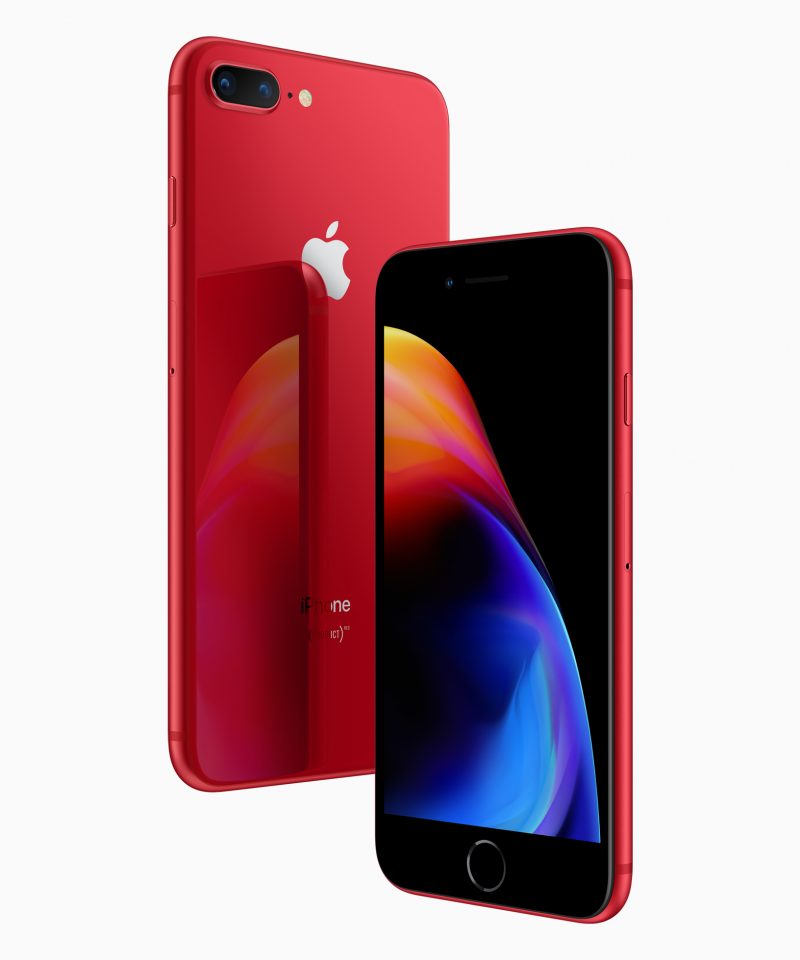
Image Credit: Apple
As morning breaks, a sleepy hand reaches out, slowly grabs the device and the day begins again.
This information overload is affecting peoples brains, our bodies are fooled by the blue light from an LCD screen and now we believe it is daylight 24 hours a day. We are conditioned to rely on our devices for everything, for affirmation from our friends, to give that affirmation back in a pre-formatted ‘Sending Hugs 🤗🤗🤗’ .
So, have we forgotten how to communicate? Are we now so reliant on our smartphones, that we no longer feel the need to use it for it’s original purpose? That of speaking to people and conveying our true feelings without relying on pre-programmed ’emotions’ invented by clever people in California.
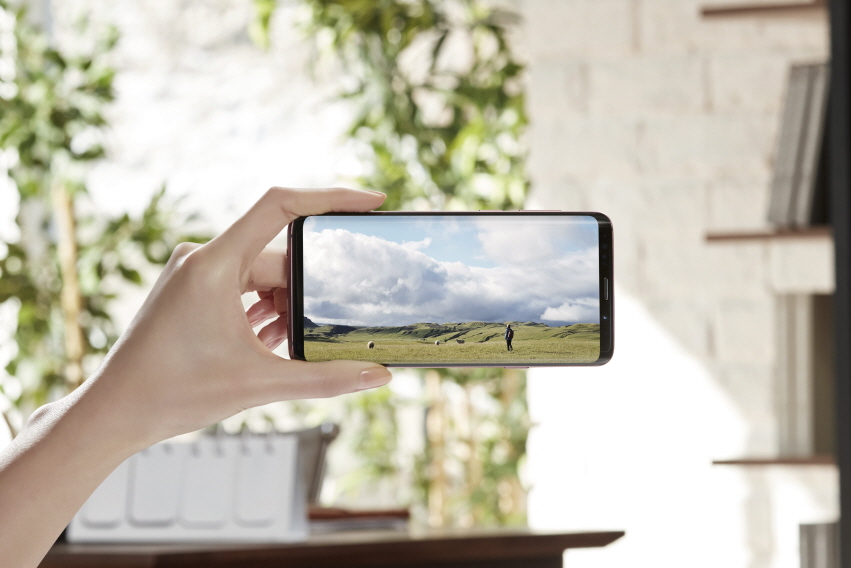
Image Credit: Samsung
Time will tell, but no amount of intervention by software giants will put that Genie back. We as a race have to take that step.
I spoke to Mark Murphy at BBC Radio Suffolk about the obsession with smart phones this morning. Listen to the stream above, I would love to read your comments on the subject.
Matt Porter
Gadget Man
[amazon_link asins=’B079X582LF,B075ZW3QV9,B075LYDD7Z’ template=’ProductCarousel’ store=’thgama03-21′ marketplace=’UK’ link_id=’286cb31c-965c-11e8-ac1f-23478c99e127′]


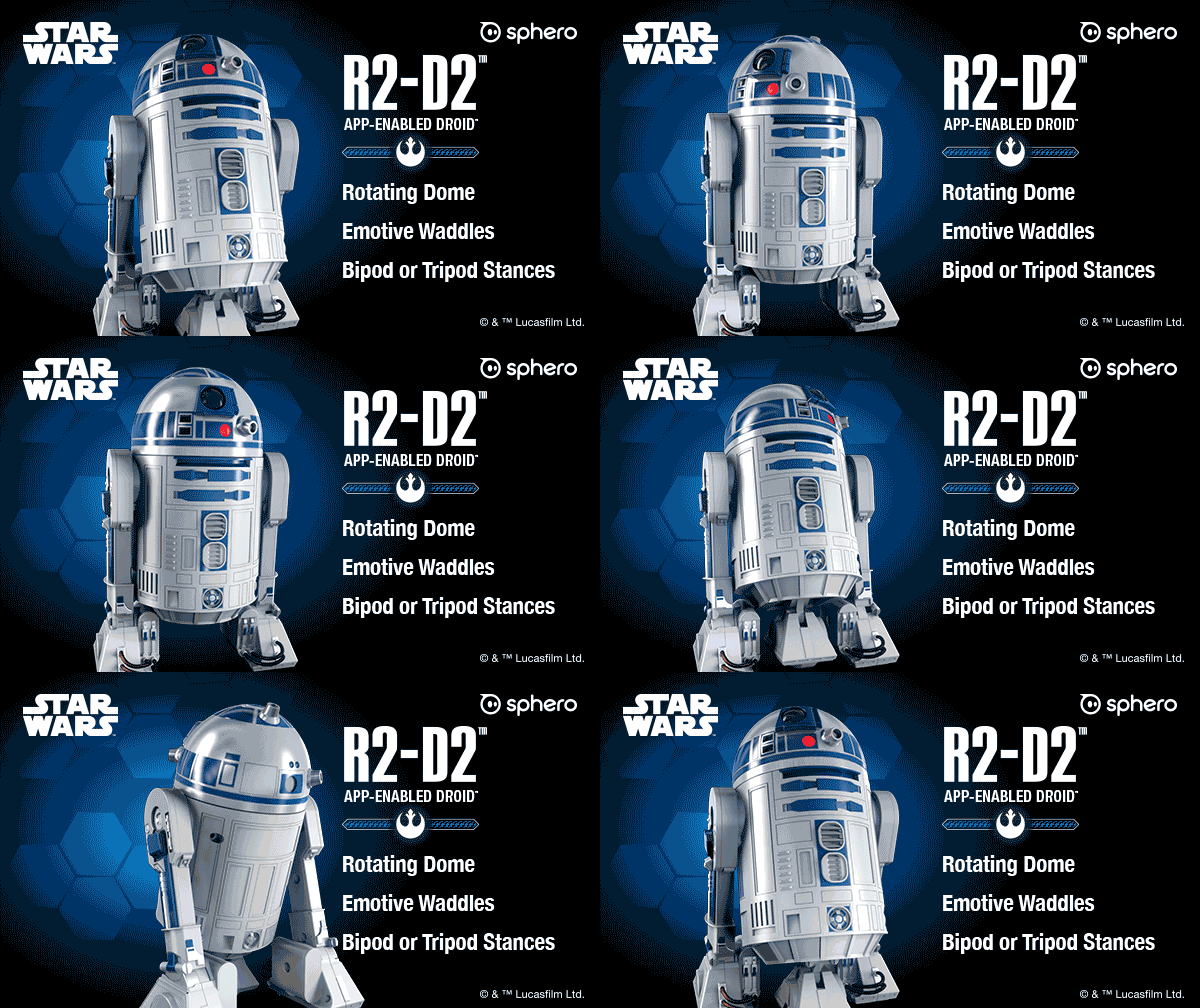
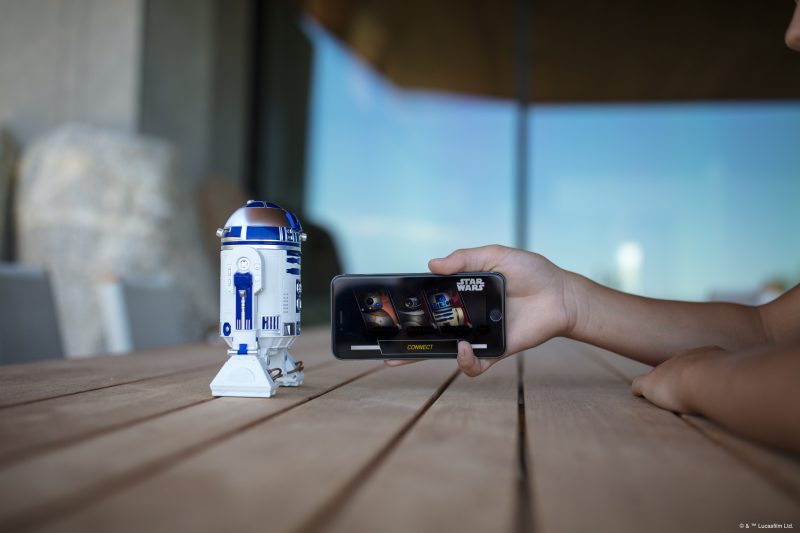 Artoo is controlled using Sphero’s Droid App (iOS or Android), after scanning for the app, you are presented with a selection screen showing the available droids within Bluetooth range, after selecting R2-D2 from the list he suddenly lights up and chirps. The app screen then shows controls for moving the droid and also for triggering his signature moves.
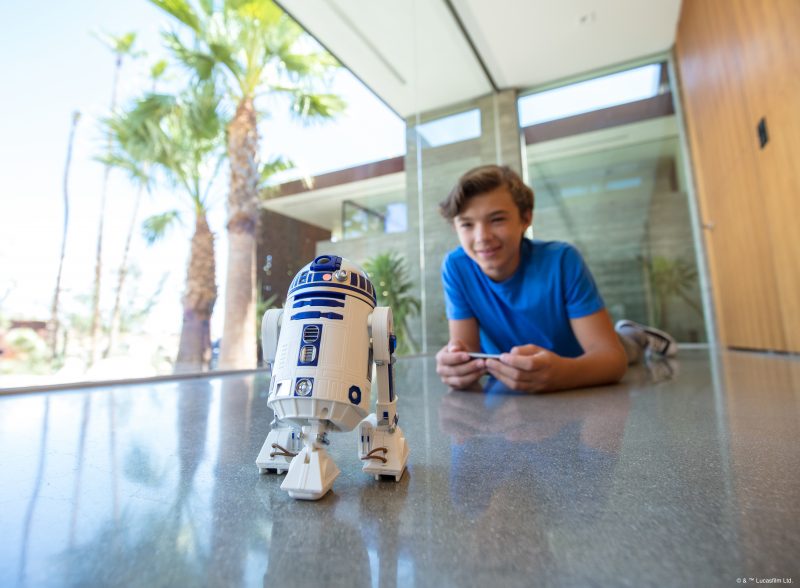 These moves really make the whole experience authentic as they mimic scenes from the film, such as when the Jawas disabled the droid and caused him to fall on his face in A New Hope. There are simply too many to detail here, but you could recreate pivotal scenes from Star Wars using these moves alone.
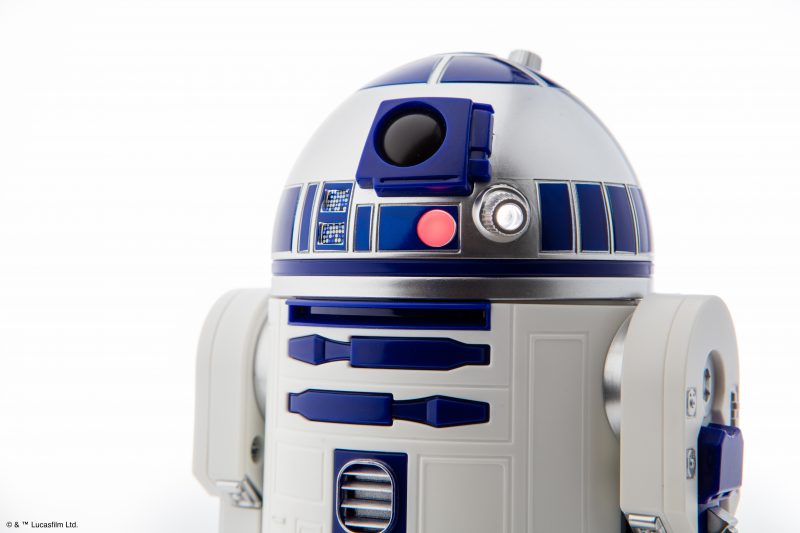 Aside from these features, the app also allows for Holographic Simulation and the ability to explore difference places and ship interiors from the Star Wars galaxy. It also supports Droid to Droid experience, where R2-D2 will interact with other Sphero Star Wars droids.
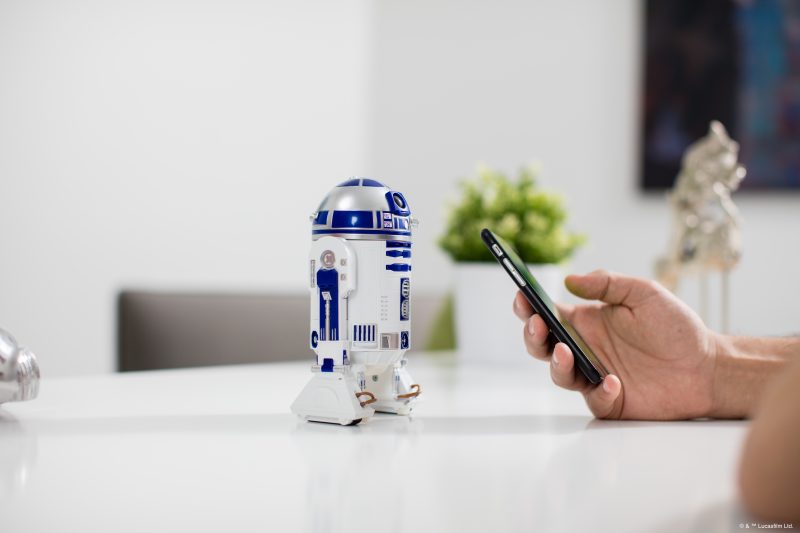 Charging the droid is done using the included stylised USB cable and will give over 1 hour of full use between charges.
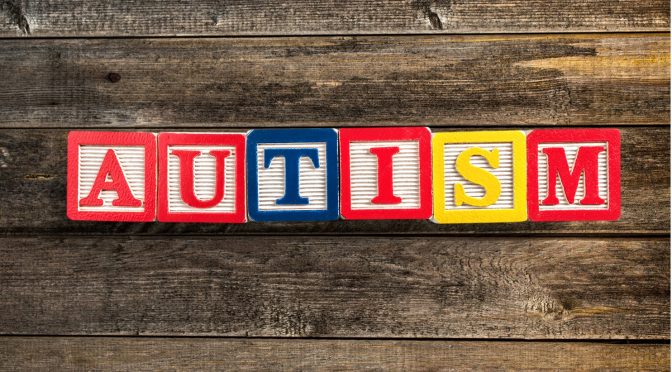
 Autism is a lifelong, developmental disorder that affects a person’s ability to communicate and relate to other people, and how that person experiences the world. It’s estimated that about 1 in 100 people are on the autism spectrum, with symptoms usually becoming apparent from early childhood. Some autistic people also have learning disabilities, mental health issues or other conditions, meaning they need different levels of support.