Tag Archives: road safety

Tyre Problems That Should Never Be Ignored

Your tyres are your car’s only point of contact with the road. Your tyres need to be fit for purpose at all times, and regular checks should be carried out to ensure that’s always the case.

It’s more than just checking a tyre that is correctly inflated — you can find this information online or in your manufacturer’s handbook if you’re unsure.

It’s about making sure you understand what tyres in good condition look like, and you know the warning signs of tyres that need repairs or recycling, because driving on unsuitable tyres is a recipe for disaster. At the very least, you’ll find yourself unable to drive with a deflated tyre. At worst, it can cause an accident and result in fines, a criminal record, a jail sentence and loss of life. It’s really not worth the risk.

So let’s take a look at some of the more common tyre problems you definitely shouldn’t ignore.

Tyre Pressure Loss

Tyres will, over time, deflate slightly, but if you’re noticing you’re needing to fill them with air more frequently, or you’re coming out to go to work in the morning, and you have a flat tyre despite having only just inflated them you have a slow puncture somewhere that’s allowing the air to escape.

Sometimes this happens over the course of a day or overnight; other times it’s slower over a few days. But if you’re noticing you have flat tyres frequently its time to get them checked

Some tyres can benefit from a puncture repair if they’re still in otherwise good condition and above legal tread limits. Especially if the offending object hasn’t damaged the tyre when it creates the puncture.

You can check yourself for the puncture, but it’s best to get it fixed by a proper technician, and for the most part, you can find same day mobile tyre fitting services to get you back on the road wherever you are.

Visible Punctures

There’s a difference between slow punctures and noticing debris in your tyre. If you see anything sticking out, be it a bit of metal, glass, nail, or anything, do not drive. Get your tyre replaced immediately. If you have breakdown cover when you spot a puncture, you might be able to use the services to get your tyre changed if you’re not at home or you’ve been driving on it.

Of course, you can change the tyre yourself if you’re able to too. But if you notice any visible damage or something in your tyres that shouldn’t be there, i.e. anything don’t drive, get it sorted, and remember to replace your spare tyre if you put it on, so you have back up if it happens again.

Sidewall Bulges

Sidewall bulges can happen anywhere on the tyre and are extremely dangerous to drive on. The bulge is caused by an increase in air pressure inside the tyre resulting from structural damage. It’s a sign the internal chords have broken, and the tyre is not fit for road use. And this can be down to hitting one too many potholes at speed, a defect in the tyre or climbing kerbs, for example.

Even if you can’t see the bulge in your tyre, you’ll feel it when you’re driving, your car will feel like it’s rolling over small bumps constantly and feel unstable to drive.

Sadly, there’s no fix for this type of damage, and the only solution is to get a completely new tyre. And when you do, make sure to check the wheel itself for any damage to make sure it’s just the tyre. If it’s not, then you need to get wheel repairs carried out before fitting a new tyre.

Uneven Tyre Wear

Your tyres should wear evenly; that goes without saying. But what they should do and what they actually do, don’t always go hand in hand, and different driving conditions can impact how your tyres wear when you’re driving.

If your tracking is out or your wheels aren’t balanced correctly, then you might find that your tyres wear out on one side more than the other, and this reduces grip on the road in both dry and wet conditions, and if you frequently travel at speed, then this is a recipe for disaster. But what if your tyres are wearing in the centre? This is likely due to overinflation and wear on both the outsides, whichis dirign with with underinflated tyres.

Continuing to drive with tyres in this condition puts you at risk of a fine if you’re caught by the police, increases stopping distances and increases the risk of accidents.

The key here is to get your tyres replaced and the alignment issues sorted at the same time, or check the right tyre pressure for your car so you don’t inflate them incorrectly.

Loss of Grip on Wet Roads

If it feels like you’re not as stable when driving in wet weather, or it’s taking you longer to stop when it’s raining, this is almost always a tyre issue. Again, they’re your point of contact with the road, and if they’re not in good condition, you’ll notice this all a lot more when driving in the rain.

And it’s down to low tread. You need to have at least 1.6mm of tread depth across the central portion of the tyre, but wet grip performance is lost well before you get to this limit.

You can check your tyre grip by using a 20p coin. The tread should cover the outer rim edge of the coin. If it doesn’t, it’s too shallow and you need new tyres as a matter of urgency.

Leaving tyre issues in the hope they’re “not that bad” or that they’re not impacting your driving is risky. Poor tyre condition leads to accidents and can land you in legal trouble, as your car needs to be roadworthy at all times.

Always check your tyres regularly for the correct level of inflation for invisible damage to any objects being stuck in the tyre or bulges on any part of the wheel. For the most part, visual checks will suffice, but take the time to physically touch it and have a more thorough check, so you’re not missing anything.

93-Year-Old Comedy Writer Says Nissan’s Self-Driving Cars Are the Future of Independent Motoring

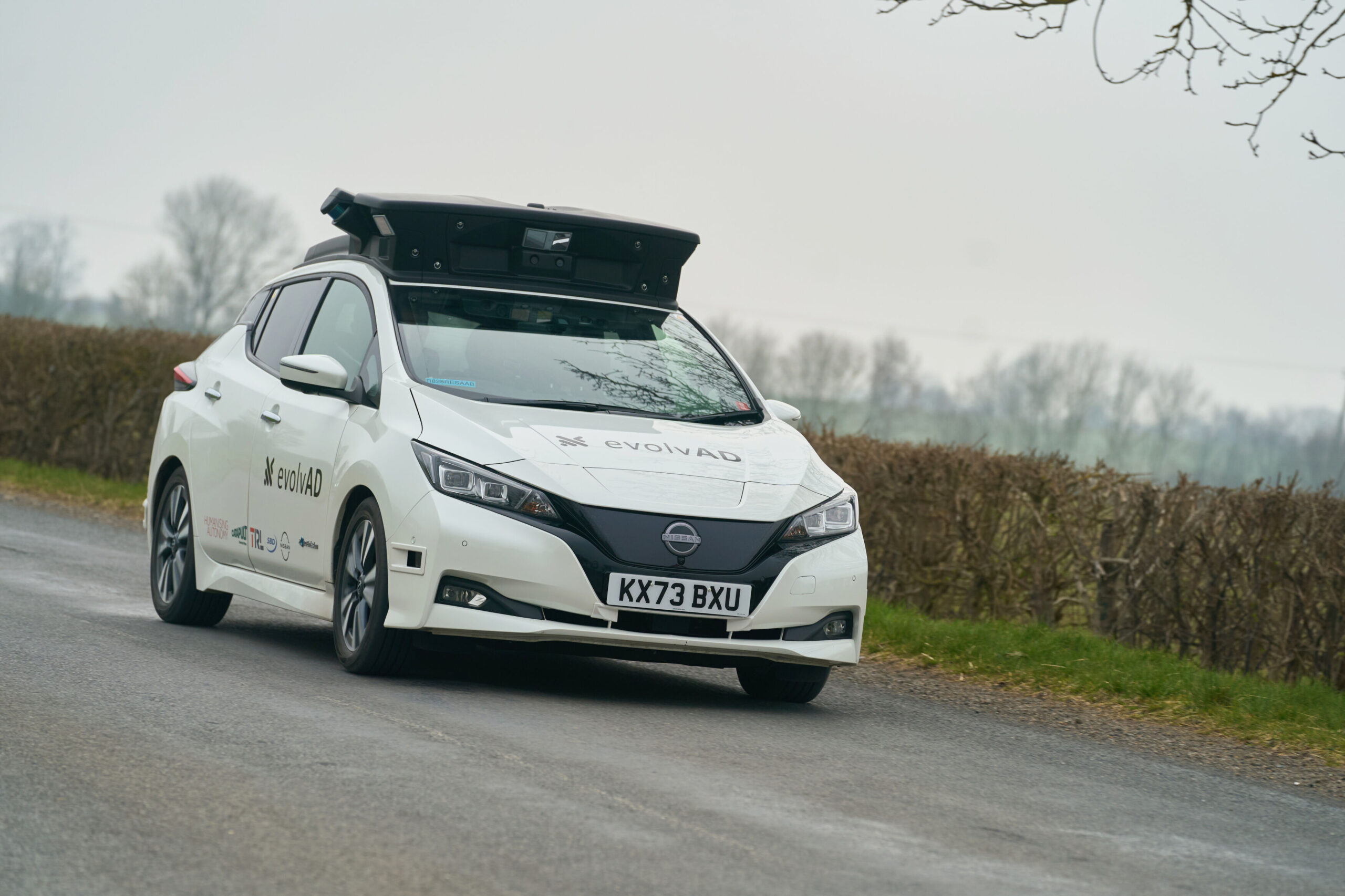
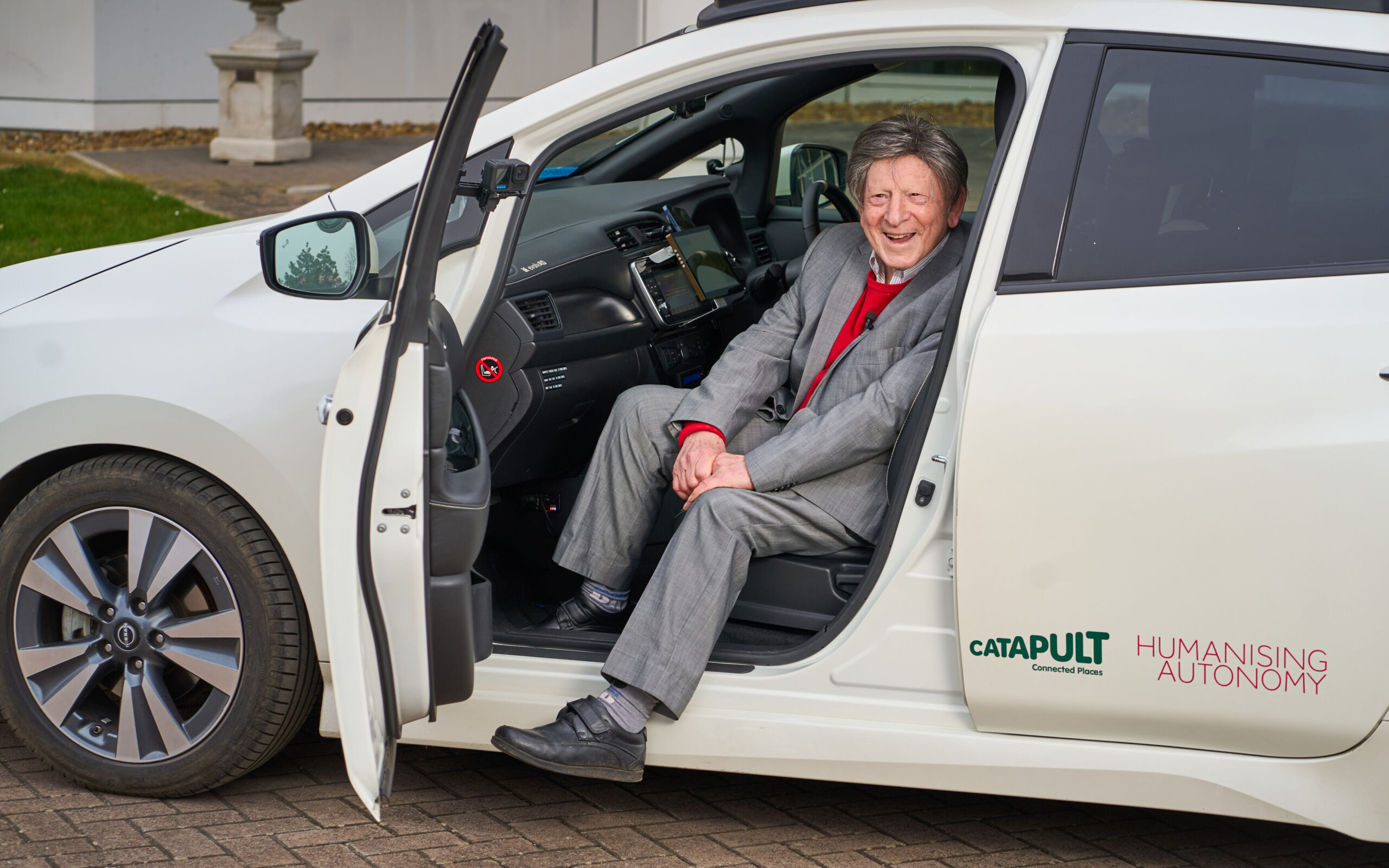
Brad Ashton, a lively 93-year-old grandfather and former comedy scriptwriter, recently experienced what he enthusiastically calls “the future of motoring” after taking a spin in Nissan’s autonomous driving car. Marking the successful conclusion of Nissan’s groundbreaking evolvAD project, Brad’s ride around the rural roads of Bedfordshire offered a glimpse into how self-driving vehicles could significantly improve the quality of life for older drivers.

93-Year-Old Comedy Writer Says Nissan's Self-Driving Cars Are the Future of Independent Motoring
93-Year-Old Comedy Writer Says Nissan’s Self-Driving Cars Are the Future of Independent Motoring
Photo credit: Simon Jacobs/PinPep

As someone who’s been behind the wheel since 1947, Brad relies heavily on his car—a trusty Nissan Micra—to maintain independence, run errands, and care for his wife, Valerie. His recent ride in the autonomous Nissan highlighted the potential for driverless technology to offer independence to older people, especially those living in rural areas with limited public transport.

Reflecting on his experience, Brad noted, “Cars were different back in 1947 – you had to crank them up – so I’ve always wondered what the cars of the future would be like, and this is it. I felt safe and relaxed throughout the experience. Tech like this could help many of us stay in touch with friends and family, reducing feelings of isolation.”

93-Year-Old Comedy Writer Says Nissan's Self-Driving Cars Are the Future of Independent Motoring
93-Year-Old Comedy Writer Says Nissan’s Self-Driving Cars Are the Future of Independent Motoring
Photo credit: Simon Jacobs/PinPep

Brad’s thoughts align closely with recent research commissioned by Nissan and conducted by OnePoll, involving 1,000 participants aged over 70. The survey revealed a significant demand for technologies that support independence in later life:

  • 64% of respondents expressed interest in future technologies like autonomous vehicles to help maintain their independence.
  • 63% indicated discomfort at the prospect of relying on others for everyday tasks such as shopping and transport.
  • Around a third (36%) of elderly individuals in rural areas admitted feeling socially isolated due to limited driving ability.

Moreover, a considerable portion (21%) emphasised the importance of face-to-face communication, expressing a preference for personal interaction over online alternatives. This highlights the critical role that accessible transportation plays in maintaining social connections.

Nissan’s evolvAD research project has impressively navigated more than 16,000 autonomous miles across diverse UK roads, from busy urban centres to quiet rural lanes, without any accidents. This achievement underscores the technology’s potential to dramatically enhance road safety and offer new mobility solutions for individuals who may otherwise struggle to get around independently.

David Moss, Nissan’s Senior Vice President of Research & Development for the AMIEO region, shared his optimism about the future, stating, “Our talented team at Nissan Technical Centre Europe in Cranfield will continue developing this exciting technology. Autonomous driving offers safer, cleaner, and more inclusive mobility, bringing huge benefits to older generations and individuals in rural locations.”

With pioneers like Brad Ashton advocating its benefits, the future of autonomous driving promises to help older adults maintain independence and connectivity, transforming their golden years into an era of continued adventure and social interaction.

Stay tuned to The Gadget Man for more updates on how innovative automotive technologies are shaping our future on the roads.

The Value of Dashcams: Protecting Yourself on the Road

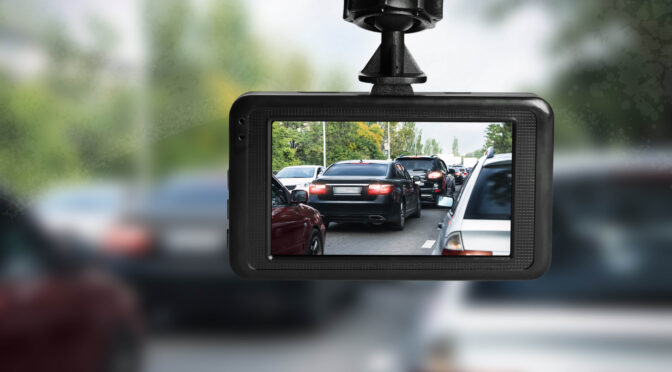
In today’s fast-paced motoring world, staying safe on the road is more important than ever. With accidents, fraudulent claims, and road rage incidents on the rise, a small but powerful gadget can make all the difference – the dashcam. Breakdown organisation GEM Motoring Assist has highlighted the increasing value of dashcams in ensuring safer roads and providing crucial evidence in case of incidents.

Why Invest in a Dashcam?

A dashcam is a small camera that mounts inside your vehicle to record the road ahead. Some models also include a rear-facing camera for full coverage. Dashcams have become significantly more affordable, with prices starting from as little as £20. This makes them an accessible tool for drivers looking to protect themselves from false claims, ‘crash-for-cash’ scams, and dangerous drivers.

James Luckhurst, GEM’s Head of Road Safety, emphasises the benefits: “If you’re a safe, conscientious driver, a dashcam helps protect your no-claims bonus, as well as allowing you to play your part in reporting offences, road rage incidents, and scams.”

Key Benefits of Using a Dashcam

  • Evidence in Case of Accidents: A dashcam provides clear footage that can help prove fault in an accident, protecting you against fraudulent claims.
  • Lower Insurance Premiums: Many insurers offer discounts to drivers who use dashcams, potentially reducing costs by up to 20%.
  • Theft and Vandalism Deterrent: Parking mode enables dashcams to record even when the vehicle is stationary, discouraging theft and vandalism.
  • Improved Driving Habits: New drivers can review footage to assess and enhance their driving skills.
  • Capturing Unexpected Moments: From close calls to beautiful scenic drives, your dashcam can record experiences worth sharing.

What to Look for in a Dashcam

If you’re considering purchasing a dashcam, here are some essential features to consider:

  • Video Quality: A minimum of 1080p resolution is recommended, with good low-light performance for night driving.
  • Wide-Angle Lens: A wider field of view ensures more road coverage.
  • GPS Functionality: Helps track speed and location, adding valuable data to recordings.
  • Loop Recording: Ensures continuous recording by overwriting old footage when the memory fills up.
  • Parking Mode: Offers surveillance when the car is parked, providing extra security.

The Legal Side of Dashcams

Dashcams are completely legal to use on UK roads, provided they do not obstruct the driver’s view. While they can be valuable in protecting you, it’s worth noting that dashcam footage can also be used against you in legal proceedings. If you’re at fault in an accident, your own dashcam could provide evidence to support a claim against you.

Additionally, if you submit footage of an offence to the police, you must be prepared to provide a statement and attend court if necessary. However, GEM notes that fewer than 2% of cases progress to a full trial.

How Dashcams Affect Insurance

A growing number of UK insurance providers recognise the benefits of dashcams and offer discounts to drivers who use them. Discounts typically range from 5% to 20%, depending on the insurer. The rationale is simple: dashcam users tend to be safer drivers, reducing the likelihood of accidents and fraudulent claims.

Final Thoughts

With the price of dashcams dropping and their benefits increasing, now is an excellent time to invest in one. As James Luckhurst concludes: “Fitting a dashcam is a sound move for road safety. Once installed, it’s good to know it can protect you in incidents where it might otherwise be your word against someone else’s.”

That said, a dashcam should complement—not replace—safe and courteous driving. By maintaining care, courtesy, and concentration on the road, we can all contribute to making UK roads safer for everyone.

For a more in-depth guide to fitting and using a dashcam, check out the Spring 2025 edition of GEM’s Good Motoring magazine.

Why Your Teen’s E-Scooter Could Cost You Hundreds on Car Insurance

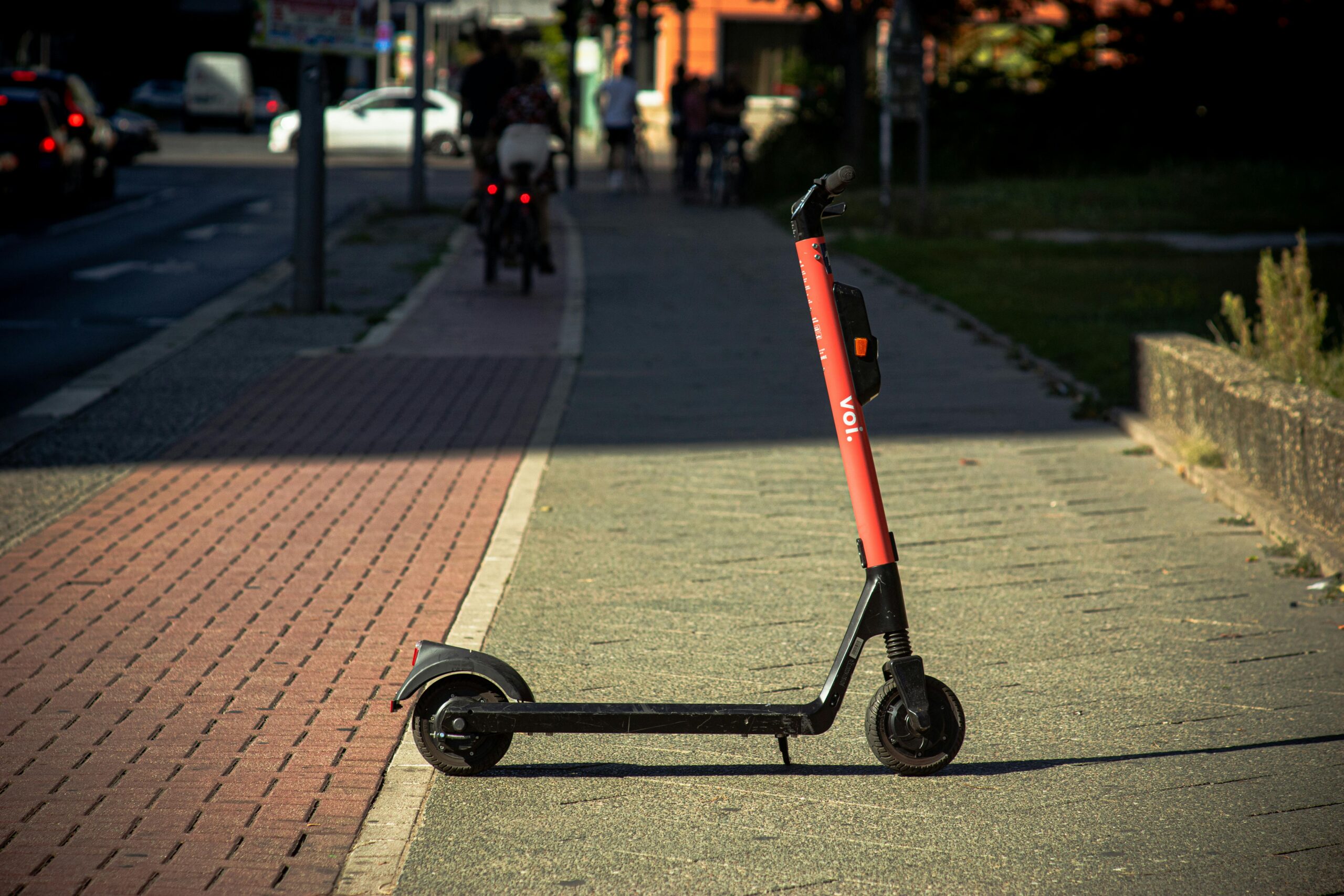
E-scooters have become the modern-day alternative to bicycles for teens, zipping around town with an electric hum. But before you buy your teenager one of these nifty rides, there’s something you might not have thought about: their e-scooter could drive up your car insurance premiums by hundreds of pounds. Let me explain.


Why Your Teen’s E-Scooter Could Cost You Hundreds on Car Insurance

Why E-Scooters Seem Like the Sensible Option

With the cost of getting a 17-20-year-old on the road exceeding £7,600 for the first year according to MoneySuperMarket’s Household Money Index, it’s easy to see the appeal of e-scooters. They’re cheaper to buy, easier to maintain, and cost far less to run than a car. Maintenance costs are lower too—no oil changes, no MOT, and far fewer moving parts that could break down.

On the surface, they seem like a smart, budget-friendly alternative for getting to school, university, or work. But here’s where things get tricky.


E-Scooters and the Hidden Insurance Cost

Privately-owned e-scooters are illegal on public roads and pavements in the UK, a fact many parents might not be aware of. According to Transport for London, if your teenager is caught riding an e-scooter on a public road, they could face six penalty points and a £300 fine. Here’s the kicker: if they’re under 17, those penalty points could be passed directly onto the parent’s licence.

And if you thought six points were no big deal, think again. According to MoneySuperMarket, the average annual car insurance premium in 2024 was £838.99. With six points on your licence, that figure jumps to £1,081.93. That’s an extra £243 a year—just for letting your kid take a spin on an e-scooter.

For young drivers, the impact is even worse. They already face high premiums due to lack of experience, and six points could push insurance costs into unaffordable territory for years to come.

Why Your Teen’s E-Scooter Could Cost You Hundreds on Car Insurance

The Long-Term Consequences

Here’s another thing to consider: if your teen gets caught riding without insurance (which is currently impossible to obtain for private e-scooters), the points could be held on a “ghost” licence by the DVLA. When they later apply for their driving licence, those points could be added instantly, leading to automatic disqualification before they even hit the road.


The Rising Risk of E-Scooter Accidents

E-scooters may be convenient, but they’re not without their risks. Official figures estimate that 750,000 privately-owned e-scooters are now in use across the UK, and accidents involving them are rising. The Department for Transport (DfT) reported 1,292 e-scooter accidents in 2023, with 1,387 casualties, of which 80% were riders. Tragically, six riders lost their lives.

What’s particularly worrying is that a significant portion of these injuries involves young people. A third of all e-scooter collisions involve riders under 19, and 23% of those injured are teenage males.

According to research from PACTS, private e-scooters are far more dangerous than their public rental counterparts, accounting for 87% of fatalities between 2019 and 2022. The higher speeds of privately-owned models—often exceeding the legal limit of 15.5mph and sometimes reaching 50mph or more—are a major contributing factor.


What the Law Says

Privately-owned e-scooters are subject to the same rules as cars, meaning they require a licence, insurance, and tax—none of which can currently be obtained. The only legal way to ride an e-scooter on public roads is through a government-approved rental scheme, available in 30 trial areas across the UK.

In these schemes, e-scooters are speed-limited and come with stricter safety regulations. Here are a few of the cities where trials are running:

  • London
  • Liverpool
  • Cambridge
  • Bournemouth and Poole
  • Oxford
  • Bristol and Bath

So, if you’re determined to let your teen experience the e-scooter life, renting one in an approved area is the safest legal option.


The Bottom Line: Think Before You Buy

Sure, e-scooters are fun, eco-friendly, and cost-effective—but the legal risks and hidden financial costs can’t be ignored. As Alicia Hempsted, car insurance expert at MoneySuperMarket, puts it:

“Allowing a young person to ride a privately owned e-scooter on public roads can lead to serious repercussions for the parents, and it’s important to be aware of these potential costs and legal issues before making such a decision.”

Before you hit “buy” on that shiny new e-scooter, consider the potential impact on your family’s insurance and legal standing. Sometimes, what seems like a budget-friendly solution could end up being a costly mistake.


This article references information and data from MoneySuperMarket’s Household Money Index and car insurance insights. For more details, visit MoneySuperMarket.