Tag Archives: Emergency Services

AWS, Middle East Escalation and a Very Real Reminder That the Internet Is Physical

Over the weekend something unusual happened.

The AWS Health Dashboard lit up with warnings across the Middle East regions, while at the very same time global news outlets were reporting escalating military action across the Gulf.

If you run infrastructure in the cloud, or even if you just assume “the cloud” is always there, this was a sobering moment.

Let’s unpack what actually happened.


What Amazon Web Services Said

According to the official AWS Service Health Dashboard:

“Objects struck the data centre, creating sparks and fire.”

That is not typical outage language.

AWS reported that two Availability Zones in the ME-CENTRAL-1 region were impaired due to a localized power issue. Power was shut off while emergency services responded, and recovery would require:

  • Repair of facilities
  • Restoration of cooling systems
  • Restoration of power systems
  • Coordination with local authorities
  • Safety assessments before re-energising the site

Customers were strongly advised to fail over to alternate regions, ideally in Europe.

This was not a minor API hiccup. EC2, S3, DynamoDB, the AWS Management Console and dozens of other services experienced elevated error rates.

The cloud, quite literally, caught fire.

Source: AWS Service Health Dashboard


At The Same Time… The World Was On Edge

Simultaneously, live coverage from BBC News reported dramatic escalation in the region:

  • Iranian strikes on a major gas plant in Qatar
  • A refinery fire in Saudi Arabia
  • Drones intercepted over Cyprus heading towards a UK base
  • Escalating conflict involving Israel, Lebanon and Iran
  • Reports that Iran’s Supreme Leader had been killed in US and Israeli strikes

Gas prices reportedly spiked sharply on international markets.

Source: BBC Live Coverage

AWS has not explicitly linked its data centre incident to military activity.

But when you read phrases like “objects struck the data centre” in the same time window as confirmed missile and drone activity across the Gulf, the coincidence is difficult to ignore.


The Myth of the Abstract Cloud

We talk about:

  • Serverless
  • Containers
  • Regions
  • Availability Zones
  • Multi-AZ architecture

All wonderfully abstract.

But this weekend was a reminder that the cloud is:

  • Concrete buildings
  • Power substations
  • Cooling plants
  • Diesel generators
  • Fibre routes
  • Security perimeters

Remove electricity and you remove the cloud.

Damage cooling systems and you shut down racks.

If local authorities tell you to keep power off, your “infinite scalability” suddenly looks rather finite.


Why This Matters To You

If you deploy only in one region, you are accepting regional geopolitical risk whether you realise it or not.

AWS always recommends multi-AZ design. Many organisations stop there.

But this incident affected more than one Availability Zone in the same region. That is the critical detail.

Multi-region redundancy is no longer theoretical resilience planning. It is operational reality.

If your backups sit in the same geography as your primary systems, that is not true disaster recovery.


The Bigger Lesson

We spend huge amounts of time worrying about:

  • Cyber attacks
  • Zero day exploits
  • Ransomware
  • Misconfigured S3 buckets

Yet physical risk is often treated as someone else’s problem.

This event shows that geopolitical instability can ripple directly into cloud availability.

Cloud providers are extraordinary at redundancy. But they are not immune to real world events.

When missiles fly and power grids are shut down, even hyperscale infrastructure feels it.


Final Thoughts From The Server Rack

I have long argued that we live in a world where digital and physical are inseparable.

This weekend was a perfect example.

A regional conflict.
Energy infrastructure under threat.
Data centres hit.
Gas markets spike.
APIs fail.

The internet is not floating in the ether. It is bolted to the floor.

If you are running production workloads, ask yourself one simple question:

If my region goes dark for 24 hours, what happens next?

If the answer is panic, then this weekend was your warning shot.

As ever, the smartest architecture is not the cleverest. It is the most resilient.

And resilience, increasingly, means geography.

Apple Unveils the iPhone 16e – The Affordable Powerhouse

Apple has just dropped a brand-new addition to the iPhone 16 lineup—the iPhone 16e. This model is designed to deliver cutting-edge performance and Apple Intelligence at a more affordable price, making it a compelling choice for users looking for premium features without the premium price tag.

Apple Unveils the iPhone 16e – The Affordable Powerhouse

Design and Display

The iPhone 16e follows Apple’s signature sleek design ethos with a durable build, available in elegant matte black and white finishes. The device features a 6.1-inch Super Retina XDR OLED display, providing vibrant colours and crisp text, perfect for streaming HDR content, gaming, and everyday tasks. It also boasts IP68-rated water and dust resistance, ensuring it can handle the rigours of daily life.

Performance Boost with A18 Chip and Apple C1 Modem

Under the hood, the iPhone 16e is powered by Apple’s latest A18 chip, delivering exceptional speed, efficiency, and AI-powered enhancements. The C1 modem, Apple’s first in-house cellular modem, ensures fast and reliable 5G connectivity while also improving power efficiency, further enhancing battery life.

Speaking of battery life, Apple claims that the iPhone 16e lasts up to six hours longer than the iPhone 11 and up to twelve hours more than previous iPhone SE models, making it the best 6.1-inch iPhone in terms of battery longevity.

Camera System: A 48MP Fusion Camera with 2x Telephoto

Photography enthusiasts will love the 48MP Fusion camera system, which allows for high-resolution shots with enhanced computational photography. The integrated 2x telephoto lens provides optical-quality zoom, making it feel like having two cameras in one. Features such as Night Mode, Portrait Mode, and Smart HDR ensure stunning photos in all lighting conditions. The front-facing TrueDepth camera offers autofocus for sharper selfies and enhanced Face ID functionality.

Apple Intelligence and AI Integration

A significant highlight of the iPhone 16e is its support for Apple Intelligence. This AI-powered system introduces advanced features such as:

  • Image Cleanup Tool – Easily remove distractions from photos.
  • Genmoji – Custom emoji creation.
  • Improved Siri – More conversational and able to maintain context across multiple interactions.
  • ChatGPT Integration – Built directly into Siri and Writing Tools, allowing users to access AI-generated assistance seamlessly.

Action Button for Quick Access

The iPhone 16e features the Action Button, first introduced on the iPhone 15 Pro series. Users can customise it to launch the camera, activate Shazam, switch focus modes, or even trigger in-app functions.

Satellite Connectivity and Safety Features

Apple continues to lead in emergency communication with the inclusion of satellite-based features such as:

  • Emergency SOS – Contact emergency services when out of cellular range.
  • Roadside Assistance – Access help via satellite in case of car trouble.
  • Find My via Satellite – Share location with loved ones, even in remote areas.
  • Crash Detection – Automatically dials emergency services in the event of a severe accident.

iOS 18 and Customisation Options

The iPhone 16e runs iOS 18, introducing new personalisation options, enhanced privacy settings, and redesigned Control Centre for improved accessibility. Users can now customise their Home Screen with dark or tinted app icons and arrange widgets more freely.

Pricing and Availability

Apple has positioned the iPhone 16e as a budget-friendly yet powerful device, starting at £599 in the UK. Pre-orders begin on February 21, with availability set for February 28. The device will be available in 128GB, 256GB, and 512GB storage options.

Final Thoughts

The iPhone 16e delivers an impressive mix of premium features and affordability, making it a strong contender for those looking for top-tier Apple performance without breaking the bank. With the A18 chip, improved battery life, AI-driven features, and a robust camera system, the iPhone 16e is set to be a popular choice in 2025. Stay tuned for a hands-on review soon!

Global Windows Crash Crisis: Crowdstrike Falcon Sensor Update “Defect” Disrupts Key Sectors Worldwide

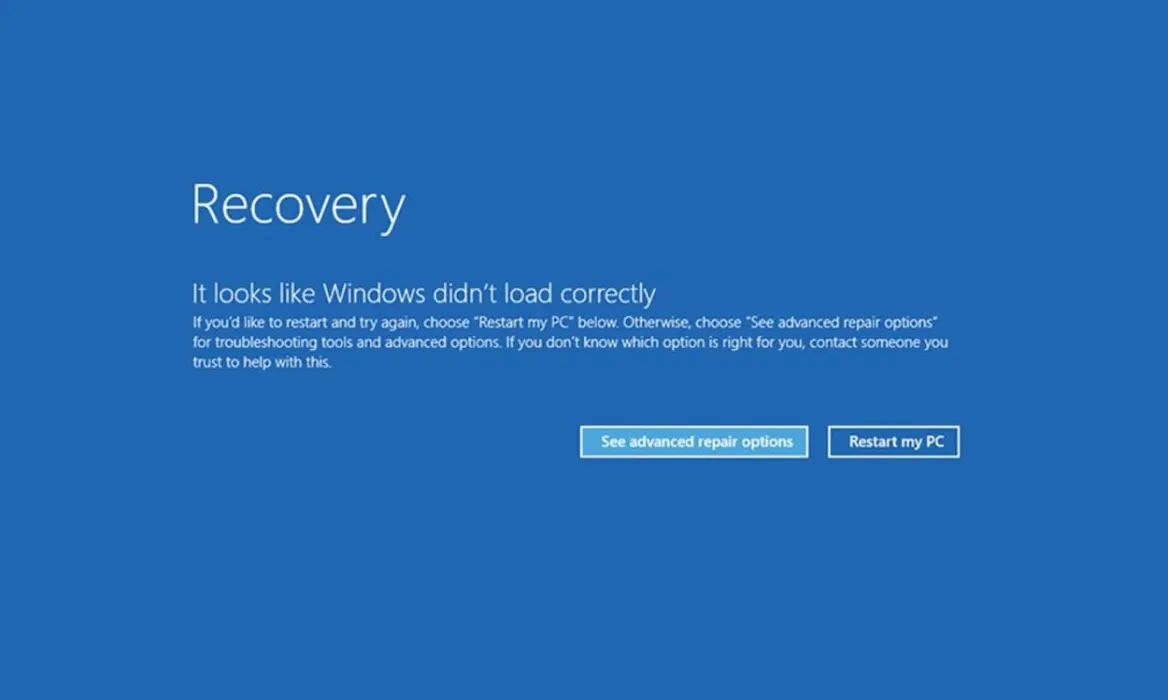
Today, I’m addressing a significant issue affecting numerous Windows users worldwide. Reports have emerged of widespread crashes, commonly referred to as the “blue screen of death,” impacting various critical sectors, from transportation to banking and media.

I spoke with Sarah Julian at BBC Radio WM about the worldwide problems that continue to persist

Understanding the Issue:

The root cause of these crashes has been traced back to an overnight software update for CrowdStrike’s Falcon Sensor. For those unfamiliar, Falcon Sensor is a security tool designed to act as a sentinel for your computer, monitoring and protecting against malicious activities. A single corrupted system file from this update is causing Windows systems to crash upon booting.

Why This Matters:

Windows holds a substantial market share, with 72% of global computers running this operating system. The automatic update to Falcon Sensor has inadvertently introduced a fault, leading to these severe crashes. The update, once applied, seems to corrupt system functionality, causing the dreaded blue screen on countless machines.

Impact Across Sectors:

The ripple effect of this issue is profound. The update has disrupted services across various sectors:

  • Transportation: Both train and plane operations have been hampered.
  • Banking: Financial institutions are facing operational challenges, with payment systems affected.
  • Media: Broadcast systems have been affected, causing interruptions, including Sky News and CBBC.
  • Healthcare: NHS GP surgery systems are impacted, with reports of doctors having to handwrite prescriptions.
  • Emergency Services: Even essential services like emergency call centres have not been spared.
  • Airports: Airports, including Birmingham Airport, have reported issues with check-in services, and operations at the Port of Dover are also impacted.

Al Lakhani, CEO of IDEE, said:

“Many people might be thanking Microsoft for their accidental day off, but countless businesses are suffering due to Microsoft’s and their partners’ failure to maintain their services. This incident underscores the importance of businesses thoroughly researching and vetting their cybersecurity solutions before implementation. Microsoft clearly fell short in this regard, and we are witnessing a cascade of operational failures around the world as a result.”

“CrowdStrike’s platform approach, which relies on a single agent focused on detection, might seem good at first glance, but as we can see, it can create significant issues. For instance, agents require installation and maintenance of software on multiple different OSes, adding layers of complexity and potential points of failure. Moreover, agents can become a single point of failure, as a bad update can compromise the entire network, as seen with the SolarWinds attack.

“The lesson here is blindingly obvious: investing in cybersecurity is not just about acquiring the latest or most popular tools but ensuring those tools are reliable and resilient. This is why businesses must prioritise agentless solutions like MFA 2.0, which reduce the risk of widespread failures and ensure more resilient defences.”

Cloudstrike Falcon Sensor Blue Screen of Death BSOD Global Outage

Current Status and Actions:

Microsoft has acknowledged the problem and stated that a fix is in place. However, this does not immediately rectify the situation for all affected devices. Many computers remain non-functional, and a manual fix may be required. One proposed solution involves removing the corrupted update link to restore system operations.

Security Concerns:

This incident raises critical questions about our reliance on third-party providers and the level of access they have to our systems. The Falcon Sensor update had kernel-level access, the deepest level of system access, which allowed it to cause such widespread disruption.

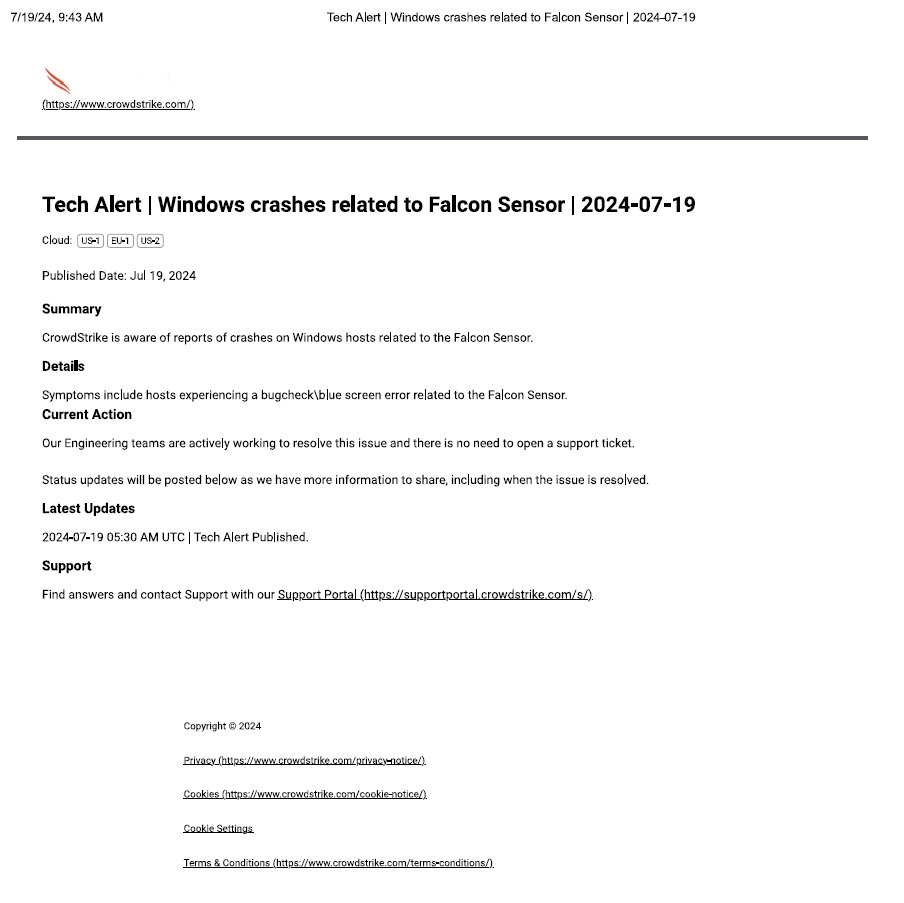
Tech Alert Windows Crashes Related to Falcon Server

Moving Forward:

As we navigate this challenging situation, it’s essential to stay informed and take proactive steps to secure our systems. Further updates will be provided as new information becomes available and solutions are implemented.

For now, if you’re experiencing issues, consult with your IT department or follow the suggested manual fix to remove the problematic update. Manual intervention is likely to be needed to address the corrupted system file causing the crashes. Stay vigilant and prioritise your system’s security.

Lithium-Ion Batteries: Dangers and Safety Measures

Lithium-ion batteries have become ubiquitous in our everyday life, powering everything from our smartphones and laptops to electric vehicles and even some of our home appliances. But like most technological advancements, they come with their own set of risks. In this post, we’ll delve into the potential dangers of lithium-ion batteries and how we can take steps to mitigate these risks and keep ourselves safe.

Lithium-Ion Batteries: Dangers and Safety Measures

Understanding the Risks

Let’s take a closer look at the potential dangers associated with lithium-ion batteries:

1. Thermal Runaway and Fire Risk: This is the most significant danger. Thermal runaway is a chain reaction within the battery that can result in the release of a large amount of energy in a short time. This process can be triggered if the battery is overcharged, physically damaged, or exposed to excessive heat, leading to an internal short circuit. The ensuing heat can cause the battery to ignite or even explode. What’s more, the fires resulting from lithium-ion batteries are notoriously difficult to extinguish because the battery essentially fuels itself.

2. Toxic and Corrosive Materials: Lithium-ion batteries are filled with potentially toxic and corrosive materials. If the battery leaks or is punctured, these substances can escape, leading to burns upon contact and respiratory problems if inhaled.

3. Overcharging and Overheating: Overcharging or charging at a temperature too high can severely damage lithium-ion batteries, increasing the risk of thermal runaway.

4. Environmental Hazards: This may not pose an immediate personal danger, but it’s an important point nonetheless. The extraction of lithium and other metals used in these batteries can lead to environmental degradation, and improper disposal contributes to pollution.

5. Swelling: In certain situations, lithium-ion batteries can experience swelling due to gas buildup triggered by factors such as overcharging, overheating, or physical damage. This swelling can potentially rupture the battery or damage the device housing it.

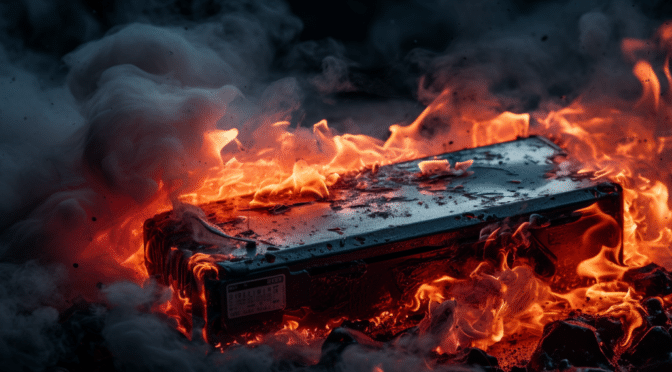
professional stock photo of an electric bike laying on it's side on a road in London a small lithium-ion fire in it's battery -ar 21:9
professional stock photo of an electric bike laying on it’s side on a road in London a small lithium-ion fire in it’s battery -ar 21:9

Keeping Safe: Steps to Mitigate the Risks

Awareness of these risks is the first step to safety. Here are some preventive measures we can adopt:

1. Correct Charging Practices: Use the charger that comes with your device whenever possible, as it’s designed to protect your battery. Avoid overcharging your appliances and ensure they are charged at a moderate temperature.

2. Mind the Temperature: Lithium-ion batteries don’t fare well under high temperatures, so keep your devices away from direct sunlight or hot cars. Similarly, extremely cold environments can also affect the battery’s performance and lifespan.

3. Physical Protection: Avoid causing physical damage to the batteries. A puncture or severe impact can lead to internal short-circuiting, increasing the risk of thermal runaway.

4. Regular Inspection: Watch out for any signs of battery damage, such as bulging, excessive heat, or leaking. If you notice anything unusual, stop using the device and contact the manufacturer or a professional.

5. Safe Disposal: Don’t just toss your old devices into the regular trash. Many retailers and local waste facilities will accept old electronics for recycling. This helps to minimize environmental impact.

Lithium-ion batteries have made our life wirelessly efficient, but with this convenience comes responsibility. Following these safety measures can help us enjoy our devices while minimizing potential hazards. After all, as with most things in life, prevention is better than cure.

What steps should be taken when a lithium fire happens?

Dealing with a lithium-ion battery fire requires special precautions due to the intense heat and potentially toxic fumes they can generate. Here are steps to take in case of a lithium-ion battery fire:

  1. Call Emergency Services: The first and most important step is to alert the authorities.  Call 999! While waiting for their arrival, try to evacuate the building or area to ensure personal safety.
  2. Evacuate the Area: Lithium-ion battery fires can release toxic fumes. Ensure everyone has evacuated the area and maintain a safe distance from the fire.
  3. Ventilate the Area: If it is safe to do so, open windows or doors to provide ventilation and disperse the fumes.
  4. Do Not Attempt to Move the Battery or Device: A burning or overheating lithium-ion battery can explode, so it’s vital not to move the device or attempt to remove the battery.
  5. Let the Fire Burn Out: Sometimes, the safest action is to let the fire burn out on its own while ensuring it doesn’t spread. This may be the safest option if the fire cannot be extinguished or if it reignites.
  6. Fire Extinguishers: In the event of a lithium-ion battery fire, using a traditional fire extinguisher might not be effective, and could potentially exacerbate the situation. Here’s why:

    Electrolyte Spreading: Using a traditional fire extinguisher, which usually expels a forceful stream of extinguishing agent, could spread the burning electrolyte present in lithium-ion batteries, potentially expanding the area of the fire.

    Ineffectiveness at Cooling: Traditional fire extinguishers aren’t as effective at cooling the fire down to temperatures where reignition won’t occur. One of the primary dangers of a lithium-ion battery fire is that it can reignite after being initially extinguished if the battery remains above its self-ignition temperature.

    Chemical Reactions: Some fire extinguishing agents might not react well with the materials in the battery, potentially leading to harmful chemical reactions.

Remember, never put yourself or others at unnecessary risk. Always wait for professional help if the fire is too large or dangerous to handle.

The Fire Safety Stick.

Finally, prevention is the best approach to lithium-ion battery fires. Always use and maintain devices according to the manufacturer’s instructions, and monitor them for any signs of swelling, overheating, or other unusual behaviour.