Tag Archives: customer trust

How to Make Your Customer’s Experience Better

Creating a great customer experience is one of the best ways that you can help your business to grow. People are always going to be more likely to return to a business that makes them feel valued, respected, and supported through the buying process from start to finish. Even making some small improvements to this process leaves a lasting impression, especially if those improvements have come off the back of customer experiences and reviews. This allows you to build some strong customer relationships over time. Improving customer experiences doesn’t have to require some big changes, and you don’t have to outlay too much money either. Often it just comes down to making things easier and more enjoyable for the people who are buying from you, and it can start with making payments more simple.

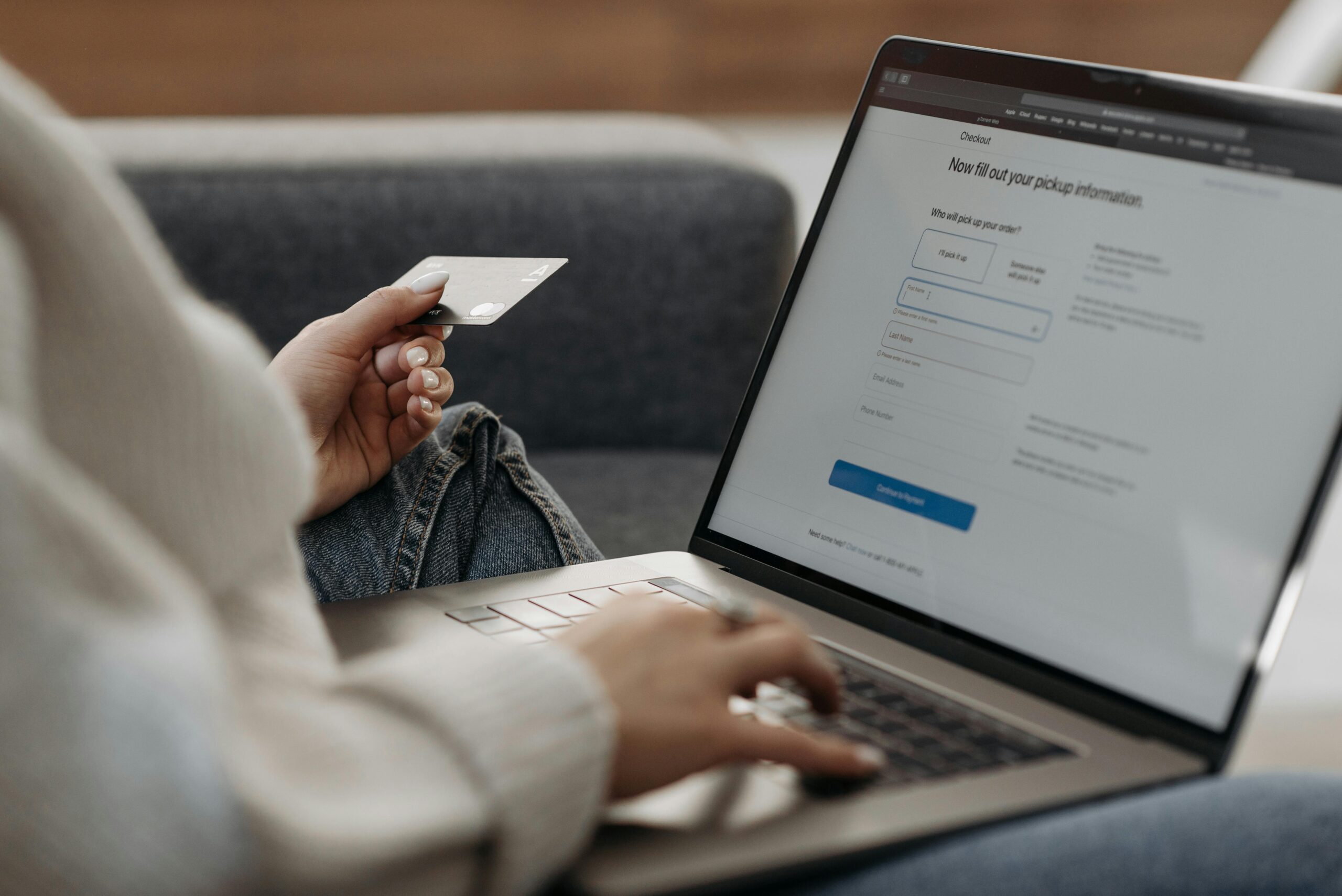
One of the fastest ways that you can frustrate your customers is with a difficult checkout process. People want payments to fill fast and securely, whether they’re shopping online or not. Businesses that operate in more complex industries may also benefit from working with a high risk payment processor to help create smoother transaction experiences and reduce payment issues for customers. When the checkout process feels easy, customers are more likely to complete their purchases and return again in the future. The same can be said for responding quickly to questions. Nobody enjoys waiting days for a reply to a simple question. With faster communication, you can make your customers feel important and reassured, especially if they need help before making a purchase. Even if you can’t solve the issue immediately, sending a quick response to acknowledge the customer makes a big difference.
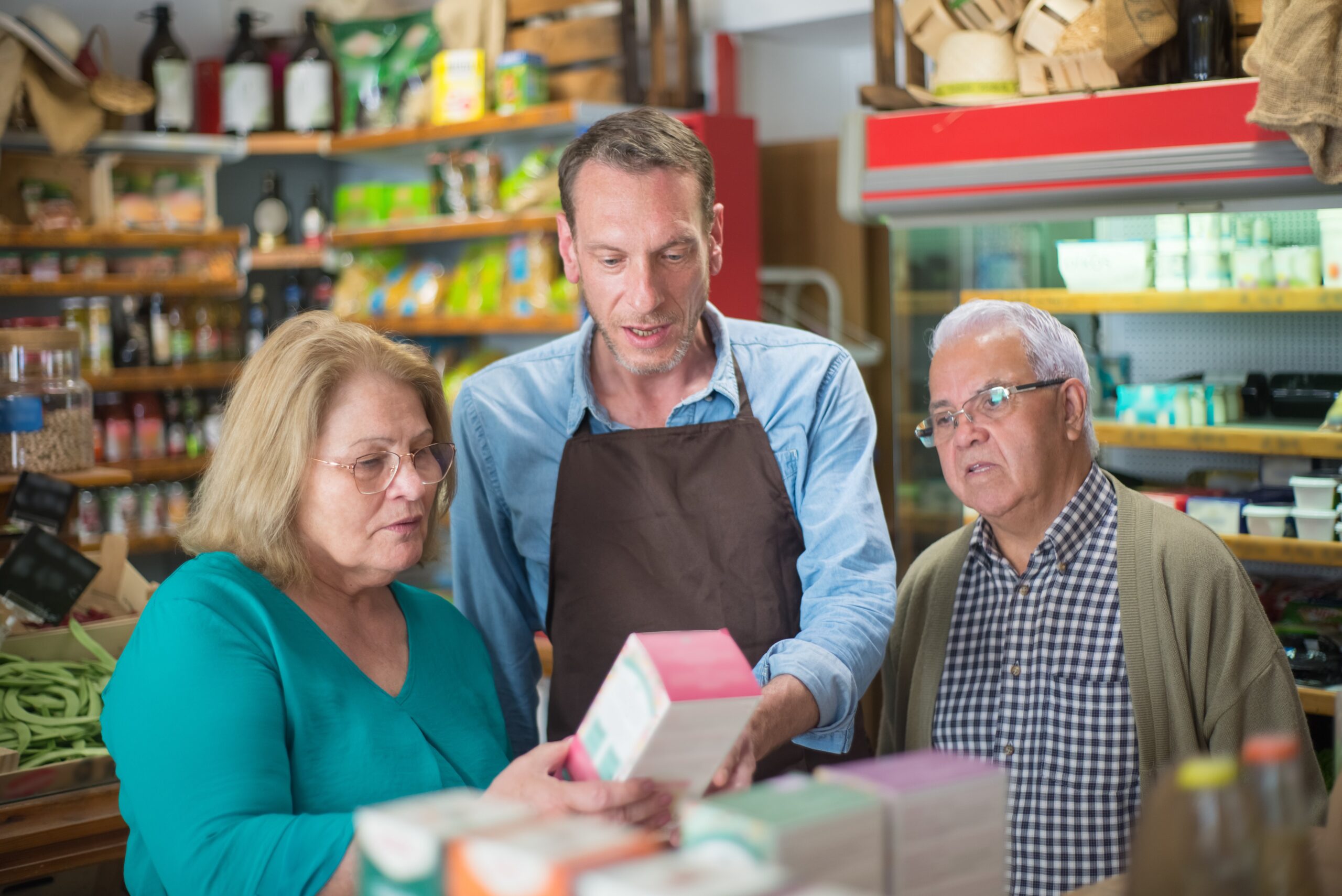
Image source: Pexels

People generally appreciate honesty and communication far more than they do silence from business. You can keep things friendly and personal because customers will often remember how a business made them feel more than the actual product itself. With a friendly service, you can create a far more enjoyable experience, and that could be something as simple as using their name when they call you or remembering previous orders. Businesses that feel warm and approachable are often easier for customers to trust. If you want customers to trust you, you could also look at the way your website works and make it easy to use a confusing website that quickly drives customers away.

Customers should never feel like they have to work hard to buy something from you, so listen to their feedback. It can be incredibly valuable for improving your business. Reviews, comments, complaints, they all matter and they often highlight the areas that you may not have noticed yourself. Rather than viewing criticism negatively, try treating it like useful information that it is because that can help to strengthen your customer experience. People also appreciate businesses that generally listen and make improvements based on that feedback because it’s that consistency there that helps to build that trust we discussed earlier on.

People remember a company who handles things well. Customers want to feel valued rather than treated like just another sale. When it comes down to it, better customer experiences usually come down to making people feel respected through their journey with your business.


These Online Shopping Mistakes Could Hurt Your Business’s Reputation

Your business’s reputation always matters, but when you’re in the business of selling things online, hurting the trust in your image can be even more dangerous than usual. Trust is what turns an interested visitor into a converter customer, so you have to be keenly aware of where it can be broken, as well as the steps you can take to prevent that from happening.

Hidden Costs

Customers do not want to be surprised with hidden costs right at the end of checkout. Any unexpected shipping fees, taxes, or service charges are going to leave them feeling misled. Not only can this lead to shopping cart abandonment, but it can also completely undermine any trust you’ve built in your brand, making them less likely to return in the future. Display all costs early and clearly, so customers know precisely what they’re going to pay, and highlight any options they have to adjust those costs, such as delivery options. When customers feel control, they’re a little more willing to accept the reality of fees.

Not Using Business Payment Processors

If you’re using payment methods that are designed and recognised more for personal payments, then it harms your business more than you think. You should stop using Zelle for business, as peer-to-peer apps like those aren’t designed for professional transactions and might lack the protections your customers expect, such as anti-fraud features. Furthermore, they can lack the protections your business needs, as well, leaving you open to chargebacks. You might even be violating the rules of personal payment platforms by using them for business, which can see you losing the account entirely, meaning customers lose their means of paying. Using a dedicated payment processor is much more reliable, secure, and compliant. 

Allowing Poor Website Performance

Nowadays, there really is no excuse for slow or unreliable websites. Customers are easily able to find competitors with pages that load quickly, images that display correctly, and navigation that works without broken links. Take the time to test your website routinely, looking for crashes, glitches, or any broken assets that you can optimise and improve. If you need to upgrade your website host to make sure that it runs effectively, then it’s a cost well worth paying.

Letting Fake Reviews Stand

You’re occasionally going to get negative feedback and reviews. These aren’t great, but if they’re balanced with positive reviews, as well as thoughtful and productive responses from you, then their harm is mitigated. Fake reviews, however, can tilt that balance against you, distorting how people see your business and what you provide, misleading buyers, and losing your sales. If reviews are demonstrably false, then you can report them and have them removed. Moreover, you should encourage customers to leave reviews on sites that include verification services, so any potential future customers are able to see that they’re from those who have legitimate experience with your business.

Your online reputation and the perceived legitimacy of your business are built on trust, established by transparency and consistency. Address the issues mentioned above and focus on a secure and fulfilling customer experience to help your business get the growth it needs.

What Customers Expect From Your Website’s Checkout

When you’re running a business website, the checkout process is the real test of how much your customers are willing to trust and rely on your business. If you’re not able to convince them of your legitimacy or provide the assurances they need that their transactions are secure, then they’re a lot more likely to abandon the shopping cart than at any other point. As such, here, we’re going to look at the factors that need to be in place.

Speed

Delays hurt your business. This is perhaps most demonstrably true when it comes to your checkout process. Customers expect it ot move quickly without long loading times, unnecessary pages, or repeated processes. The more time it takes, the more time doubt has to creep in, and the more customers are likely to abandon their carts. Keep the process simple with easy layouts, as few steps as possible, and by allowing autofill. 

Transparent Pricing

Customers don’t want surprises during checkout. As such, they expect product costs, taxes, delivery charges, discounts, and any additional fees to be clearly stated before they pay. Hidden costs are one of the fastest ways to lose trust and get them to give up on a purchase. Display shipping options and any other factors that are going to affect the price upfront, where possible, giving more transparency and allowing the customer to feel more in control of their costs.

Trusted Payment Methods

When it comes time to actually pay, customers want to be sure that they’re able to trust you with their financial information. Or, rather, they typically would prefer a recognisable and trusted API hosted payment integration to handle the transactions for them. These can offer fraud protection and data encryption that assures customers that their financial details aren’t going to end up in the hands of anyone they can’t trust, and are designed to handle transactions more smoothly, on top of that.

Predictable Navigation

Just as customers want their checkout process to be as efficient and speedy as possible, they also want a good idea of how many more steps it’s going to take. Breadcrumb navigation can help you break up the process into its chief steps, such as cart, shipping, payment, and confirmation, and shows customers which step of the journey they’re on at every point. When they’re able to see the progress they’re making towards the end, they’re more likely to stick it out.

Mobile Friendliness

More and more people are shopping directly from their phones, so you could be ignoring significant portions of your audience if you don’t cater to the mobile shopping experience. Provide checkout pages that work smoothly on smaller screens, with buttons, forms, and payment fields that can adapt to the change in space and layout. Loading speed is even more important on mobile, too, as poor connections can cause inefficient websites to become tortuously slow, so testing and optimising where possible is crucial. 

If your checkout process doesn’t tick all of your customers’ boxes, then you need to go back to the drawing board. Otherwise, you can end up losing more sales than you make.

Truth in Ratings: How to Protect Your Business and Yourself from Fake Reviews

Fake reviews can significantly impact both businesses and consumers, distorting the perception of products, services, and brands. They can artificially inflate or deflate ratings and can mislead potential buyers. Here are some strategies that both businesses and consumers can use to protect themselves:

Truth in Ratings: How to Protect Your Business and Yourself from Fake Reviews

For Businesses:

1. Monitor Reviews Actively: Regularly monitor and analyse reviews for patterns that may indicate fraudulent activity, such as a sudden influx of positive or negative reviews.

2. Utilise Review Verification Services: There are third-party services designed to verify the authenticity of reviews. They can help in filtering out suspicious or inauthentic feedback.

3. Encourage Genuine Reviews: Encourage satisfied customers to leave a review by providing easy-to-follow instructions or even offering incentives. Make sure to follow ethical guidelines in doing so.

4. Implement a Review Policy: Have a clear and transparent review policy that defines what is allowed and not allowed. Make it accessible to customers.

5. Report Fake Reviews: Major review sites often have mechanisms for reporting suspicious reviews. Be sure to make use of these systems when you notice suspicious activity.

6. Engage with Reviews: By actively responding to reviews, both positive and negative, you can often build trust with customers. If you suspect a review is fake, respond professionally, indicating your concern and how you plan to investigate.

7. Educate Your Customers: Let your customers know the importance of genuine reviews and how they can make sure their reviews are counted.

Truth in Ratings: How to Protect Your Business and Yourself from Fake Reviews

For Consumers:

1. Check Multiple Sources: Don’t rely on reviews from just one website. Look at different platforms to get a more comprehensive view.

2. Look for Verified Purchasers: Some platforms label reviews from verified purchasers. These are typically more trustworthy.

3. Analyze Review Patterns: If you see a large number of reviews with the same wording or all posted around the same time, they might be fake.

4. Be Skeptical of Extremes: Extremely positive or negative reviews might be fake, especially if they lack specific details about the product or service.

5. Use Review Analysis Tools: Some online tools can analyse reviews and provide a summary or even flag potentially fake reviews.

6. Read Both Positive and Negative Reviews: By reading a mix of positive and negative reviews, you can often get a more balanced view of a product or service.

7. Trust Your Instinct: If something doesn’t feel right, or if a review seems too good to be true, it probably is.

8. Consider Professional Reviews: If possible, look for professional, in-depth reviews from reputable sources.

9. Engage with the Community: Ask questions on forums or social media to get real opinions from real users.

By being proactive and aware, both businesses and consumers can significantly reduce the impact of fake reviews. It requires a combination of vigilance, utilizing available tools and services, and fostering a culture of authenticity and transparency.