Tag Archives: Customer loyalty

How to Make Your Customer’s Experience Better

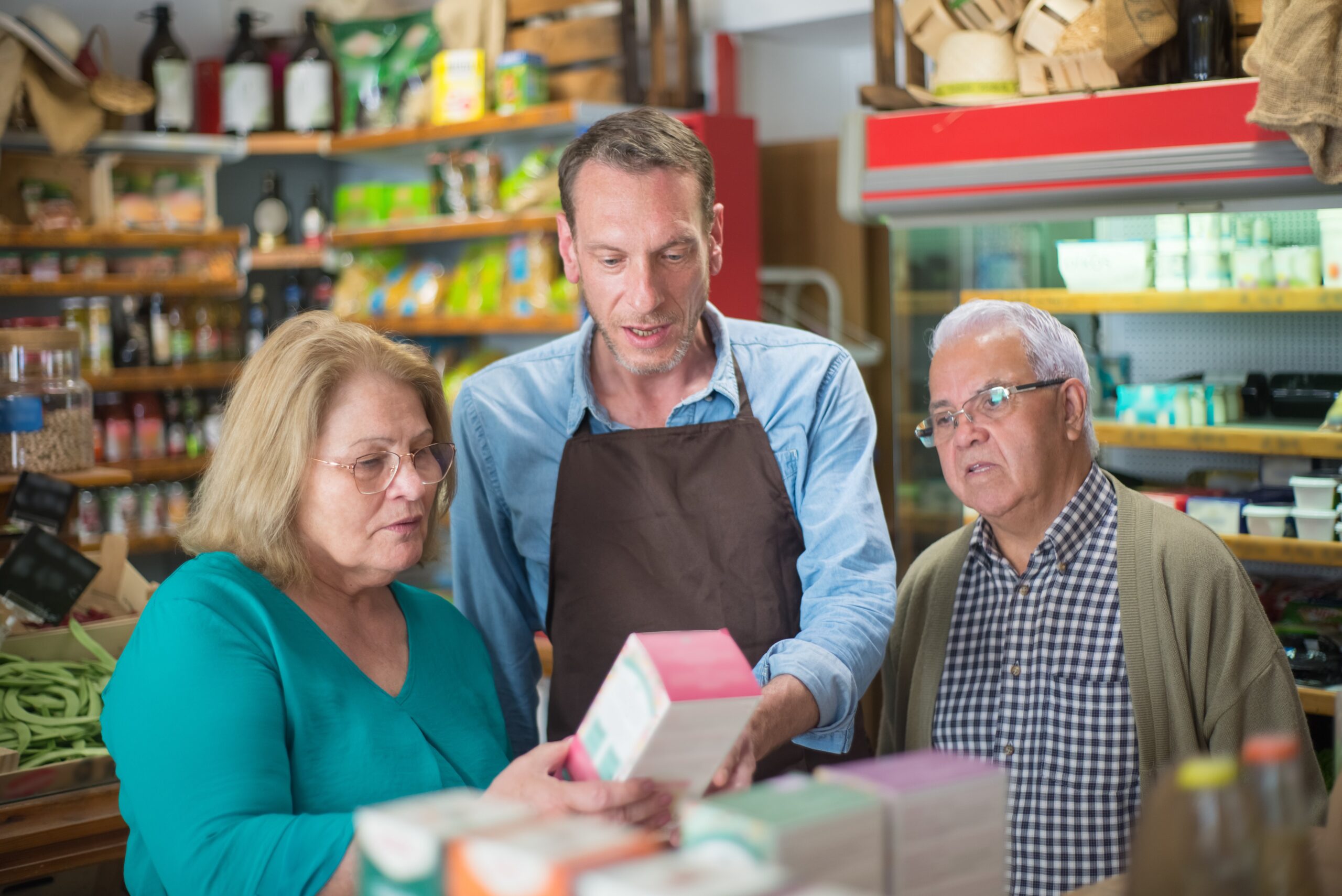
Creating a great customer experience is one of the best ways that you can help your business to grow. People are always going to be more likely to return to a business that makes them feel valued, respected, and supported through the buying process from start to finish. Even making some small improvements to this process leaves a lasting impression, especially if those improvements have come off the back of customer experiences and reviews. This allows you to build some strong customer relationships over time. Improving customer experiences doesn’t have to require some big changes, and you don’t have to outlay too much money either. Often it just comes down to making things easier and more enjoyable for the people who are buying from you, and it can start with making payments more simple.

One of the fastest ways that you can frustrate your customers is with a difficult checkout process. People want payments to fill fast and securely, whether they’re shopping online or not. Businesses that operate in more complex industries may also benefit from working with a high risk payment processor to help create smoother transaction experiences and reduce payment issues for customers. When the checkout process feels easy, customers are more likely to complete their purchases and return again in the future. The same can be said for responding quickly to questions. Nobody enjoys waiting days for a reply to a simple question. With faster communication, you can make your customers feel important and reassured, especially if they need help before making a purchase. Even if you can’t solve the issue immediately, sending a quick response to acknowledge the customer makes a big difference.

Image source: Pexels

People generally appreciate honesty and communication far more than they do silence from business. You can keep things friendly and personal because customers will often remember how a business made them feel more than the actual product itself. With a friendly service, you can create a far more enjoyable experience, and that could be something as simple as using their name when they call you or remembering previous orders. Businesses that feel warm and approachable are often easier for customers to trust. If you want customers to trust you, you could also look at the way your website works and make it easy to use a confusing website that quickly drives customers away.

Customers should never feel like they have to work hard to buy something from you, so listen to their feedback. It can be incredibly valuable for improving your business. Reviews, comments, complaints, they all matter and they often highlight the areas that you may not have noticed yourself. Rather than viewing criticism negatively, try treating it like useful information that it is because that can help to strengthen your customer experience. People also appreciate businesses that generally listen and make improvements based on that feedback because it’s that consistency there that helps to build that trust we discussed earlier on.

People remember a company who handles things well. Customers want to feel valued rather than treated like just another sale. When it comes down to it, better customer experiences usually come down to making people feel respected through their journey with your business.

These Online Shopping Mistakes Could Hurt Your Business’s Reputation

Your business’s reputation always matters, but when you’re in the business of selling things online, hurting the trust in your image can be even more dangerous than usual. Trust is what turns an interested visitor into a converter customer, so you have to be keenly aware of where it can be broken, as well as the steps you can take to prevent that from happening.

Hidden Costs

Customers do not want to be surprised with hidden costs right at the end of checkout. Any unexpected shipping fees, taxes, or service charges are going to leave them feeling misled. Not only can this lead to shopping cart abandonment, but it can also completely undermine any trust you’ve built in your brand, making them less likely to return in the future. Display all costs early and clearly, so customers know precisely what they’re going to pay, and highlight any options they have to adjust those costs, such as delivery options. When customers feel control, they’re a little more willing to accept the reality of fees.

Not Using Business Payment Processors

If you’re using payment methods that are designed and recognised more for personal payments, then it harms your business more than you think. You should stop using Zelle for business, as peer-to-peer apps like those aren’t designed for professional transactions and might lack the protections your customers expect, such as anti-fraud features. Furthermore, they can lack the protections your business needs, as well, leaving you open to chargebacks. You might even be violating the rules of personal payment platforms by using them for business, which can see you losing the account entirely, meaning customers lose their means of paying. Using a dedicated payment processor is much more reliable, secure, and compliant. 

Allowing Poor Website Performance

Nowadays, there really is no excuse for slow or unreliable websites. Customers are easily able to find competitors with pages that load quickly, images that display correctly, and navigation that works without broken links. Take the time to test your website routinely, looking for crashes, glitches, or any broken assets that you can optimise and improve. If you need to upgrade your website host to make sure that it runs effectively, then it’s a cost well worth paying.

Letting Fake Reviews Stand

You’re occasionally going to get negative feedback and reviews. These aren’t great, but if they’re balanced with positive reviews, as well as thoughtful and productive responses from you, then their harm is mitigated. Fake reviews, however, can tilt that balance against you, distorting how people see your business and what you provide, misleading buyers, and losing your sales. If reviews are demonstrably false, then you can report them and have them removed. Moreover, you should encourage customers to leave reviews on sites that include verification services, so any potential future customers are able to see that they’re from those who have legitimate experience with your business.

Your online reputation and the perceived legitimacy of your business are built on trust, established by transparency and consistency. Address the issues mentioned above and focus on a secure and fulfilling customer experience to help your business get the growth it needs.