Tag Archives: fake reviews

These Online Shopping Mistakes Could Hurt Your Business’s Reputation

Your business’s reputation always matters, but when you’re in the business of selling things online, hurting the trust in your image can be even more dangerous than usual. Trust is what turns an interested visitor into a converter customer, so you have to be keenly aware of where it can be broken, as well as the steps you can take to prevent that from happening.
Hidden Costs

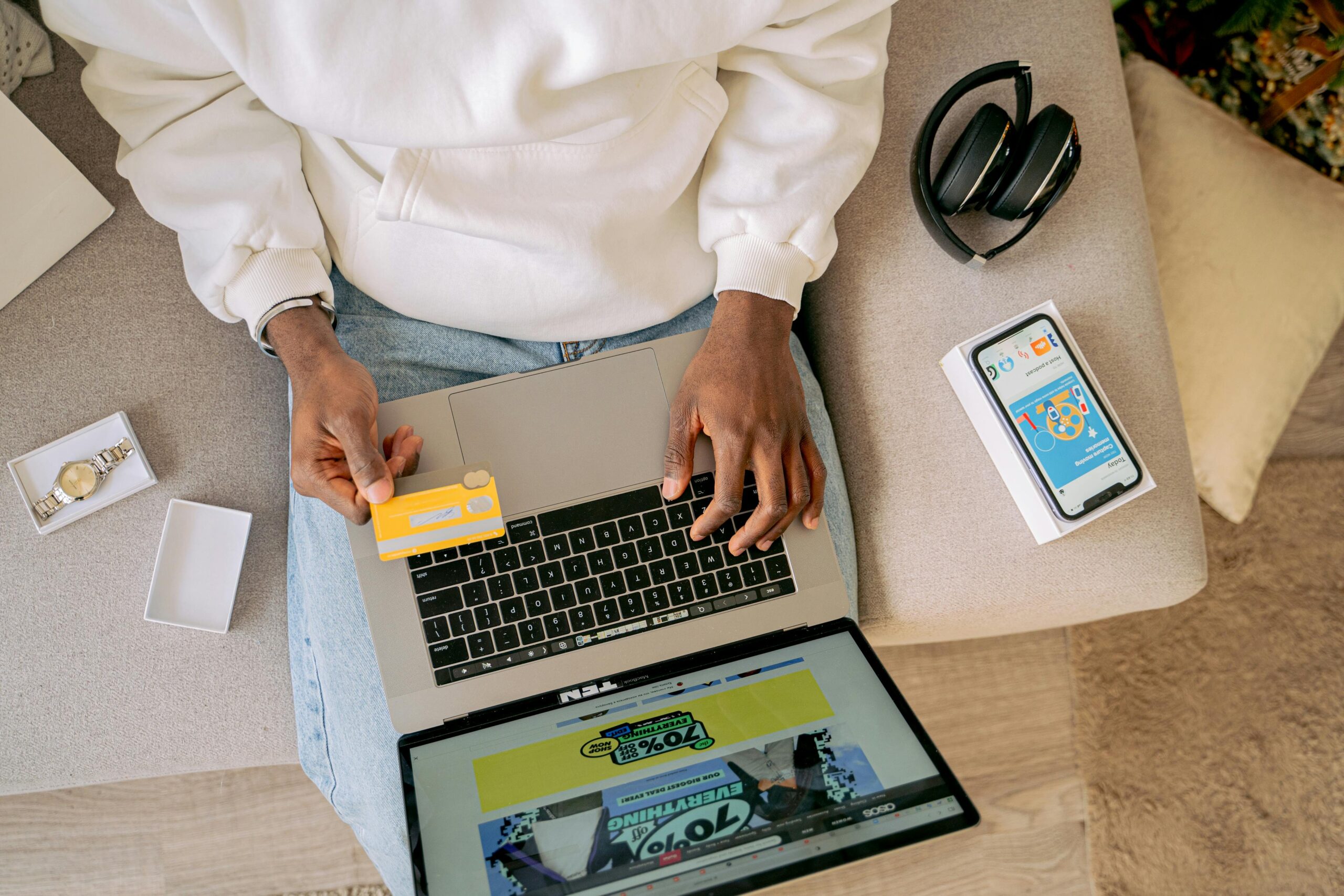
Customers do not want to be surprised with hidden costs right at the end of checkout. Any unexpected shipping fees, taxes, or service charges are going to leave them feeling misled. Not only can this lead to shopping cart abandonment, but it can also completely undermine any trust you’ve built in your brand, making them less likely to return in the future. Display all costs early and clearly, so customers know precisely what they’re going to pay, and highlight any options they have to adjust those costs, such as delivery options. When customers feel control, they’re a little more willing to accept the reality of fees.

Not Using Business Payment Processors

If you’re using payment methods that are designed and recognised more for personal payments, then it harms your business more than you think. You should stop using Zelle for business, as peer-to-peer apps like those aren’t designed for professional transactions and might lack the protections your customers expect, such as anti-fraud features. Furthermore, they can lack the protections your business needs, as well, leaving you open to chargebacks. You might even be violating the rules of personal payment platforms by using them for business, which can see you losing the account entirely, meaning customers lose their means of paying. Using a dedicated payment processor is much more reliable, secure, and compliant. 

Allowing Poor Website Performance

Nowadays, there really is no excuse for slow or unreliable websites. Customers are easily able to find competitors with pages that load quickly, images that display correctly, and navigation that works without broken links. Take the time to test your website routinely, looking for crashes, glitches, or any broken assets that you can optimise and improve. If you need to upgrade your website host to make sure that it runs effectively, then it’s a cost well worth paying.

Letting Fake Reviews Stand

You’re occasionally going to get negative feedback and reviews. These aren’t great, but if they’re balanced with positive reviews, as well as thoughtful and productive responses from you, then their harm is mitigated. Fake reviews, however, can tilt that balance against you, distorting how people see your business and what you provide, misleading buyers, and losing your sales. If reviews are demonstrably false, then you can report them and have them removed. Moreover, you should encourage customers to leave reviews on sites that include verification services, so any potential future customers are able to see that they’re from those who have legitimate experience with your business.

Your online reputation and the perceived legitimacy of your business are built on trust, established by transparency and consistency. Address the issues mentioned above and focus on a secure and fulfilling customer experience to help your business get the growth it needs.


Truth in Ratings: How to Protect Your Business and Yourself from Fake Reviews

Fake reviews can significantly impact both businesses and consumers, distorting the perception of products, services, and brands. They can artificially inflate or deflate ratings and can mislead potential buyers. Here are some strategies that both businesses and consumers can use to protect themselves:

Truth in Ratings: How to Protect Your Business and Yourself from Fake Reviews

For Businesses:

1. Monitor Reviews Actively: Regularly monitor and analyse reviews for patterns that may indicate fraudulent activity, such as a sudden influx of positive or negative reviews.

2. Utilise Review Verification Services: There are third-party services designed to verify the authenticity of reviews. They can help in filtering out suspicious or inauthentic feedback.

3. Encourage Genuine Reviews: Encourage satisfied customers to leave a review by providing easy-to-follow instructions or even offering incentives. Make sure to follow ethical guidelines in doing so.

4. Implement a Review Policy: Have a clear and transparent review policy that defines what is allowed and not allowed. Make it accessible to customers.

5. Report Fake Reviews: Major review sites often have mechanisms for reporting suspicious reviews. Be sure to make use of these systems when you notice suspicious activity.

6. Engage with Reviews: By actively responding to reviews, both positive and negative, you can often build trust with customers. If you suspect a review is fake, respond professionally, indicating your concern and how you plan to investigate.

7. Educate Your Customers: Let your customers know the importance of genuine reviews and how they can make sure their reviews are counted.

Truth in Ratings: How to Protect Your Business and Yourself from Fake Reviews

For Consumers:

1. Check Multiple Sources: Don’t rely on reviews from just one website. Look at different platforms to get a more comprehensive view.

2. Look for Verified Purchasers: Some platforms label reviews from verified purchasers. These are typically more trustworthy.

3. Analyze Review Patterns: If you see a large number of reviews with the same wording or all posted around the same time, they might be fake.

4. Be Skeptical of Extremes: Extremely positive or negative reviews might be fake, especially if they lack specific details about the product or service.

5. Use Review Analysis Tools: Some online tools can analyse reviews and provide a summary or even flag potentially fake reviews.

6. Read Both Positive and Negative Reviews: By reading a mix of positive and negative reviews, you can often get a more balanced view of a product or service.

7. Trust Your Instinct: If something doesn’t feel right, or if a review seems too good to be true, it probably is.

8. Consider Professional Reviews: If possible, look for professional, in-depth reviews from reputable sources.

9. Engage with the Community: Ask questions on forums or social media to get real opinions from real users.

By being proactive and aware, both businesses and consumers can significantly reduce the impact of fake reviews. It requires a combination of vigilance, utilizing available tools and services, and fostering a culture of authenticity and transparency.