Tag Archives: shopping cart abandonment

These Online Shopping Mistakes Could Hurt Your Business’s Reputation

Your business’s reputation always matters, but when you’re in the business of selling things online, hurting the trust in your image can be even more dangerous than usual. Trust is what turns an interested visitor into a converter customer, so you have to be keenly aware of where it can be broken, as well as the steps you can take to prevent that from happening.

Hidden Costs

Customers do not want to be surprised with hidden costs right at the end of checkout. Any unexpected shipping fees, taxes, or service charges are going to leave them feeling misled. Not only can this lead to shopping cart abandonment, but it can also completely undermine any trust you’ve built in your brand, making them less likely to return in the future. Display all costs early and clearly, so customers know precisely what they’re going to pay, and highlight any options they have to adjust those costs, such as delivery options. When customers feel control, they’re a little more willing to accept the reality of fees.

Not Using Business Payment Processors

If you’re using payment methods that are designed and recognised more for personal payments, then it harms your business more than you think. You should stop using Zelle for business, as peer-to-peer apps like those aren’t designed for professional transactions and might lack the protections your customers expect, such as anti-fraud features. Furthermore, they can lack the protections your business needs, as well, leaving you open to chargebacks. You might even be violating the rules of personal payment platforms by using them for business, which can see you losing the account entirely, meaning customers lose their means of paying. Using a dedicated payment processor is much more reliable, secure, and compliant. 

Allowing Poor Website Performance

Nowadays, there really is no excuse for slow or unreliable websites. Customers are easily able to find competitors with pages that load quickly, images that display correctly, and navigation that works without broken links. Take the time to test your website routinely, looking for crashes, glitches, or any broken assets that you can optimise and improve. If you need to upgrade your website host to make sure that it runs effectively, then it’s a cost well worth paying.

Letting Fake Reviews Stand

You’re occasionally going to get negative feedback and reviews. These aren’t great, but if they’re balanced with positive reviews, as well as thoughtful and productive responses from you, then their harm is mitigated. Fake reviews, however, can tilt that balance against you, distorting how people see your business and what you provide, misleading buyers, and losing your sales. If reviews are demonstrably false, then you can report them and have them removed. Moreover, you should encourage customers to leave reviews on sites that include verification services, so any potential future customers are able to see that they’re from those who have legitimate experience with your business.

Your online reputation and the perceived legitimacy of your business are built on trust, established by transparency and consistency. Address the issues mentioned above and focus on a secure and fulfilling customer experience to help your business get the growth it needs.

What Customers Expect From Your Website’s Checkout

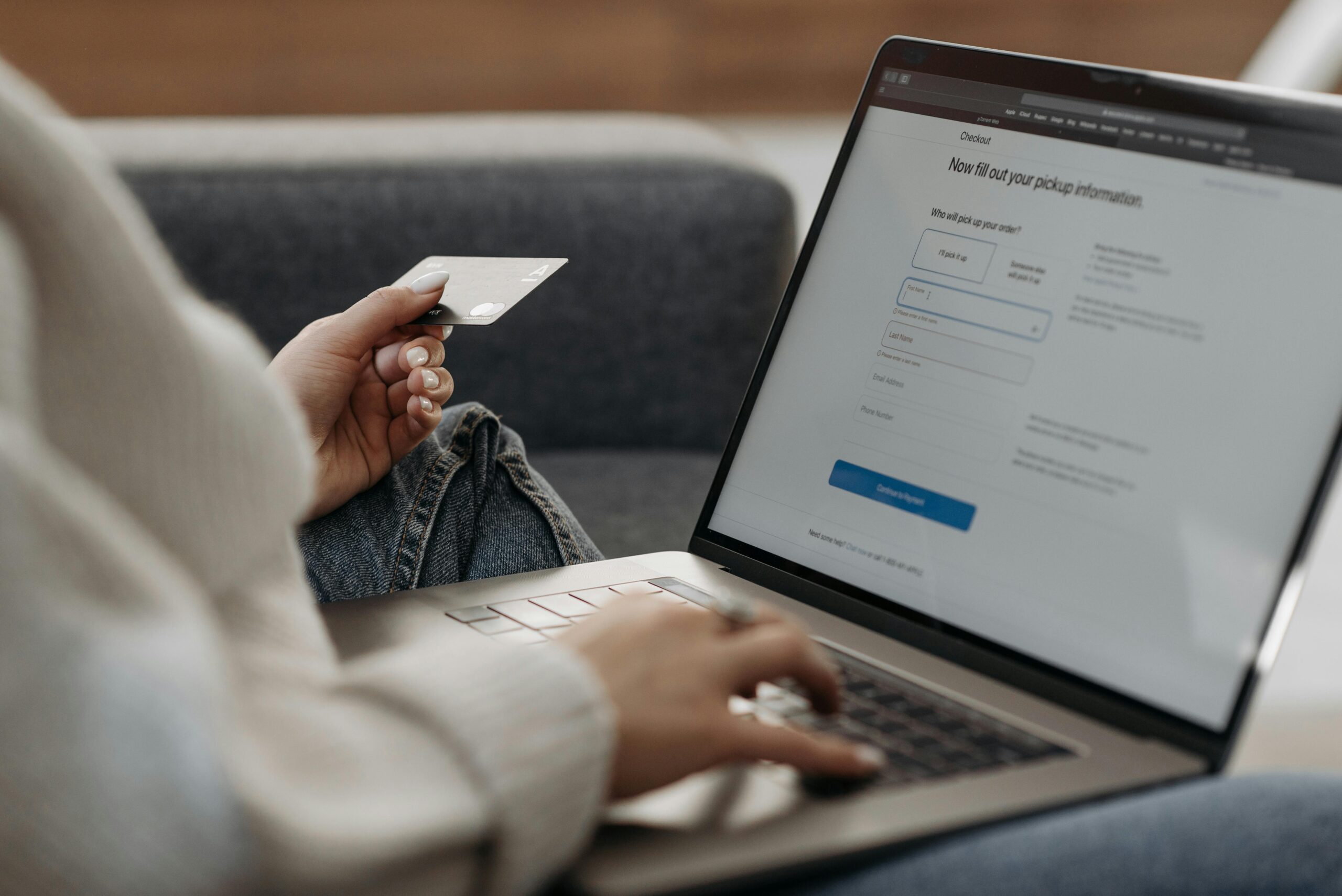
When you’re running a business website, the checkout process is the real test of how much your customers are willing to trust and rely on your business. If you’re not able to convince them of your legitimacy or provide the assurances they need that their transactions are secure, then they’re a lot more likely to abandon the shopping cart than at any other point. As such, here, we’re going to look at the factors that need to be in place.

Speed

Delays hurt your business. This is perhaps most demonstrably true when it comes to your checkout process. Customers expect it ot move quickly without long loading times, unnecessary pages, or repeated processes. The more time it takes, the more time doubt has to creep in, and the more customers are likely to abandon their carts. Keep the process simple with easy layouts, as few steps as possible, and by allowing autofill. 

Transparent Pricing

Customers don’t want surprises during checkout. As such, they expect product costs, taxes, delivery charges, discounts, and any additional fees to be clearly stated before they pay. Hidden costs are one of the fastest ways to lose trust and get them to give up on a purchase. Display shipping options and any other factors that are going to affect the price upfront, where possible, giving more transparency and allowing the customer to feel more in control of their costs.

Trusted Payment Methods

When it comes time to actually pay, customers want to be sure that they’re able to trust you with their financial information. Or, rather, they typically would prefer a recognisable and trusted API hosted payment integration to handle the transactions for them. These can offer fraud protection and data encryption that assures customers that their financial details aren’t going to end up in the hands of anyone they can’t trust, and are designed to handle transactions more smoothly, on top of that.

Predictable Navigation

Just as customers want their checkout process to be as efficient and speedy as possible, they also want a good idea of how many more steps it’s going to take. Breadcrumb navigation can help you break up the process into its chief steps, such as cart, shipping, payment, and confirmation, and shows customers which step of the journey they’re on at every point. When they’re able to see the progress they’re making towards the end, they’re more likely to stick it out.

Mobile Friendliness

More and more people are shopping directly from their phones, so you could be ignoring significant portions of your audience if you don’t cater to the mobile shopping experience. Provide checkout pages that work smoothly on smaller screens, with buttons, forms, and payment fields that can adapt to the change in space and layout. Loading speed is even more important on mobile, too, as poor connections can cause inefficient websites to become tortuously slow, so testing and optimising where possible is crucial. 

If your checkout process doesn’t tick all of your customers’ boxes, then you need to go back to the drawing board. Otherwise, you can end up losing more sales than you make.