Tag Archives: communication

SAYPH: The Smartphone That Isn’t Trying to Be Everything

There’s a quiet shift happening in the world of tech. For years, smartphones have been on a relentless march toward doing more, showing more, and demanding more of our attention. Now, a UK startup called Sayph is heading in the opposite direction… and it’s rather refreshing.

Sayph has unveiled what it describes as the UK’s first responsible smartphone for children aged 8 to 16. Not a cut-down adult device. Not a standard handset wrapped in layers of parental controls. Instead, this is something altogether different, a phone designed from the ground up with a very specific purpose in mind.

A Middle Ground That Actually Exists

For many parents, the decision is a familiar dilemma. No phone at all, or a fully fledged smartphone with all the baggage that comes with it. Social media, open internet access, endless notifications… it’s a lot.

Sayph positions itself squarely in the middle.

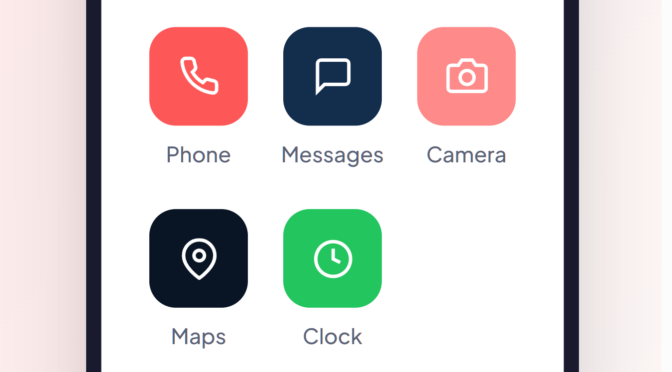
Out of the box, the device focuses on the essentials. Calls, one-to-one messaging, and location tracking. That’s it. No social media apps. No app store. No web browser unless a parent explicitly decides to enable it.

This isn’t about locking things down after the fact. It’s about starting from a place of simplicity and control.

Built Different, Not Bolted On

What makes this interesting is the philosophy behind it. Most devices rely on add-ons and restrictions layered over a standard smartphone experience. Sayph flips that approach completely.

Everything is intentional.

Contacts must be approved. Communication is controlled. And instead of navigating endless menus and toggles, parents use a companion web app designed to give clear oversight without turning into a full-time job.

It’s less about surveillance, more about structure.

Independence Without the Noise

Co-founder Ben Humphrey sums it up neatly, describing the challenge many families face today: giving children independence without exposing them to the pressures of always-on digital life.

Walking to school. Visiting friends. Staying in touch. These are the real-world use cases Sayph is built around.

Not scrolling. Not chasing likes. Not being pulled into the endless gravity of online platforms.

Fellow co-founder Ami Penolver frames it slightly differently, positioning the device as pro-childhood rather than anti-technology. It’s a subtle but important distinction, and one that feels increasingly relevant.

Pricing and Positioning

At £189 for the handset and £5 per month for the parental platform, Sayph is clearly aiming to sit in an accessible space. Not a premium luxury device, but not a disposable gadget either.

It’s a considered purchase. One that reflects a shift in thinking about what a child’s first phone should actually be.

Tech With a Social Angle

There’s also an interesting layer beyond the hardware itself. Sayph has built a social impact model into its rollout.

For every ten devices purchased within a school, one is donated to a pupil premium child. For every hundred devices sold overall, another is provided to a looked-after child.

It’s a small touch, but one that hints at a broader ambition. Not just selling devices, but shaping how children access technology in the first place.

There’s something quite compelling about a product that deliberately does less. In a market obsessed with features, specs and endless capability, Sayph feels like a bit of a reset button.

A phone that knows exactly what it’s for… and more importantly, what it isn’t.

And in today’s world, that might just be its biggest feature.

Available now at Sayph
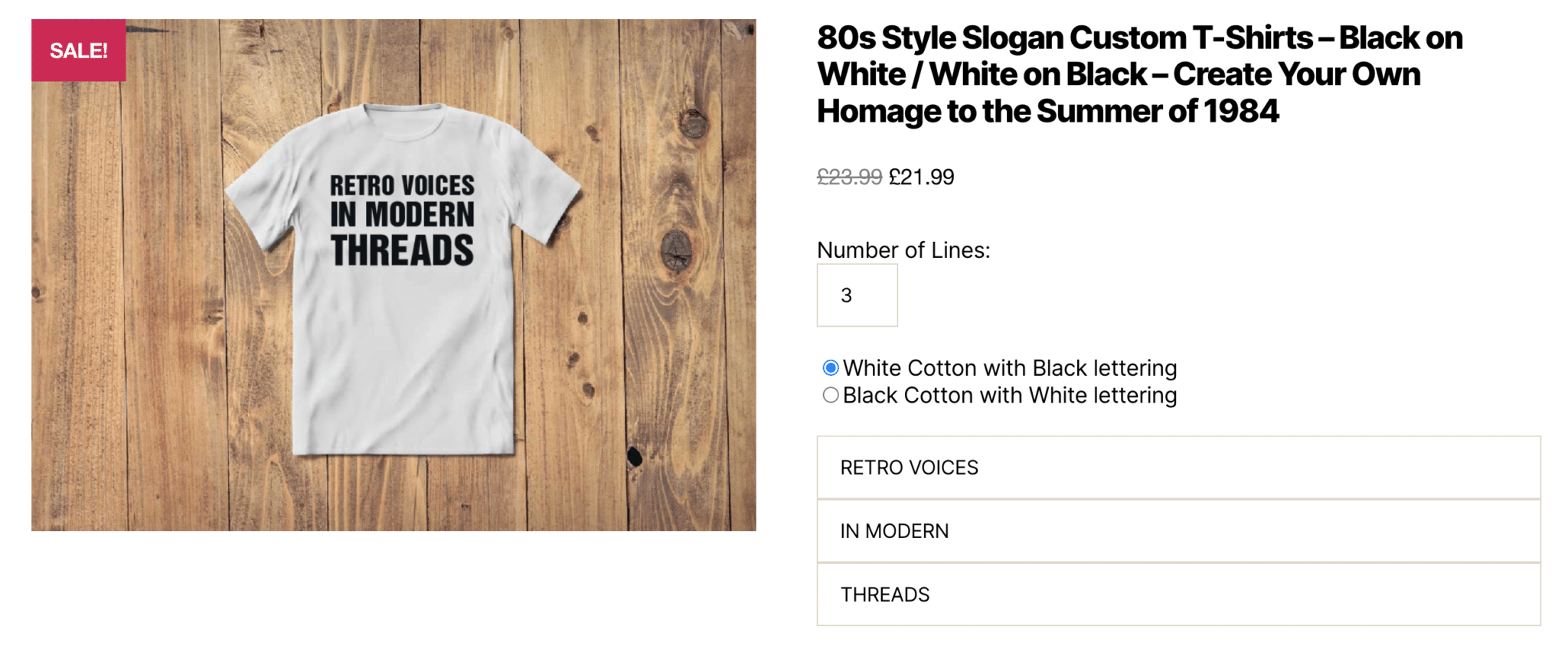
Retro Voices in Modern Threads: The Rise of Custom 80s Slogan Tees in the 21st Century

In an era where fashion intertwines with statements, the resurgence of 1980s slogan T-shirts in the 21st century is a fascinating blend of nostalgia and contemporary relevance. These iconic pieces of attire, once the voice of a generation’s ethos, politics, and humor, have found new life in today’s fashion scene. As we delve into this revival, we uncover not just a tribute to retro style but a reinvigoration of the T-shirt’s power as a medium for expression. In today’s digital age, where online platforms often mediate our voices, the physicality of wearing one’s beliefs, fandoms, or comedic flair on a T-shirt offers a tangible, unfiltered form of personal expression.

The ’80s were a time of bold statements and even bolder fashion choices. Slogan T-shirts, in particular, served as wearable billboards for everything from political protests to band fandoms. Fast forward to the present, and we see these items not just as retro throwbacks but as a continuing tradition of wearable expression. This revival speaks volumes about our ongoing desire to connect, communicate, and make statements through what we wear.

This trend’s resurgence also highlights the cyclical nature of fashion, where yesterday’s statements become today’s style icons. It’s a reminder that fashion is not just about aesthetics but about messages, moments, and movements. As we wear these slogans, we’re not just recalling the past; we’re redefining their significance for a new era, making them as relevant today as they were decades ago.

In embracing 1980s slogan T-shirts, we weave the fabric of the past with the threads of the present, creating a tapestry of personal and collective expression that transcends time. Whether it’s a vintage find or a modern reinterpretation, these T-shirts remind us that fashion is a powerful form of communication, one that allows us to wear our hearts, humour, and histories on our sleeves.

In the 21st century, the evolution of fashion customization has empowered customers to create their own slogan fashion, reflecting personal tastes, beliefs, and creativity. A standout example of this trend is the ability to design personalized clothing through platforms like TShirtsSlogans.uk. Here, customers can produce customised 80s-style slogan T-shirts, choosing their messages and colours to echo the iconic fashion of the past while embedding their individuality into each piece. This innovation bridges the gap between retro style and personal expression.

A standout example of this trend is the ability to design personalized clothing through platforms like TShirtsSlogans.uk

Tech Meets Tongues: An AI-Powered Multilingual Journey on The Gadget Man

Hello, tech enthusiasts and language lovers! Today, I’m thrilled to unveil something truly groundbreaking at The Gadget Man – a fusion of cutting-edge AI technology with the art of language translation.

This isn’t just any ordinary video. A few years back, I recorded a clip that has now been transformed into a multilingual marvel, thanks to the brilliant minds at San Francisco-based AI company Sync-labs. My voice, originally in English, has been meticulously analysed and cloned. The audio was transcribed and then translated into an array of languages, and here’s the really clever bit – the translated audio has been engineered to sound exactly like me, but in each respective language.

From Swedish to Urdu, each version maintains a natural tone and inflection unique to its language. The result? An impressively accurate lip-synced video of me speaking to the camera in English, Swedish, Dutch, French, Japanese, German, Ukrainian, Italian, Welsh, Urdu, Arabic, Spanish, Thai, Turkish, and, of course, a special digital voice rendition.

The goal here is not just to showcase the wonders of AI but to connect with our diverse audience. We’re breaking down language barriers while keeping the essence of communication – the personal touch.

Now, here’s where you come in. I invite you, our valued visitors, to be part of this exciting journey. Watch the video and let us know what you think of each translation. How well does the AI capture the nuances of each language? Does it sound natural to you? Your feedback is invaluable, as it helps us understand the effectiveness of this technology from a real-world perspective.

Rate each translation and share your thoughts in the comments below. Whether you’re a native speaker or a language enthusiast, your insights will contribute to a broader understanding of AI’s role in breaking down linguistic barriers.

As we embrace this new era of technological advancements, it’s crucial to remember that at the heart of all innovation lies communication and connection. So, let’s explore together the fascinating intersection of technology and language.

Here’s me telling a joke translated to Chinese

and the same joke in German

Stay tuned for more tech explorations and insights right here on The Gadget Man.