There is something rather special about great audio gear. Whether it is a cherished pair of bookshelf speakers from the seventies or a hefty amplifier that once powered many late nights, older kit carries a charm that refuses to fade. The trouble is that modern streaming rarely considers this history. We juggle apps, fight with compatibility issues, and often end up restricted to one manufacturer’s ecosystem.
Streamplayer: The Little Box That Brings Every Speaker Back to Life
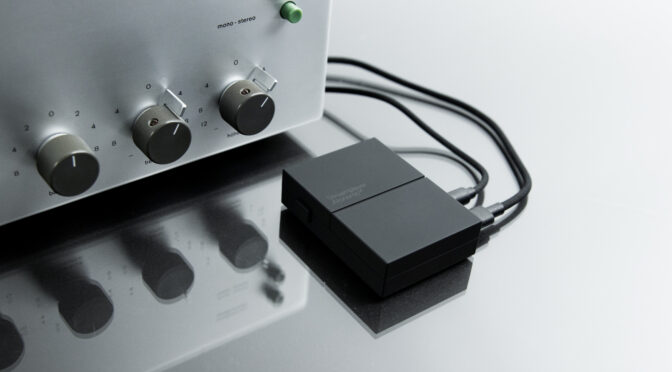
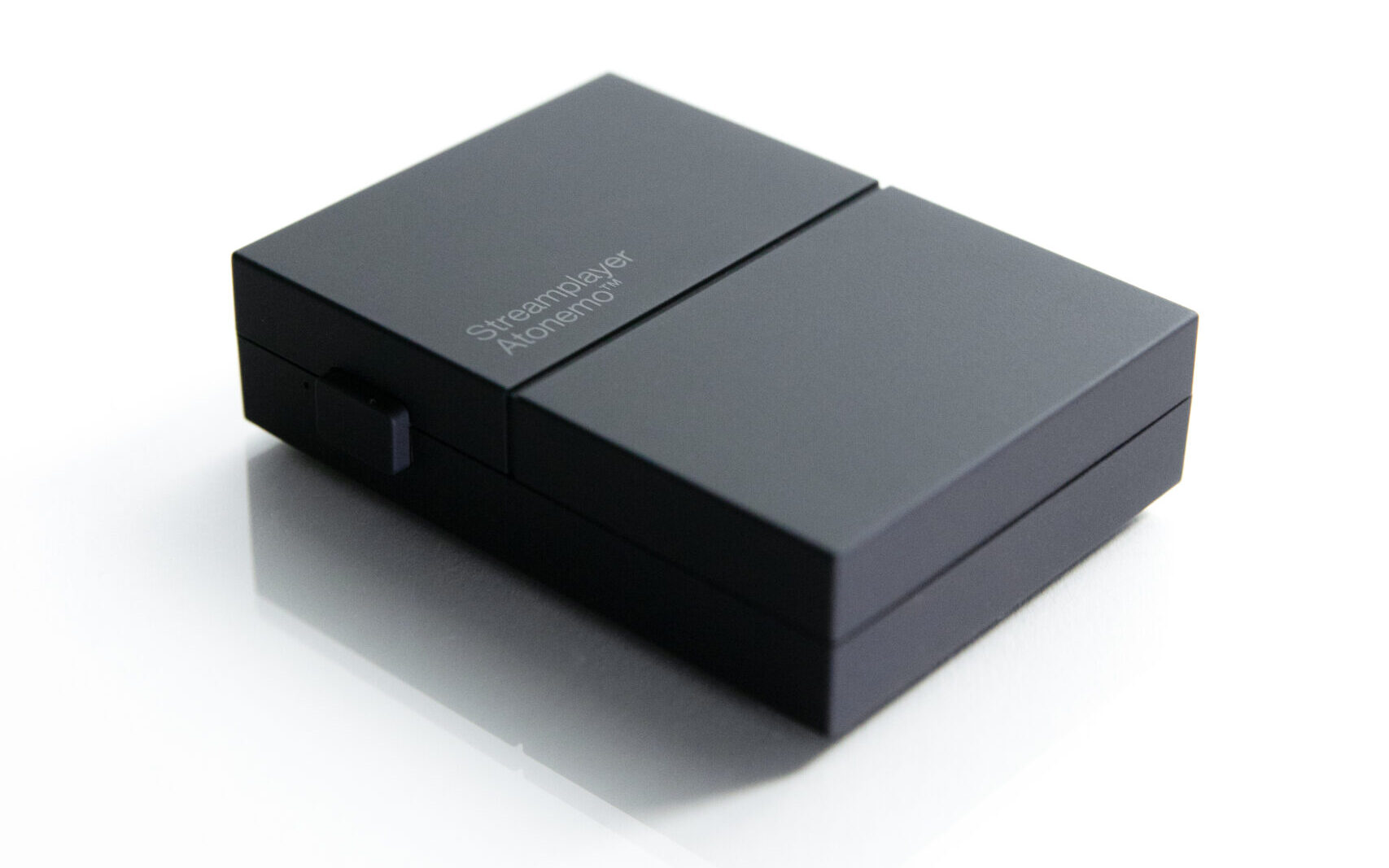
Atonemo, a young company based in Stockholm, has stepped in with a refreshingly simple answer. Their new device, the Streamplayer, aims to bring every speaker you own into the streaming age. It works with speakers of any brand, size, or era and gives older equipment a modern purpose again.
Streamplayer: The Little Box That Brings Every Speaker Back to Life
Listening to music used to be an uncomplicated affair. You pressed play, and the sound travelled through a cable without any fuss. Today, we navigate multiple services that do not always get along. Streamplayer strips away that complexity by giving you a single, universal way to stream music across your home.
Streamplayer: The Little Box That Brings Every Speaker Back to Life
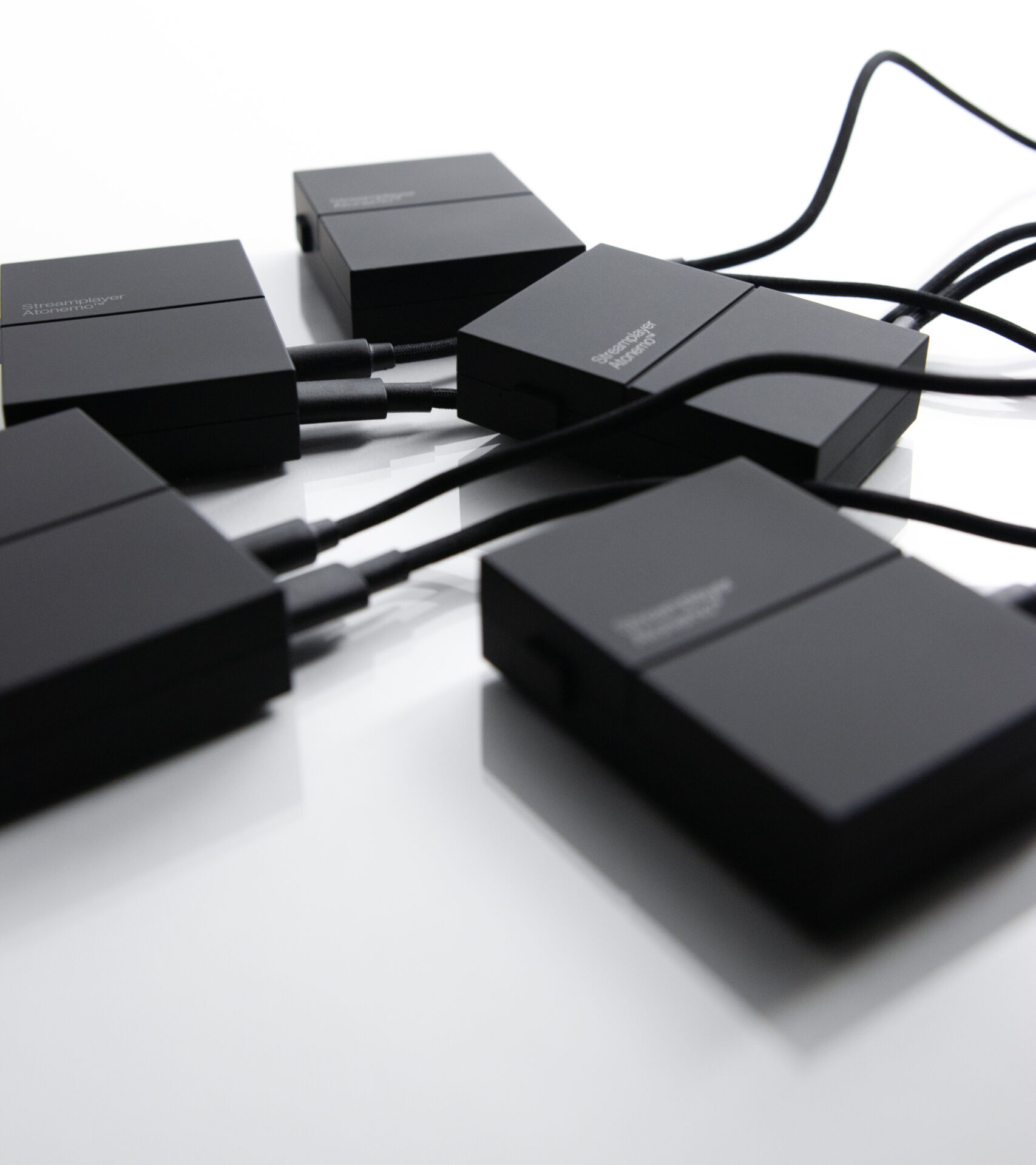
The concept is brilliantly straightforward. Streamplayer is a compact wireless audio streamer that connects to any speaker or amplifier. Once it joins your Wi Fi network, you can play music through AirPlay 2, Google Cast, Spotify Connect, or Tidal Connect. Your vintage hi fi becomes wireless. Your modern speakers can work side by side with your older favourites. You can even synchronise completely different speakers into one unified system.
Streamplayer: The Little Box That Brings Every Speaker Back to Life
For fans of classic audio equipment, this is especially exciting. Many older speakers sound superb but lack the streaming features that modern life expects. Atonemo’s mission is to bring them back into everyday use, turning beautiful old gear into fully capable modern systems.
Atonemo’s Approach
The company was founded by two childhood friends, one a mathematician and the other a designer. Their shared passion for music and frustration with over engineered audio systems inspired them to create products that feel human, simple, and purposeful. Their philosophy focuses on clear communication and design that does exactly what it needs to do without clutter.
Key Features
Streamplayer is small, but the specification is impressive:
24 bit 192 kHz audio
Gapless playback
AirPlay 2, Google Cast, Spotify Connect, Tidal Connect
Analogue line out and optical S PDIF out
Wi Fi 6 with WPA2 and WPA3 security
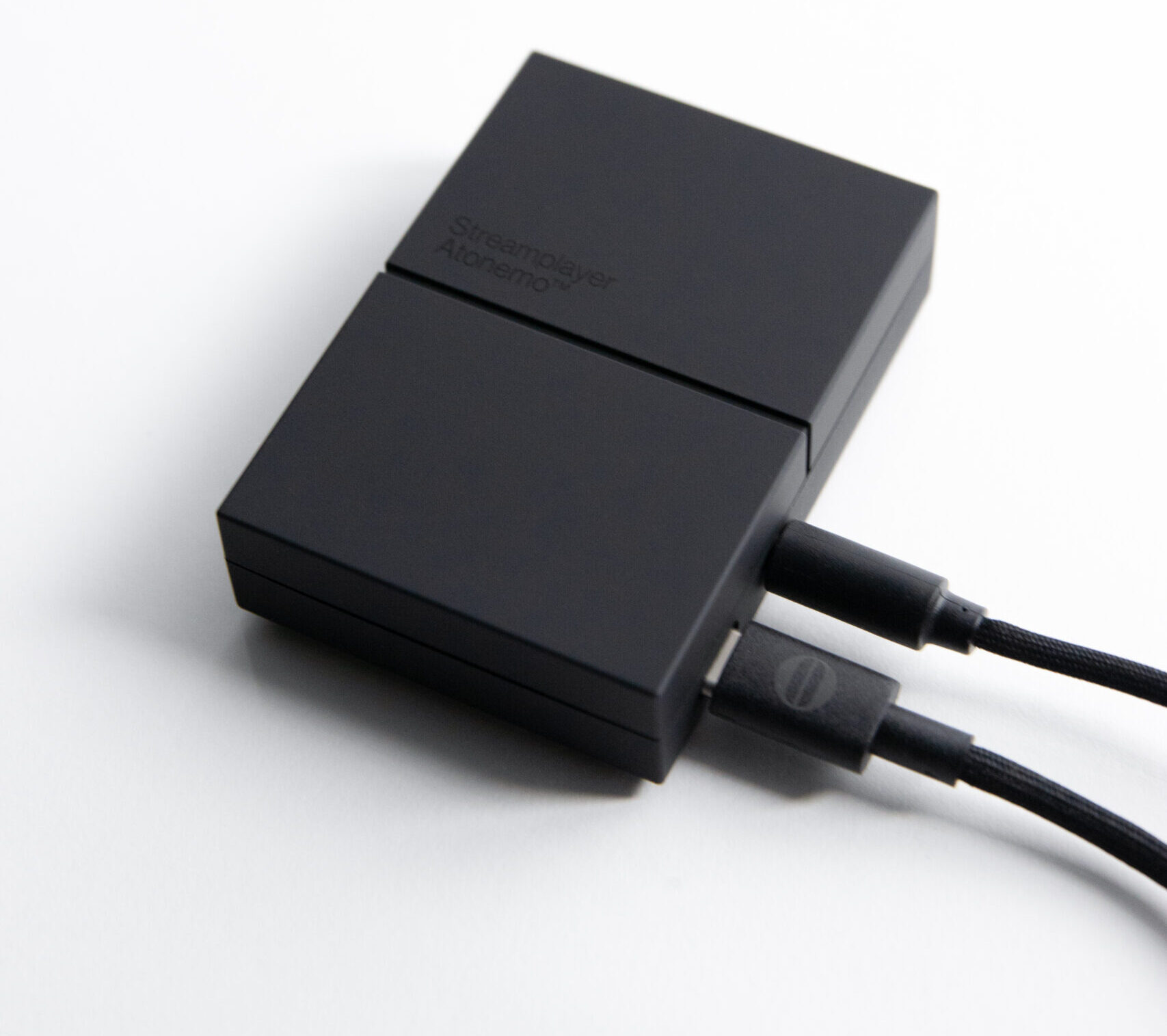
USB C power
Works with active speakers, amplifiers, hi fi systems, and vintage audio gear
Streamplayer: The Little Box That Brings Every Speaker Back to Life
Everything about it is built around compatibility and convenience. It arrives with a USB C power cable, an AUX cable, and a simple quick start guide, making setup as painless as possible.
A Simple Idea with Real Impact
The launch of Streamplayer feels like a moment for anyone who loves audio but dislikes unnecessary complication. It brings your favourite speakers back into daily use, unifies the systems you already have, and avoids locking you into any single brand.
For anyone with a cupboard full of forgotten gear or a cherished pair of speakers that deserve to be heard again, this little box might be one of the most appealing products of the season.
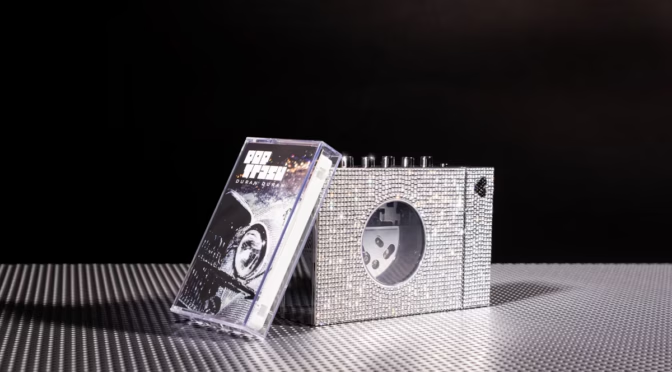
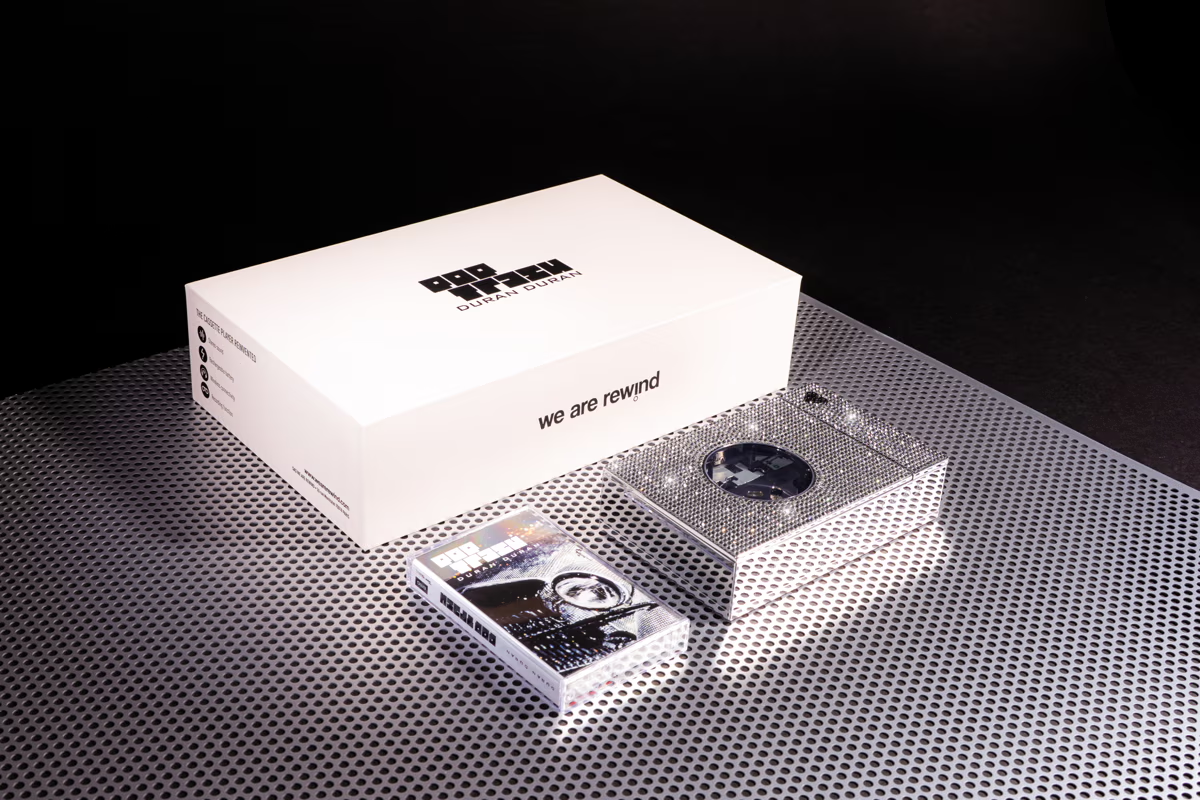
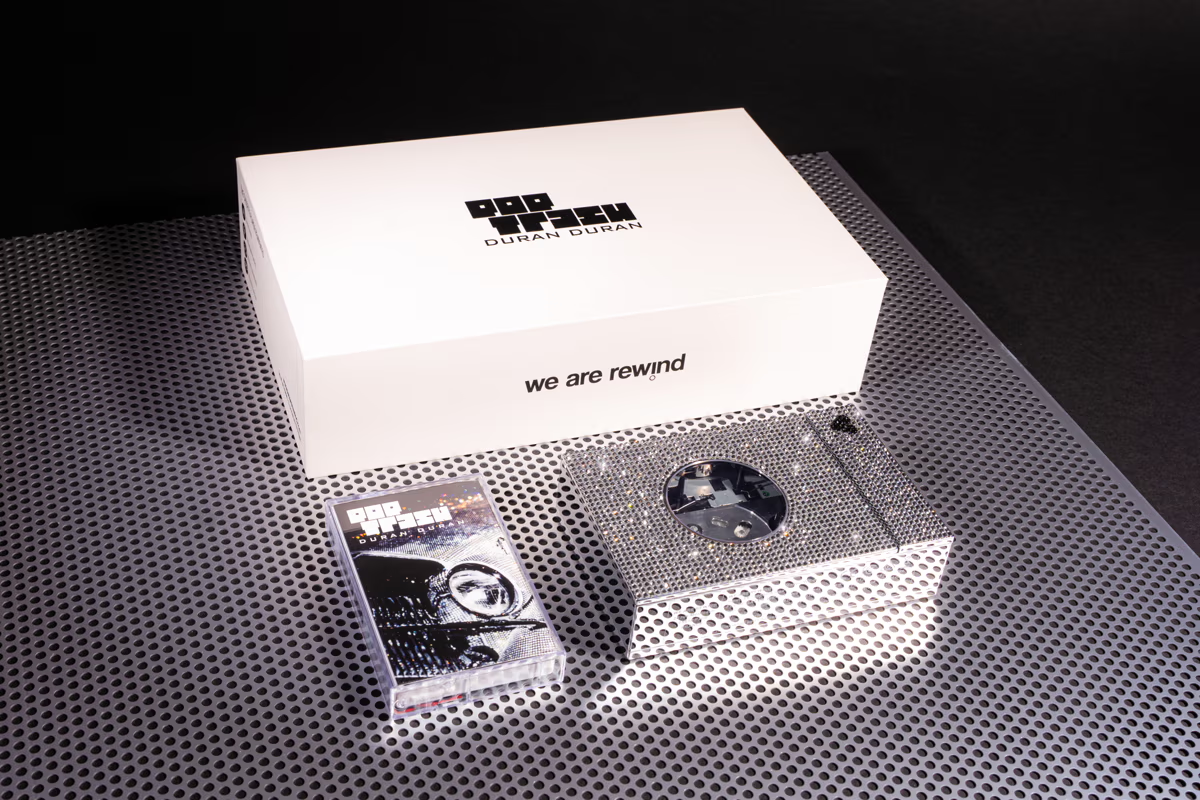
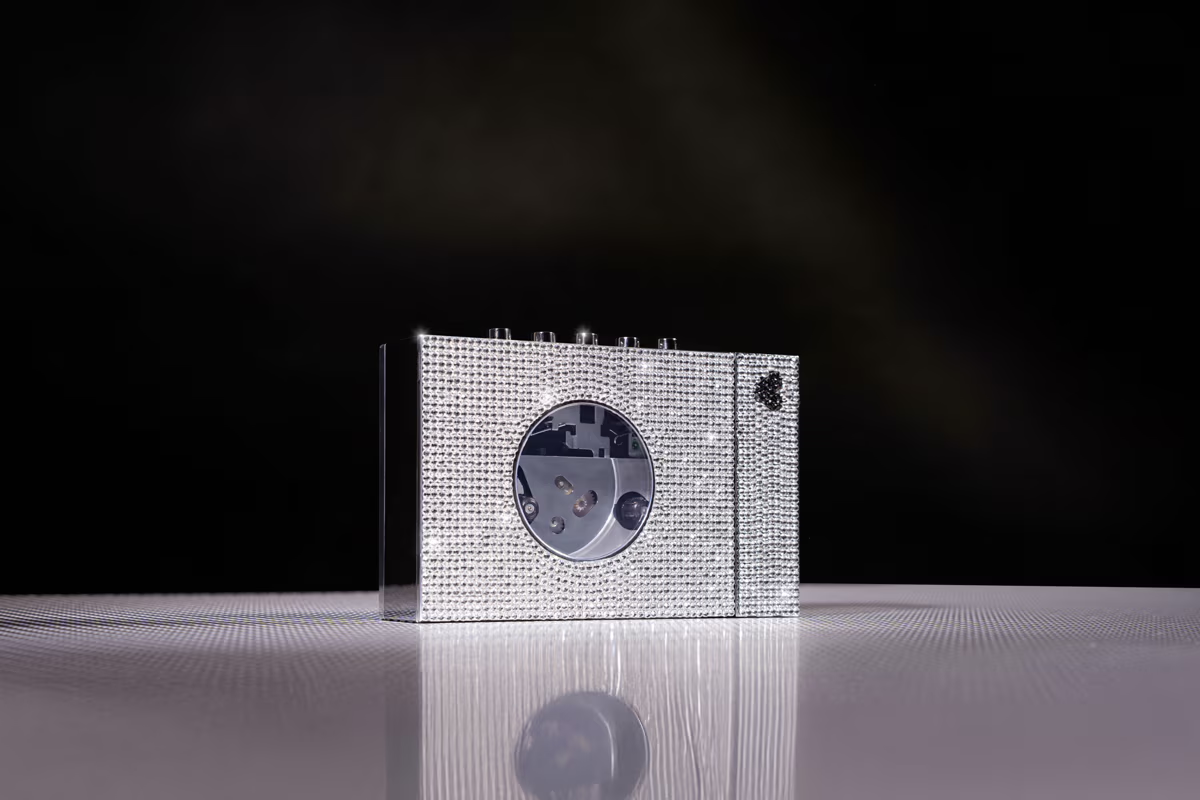
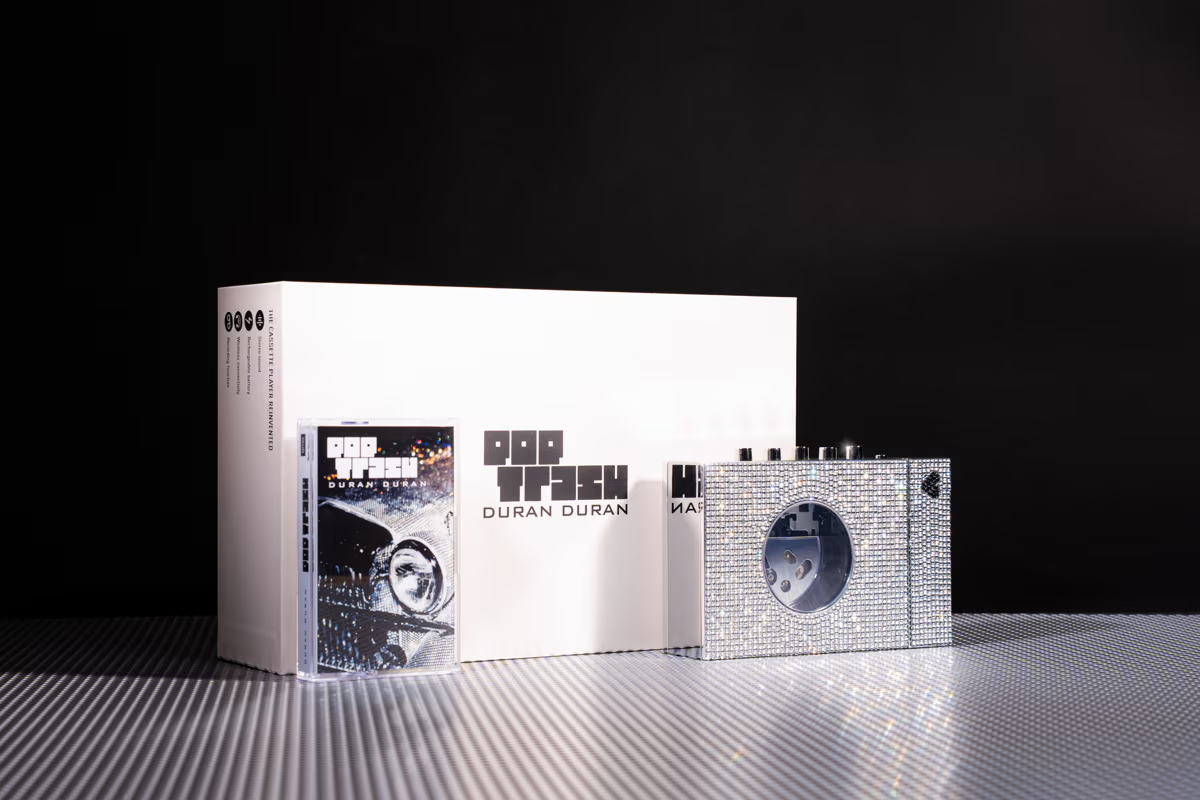
Every so often a product lands on my desk that pulls me straight back to the excitement of discovering music on a physical format. This week it is the WE-001 Duran Duran Special Edition from We Are Rewind, a modern portable cassette player created with the band’s full blessing and visual flair.
Duran Duran teams up with We Are Rewind for a gorgeous new cassette player
If you grew up with cassettes, you will remember the thrill of flipping an album over, hearing the clunk of the keys, and watching the spools spin. This special edition brings all of that back with a welcome dose of modern engineering. Even better, it arrives with a fresh cassette reissue of Pop Trash, complete with those familiar metallic and neon touches that have always followed Duran Duran through their career.
Duran Duran teams up with We Are Rewind for a gorgeous new cassette player
A cassette player built for the present day
The WE-001 looks and feels like something from the band’s own design board. The aluminium shell has a satisfyingly weighty feel, the buttons have a smooth mechanical action, and the audio side of things has been taken very seriously. A dedicated headphone amplifier gives the tapes far more presence and clarity than the portable players many of us owned the first time round.
It connects to wireless headphones and speakers thanks to Bluetooth and charges by USB C, giving around twelve hours of playback. It even records. Plug in a powered mic or use the line input and you can capture your own mixtapes in proper analogue fashion.
For anyone who wants the full nostalgic experience, a pencil is included in the box. You know exactly what that is for.
Duran Duran teams up with We Are Rewind for a gorgeous new cassette player
A collaboration with real heart
The band’s creative art director Andrew Day summed up the project perfectly. When Pop Trash came out, streaming barely existed. Two and a half decades later, celebrating the album with a beautifully designed cassette player feels surprisingly right. He described the finished product as “more Pop and less Trash”, which is a very neat way of putting it.
We Are Rewind founder Romain Boudruche added that Duran Duran’s long history with physical media made the project a natural fit. At a time when music discovery is often reduced to an endless scroll of digital tracks, it is refreshing to see an artist celebrate the value of something you can actually hold.
Interestingly, UK cassette sales rose by more than two hundred percent in the first quarter of this year, so the timing could not be better.
Duran Duran teams up with We Are Rewind for a gorgeous new cassette player
Price and availability
The WE-001 Duran Duran Special Edition is priced at £149 and is available directly from We Are Rewind. If you are a fan of the band, a lover of physical media, or simply someone who enjoys a beautifully built gadget, this is well worth a look.
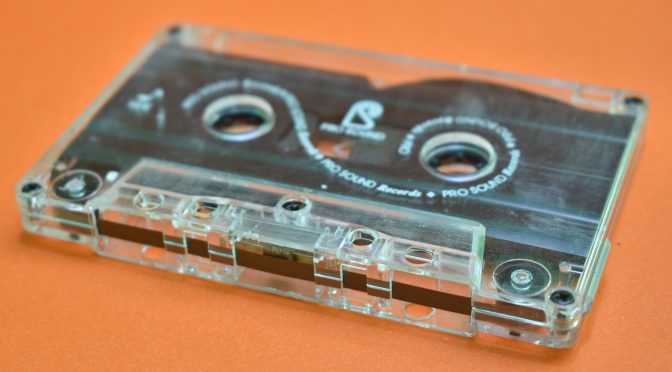
As the new year dawns, we again look back, but this time it’s more than 30 years to yet another audio format resurgence. Now that Vinyl has once again become freely available to the masses after being all but condemned by CD’s, MP3’s and then streaming music, another format becomes the trend of choice. Yes, we are now being encouraged to revisit the Cassette Tape! Another Hipster trend or is there more to it?
HEAD’S UP!! You can listen in to me talking on BBC Radio Suffolk with Mark Murphy about my memories of cassette tapes, don’t forget to Like, Share, Subscribe or Listen directly.
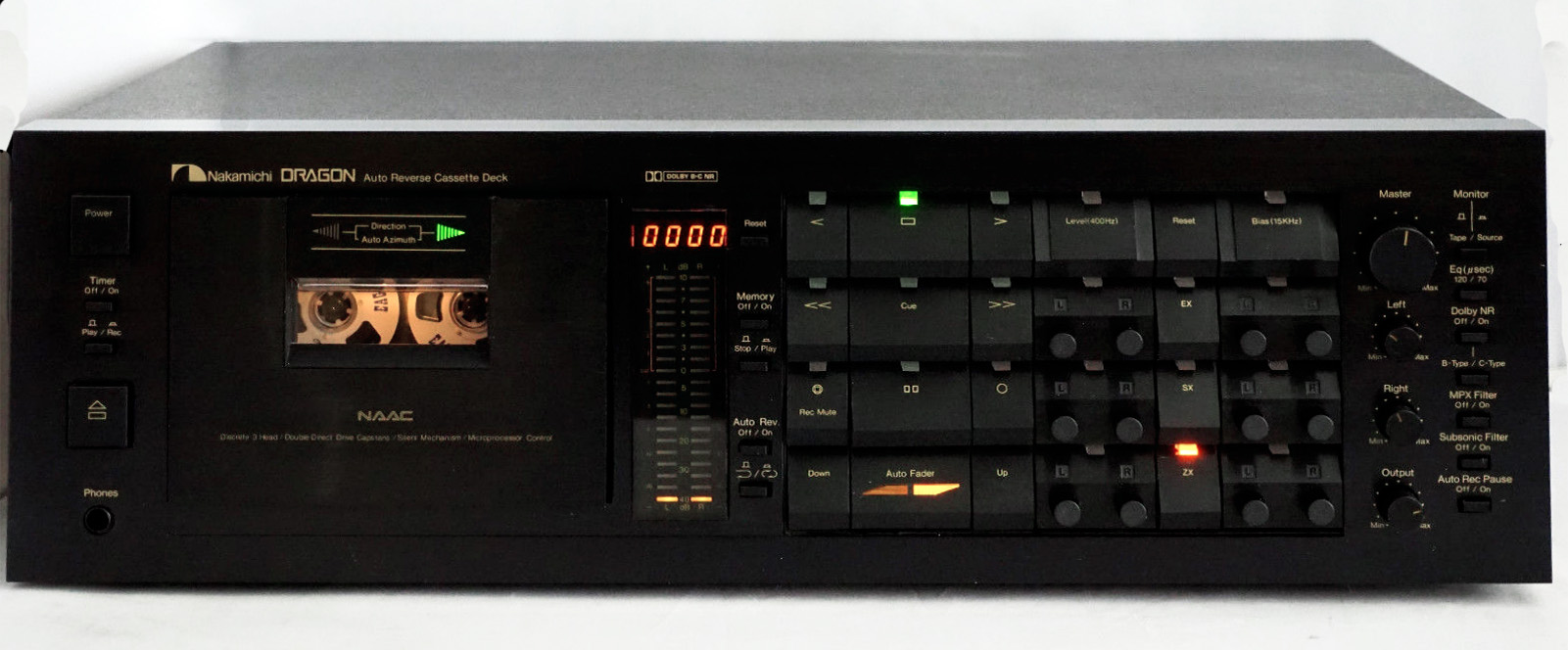
For me, it’s difficult to understand how revisiting this format has any real appeal. The audio quality was mediocre, to say the least. Unless of course, you could afford $2,500 ($5000 in today’s money) for a Nakamichi Dragon Cassette Deck which in 1991 was widely considered to provide the best audio reproduction available.
Nakamichi Dragon Cassette Deck
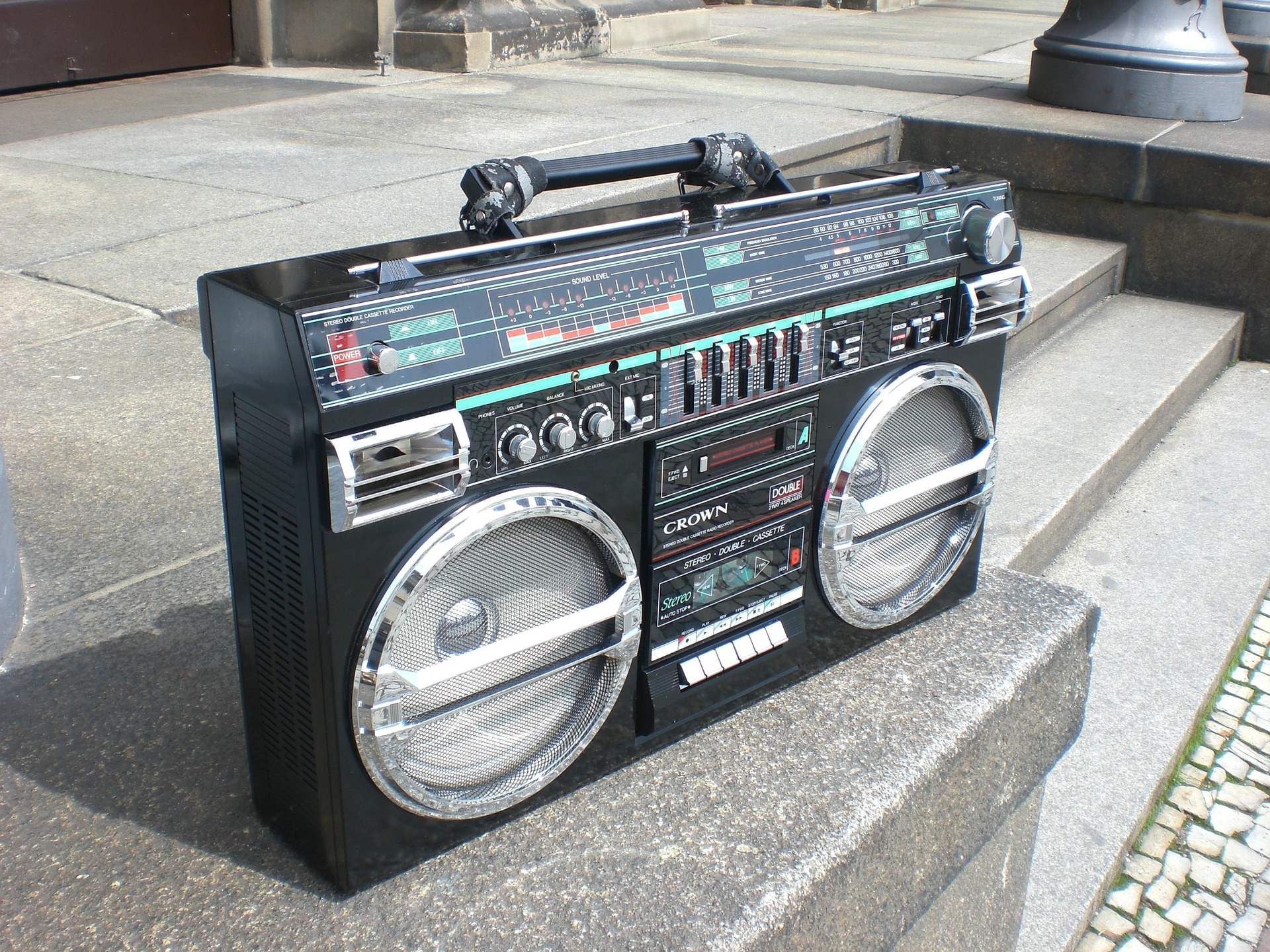
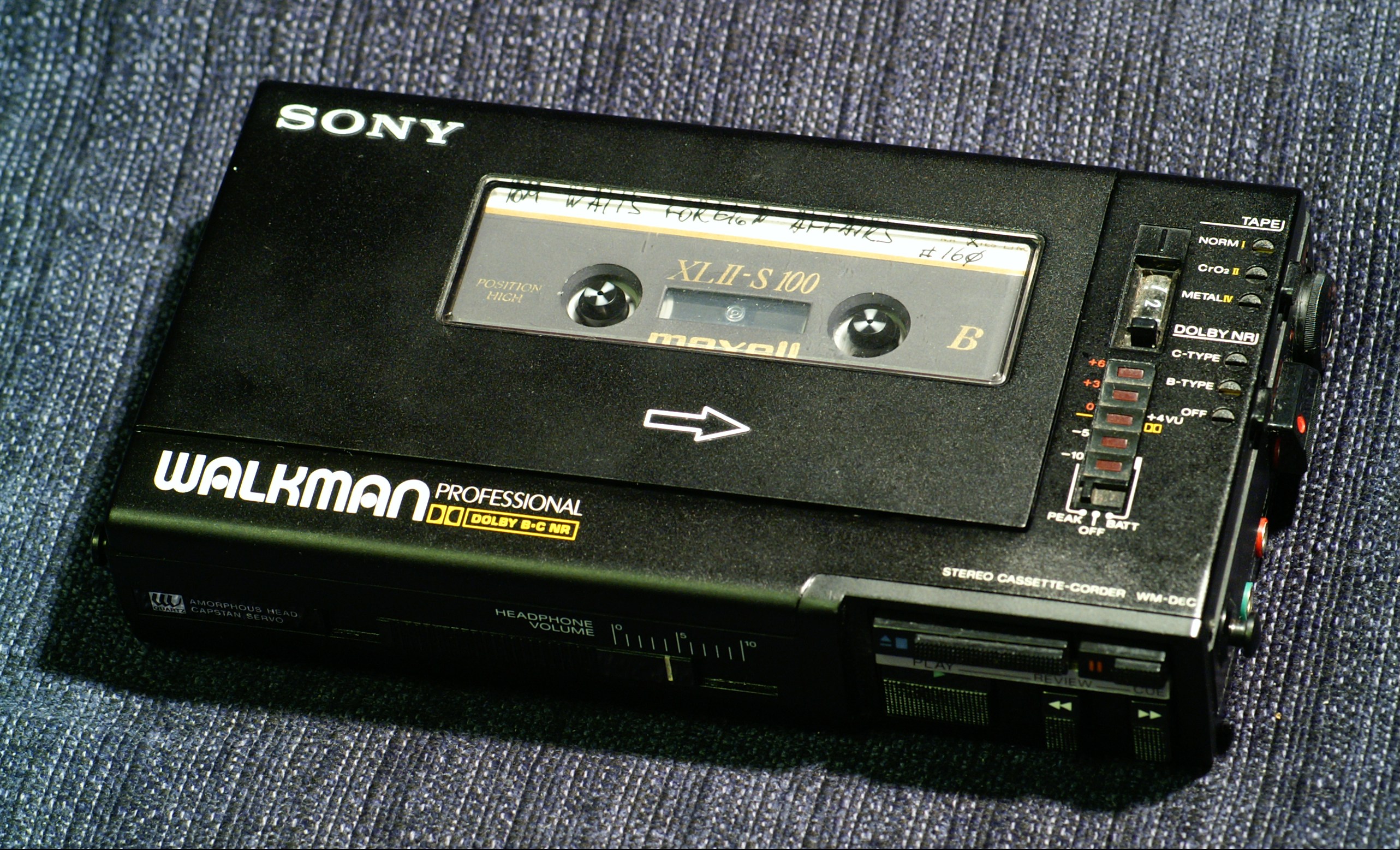
For those of us unfortunate enough to be devoid of 5000 bucks, we instead looked at more portable alternatives, either in the shape of your unfriendly neighbourhood ‘Ghetto Blaster’ or the even smaller ‘Sony Walkman’. Whilst our aspirations for these two devices may have been the popular ‘break dancing’ movies of the era, we would have to face up to lesser versions of both.
Ghetto-Blaster or Boom-Box
The giant Ghetto-Blasters we dreamed of with 20 D-Size batteries, would, in fact, end up with less bulky and much less ‘blasting’ boom-boxes.
Sony Walkman Professional
The incredibly sleek Sony Walkman’s would also be too expensive and thus instead we ‘made-do’ with cheaper and much poorer alternatives featuring tinny headphones and literally all DSP (digital signal processing) technology removed to either keep down costs or avoid licensing fees being paid by the manufacturers.
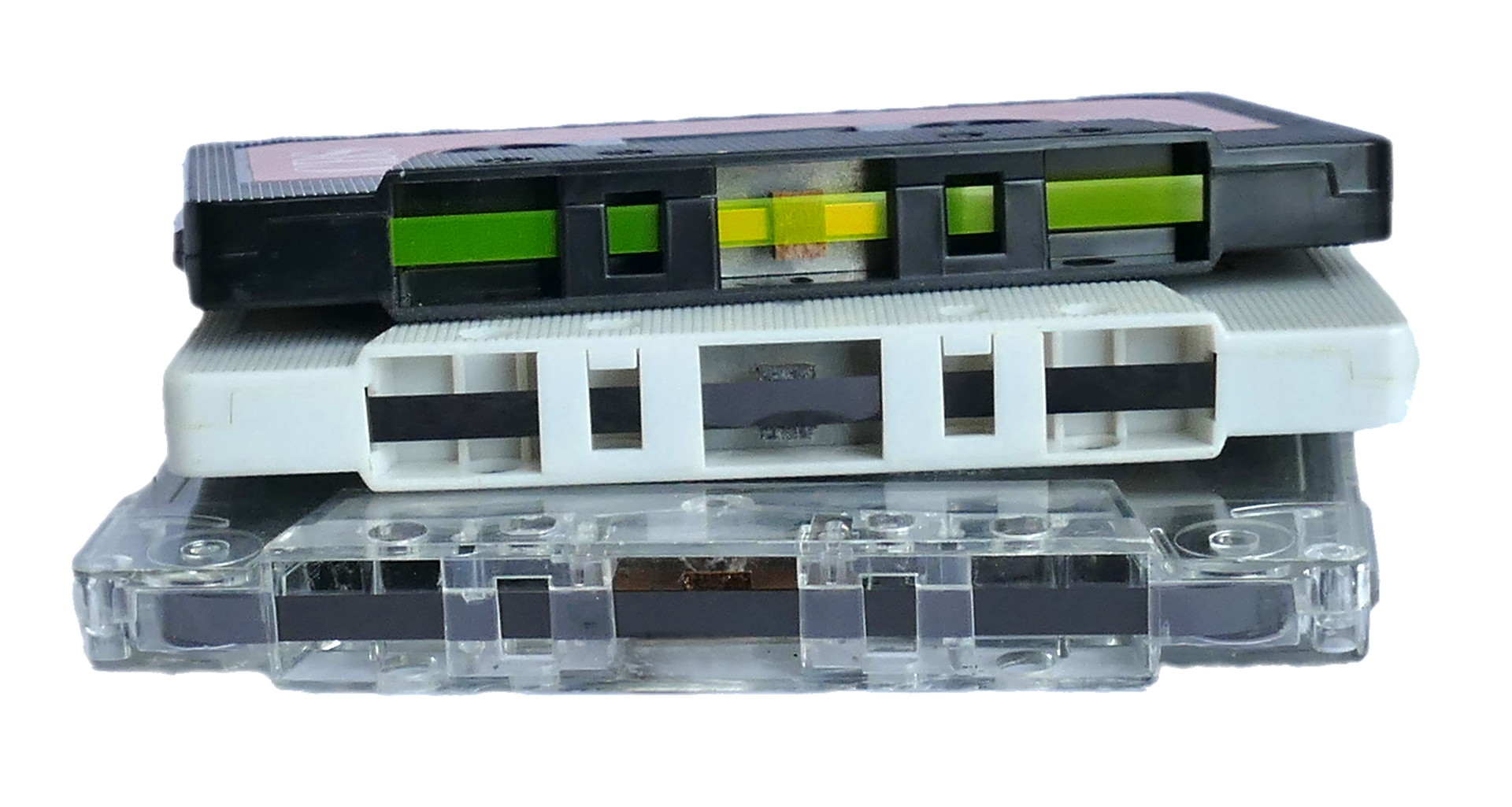
Tape Cassettes did launch the car and personal stereo experiences, which went on to launch the digital experience that we all enjoy today. So just for this alone, we should be thankful. It does not, however, mean that cassette tapes sound any better than anything else that is currently available. We now don’t need to arduously fast-forward or rewind to our favourite tracks and we most certainly do not have to spend hours fiddling around with pencils to re-tension cassettes, it’s now so much easier. So maybe they should stay consigned to charity shops and eBay.
I sit here after reading debate after debate on the need for BST or British Summer Time and it has brought back some fond memories with my own personal battle with time keeping aged 17 – 22 years.
In 2016 there is no reason to EVER be late for anything. We have electronic gadgets to remind us by phone, text, email, popup reminders and our wrists now buzz with the wide variety of wearables. Simplicity is supposed to be the key, we can now set alarms then pause (or snooze) or even postpone them completely. Of course everything is now synchronised on all manner of electronic equipment connected by WiFi, 4g, 3g and bluetooth, it now seems we don’t have any excuse to be late anymore, we can even ask our gadgets to do things without actually physically interacting with them. With the advent of a new generation of ‘smart speakers’ such as Amazon Echo and Google home we won’t even need to remember when it’s time to go to work because these devices will already know. It truly is the dawn of artificial intelligence and machine learning. We are now standing on the precipice of self aware technology.
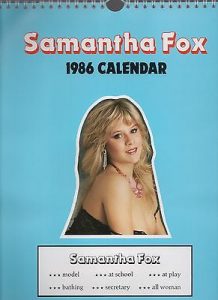
Sam Fox 1986 Calendar, popular in the 80’s
Now… let us take a step back 30 years to 1986 where things were oh so different.
Smartphones? What the hell are they?. Bluetooth was a long lost King of Denmark and email was something people at Berkeley University used to send to each other between classrooms. Calendars hung on walls, normally fixed on one particular month if you happened to own the 1986 Sam Fox Official Calendar.
The master of timekeeping was sitting next to your bed, a wonder of technology who’s sole purpose was to ease your from sleep to awake in an instant, an efficient mechanism which could wake your either brutally with a ear piercing beeping noise or with the assistance of DJ Mike ‘Smithy’ Smith (Rest in Peace) gently coaxing you from your golden slumber, easing you into realities of Monday mornings.
What ‘Gadget’ do you speak of? What mastery of 80’s technology could this be?
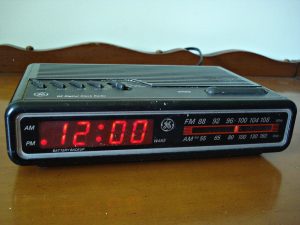
Of course this invention was the ‘Digital Clock Radio’.
Mine was your ‘bog standard’ affair, equipped with Radio or ‘Beep’ alarm with the addition of snooze. An amazing invention to be ignored, paused and sworn at for many years until 1993 when lack of sleep and long hours of work forced be to put my fist through it early one Sunday morning!
There was however a big problem with my digital clock radio, a VERY big problem.
My boss enquiring as to my expected arrival time at the office? Bosses in the 1980s provided workplace based motivational encouragement under a dark cloak of unpleasantness and aggressive threatening undertones.
The device only only allowed one alarm to be set at any one time of the day. This would work fine if every morning you had to rise at 6:50am. During the weekend you would switch the alarm button to OFF, allowing you a short lay-in on a Saturday or Sunday morning (what are they???) and making sure the switch was placed in AUTO on Sunday evening to avoid that ‘Where the HELL are you? call at 10.50am from your boss the next day!
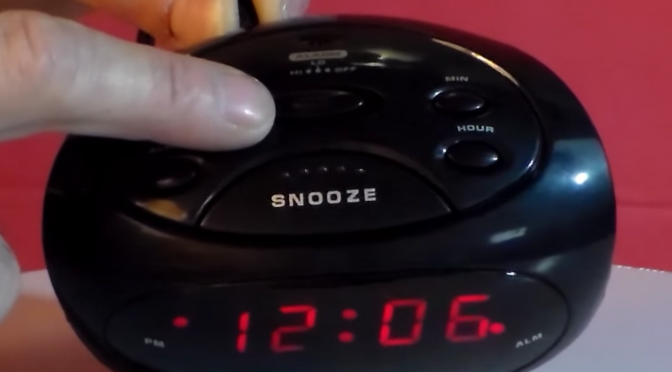
Setting the alarm on a clock radio. A strange contortion of finger and thumb was needed to alter the alarm time.
However, my work hours weren’t regular back then. Sometimes a project needed completing early and the alarm would need to set a couple of hours earlier for the next day. The radio didn’t allow for setting the alarm back a hour, it required repeatedly clicking one button whilst holding the other in order to advance the alarm 22 hours to set it from 7am to 5am, the buttons were never that comfortable or ‘ergonomic’ thus 22 hours of clicking would mean a cricked thumb and sore fingertips. Setting the alarm forward two hours was obviously much less painful. Things got more frustrating when you ‘missed’ an hour whilst cycling past it in haste, causing yet more endless clicking until the desired hour was found (lets not even get on to minutes!).
It came to me in an instant, the solution was obvious!
it was while advancing the alarm through this 22 hour period that it suddenly hit me like a bolt of lightening!! A solution found my accident, by the slip of a thumb, an accidental advance of time rather than alarm! There was no need to go through this tedious task at all! Setting the alarm back 2 hours was easily achieved by simply advancing the main clock forward 2 hours and leaving the alarm where it was, 8pm became 10pm, then the alarm would be shifted forward an hour, the ‘real’ time remaining still, time adjustment was always achieved by setting alarm or time forward, there was not tediously clicking needed anymore.
Thus on that fateful day in 1986, MMT was born, but this wasn’t the internationally recognised Myanmar Mean Time, no this was my personal time zone named Matthew Mean Time, a constantly moving time zone designed to allow me to get into work on time without sore fingertips!
A nonsensical time to visitors who remained befuddled and annoyed at the clocks apparent state of incorrectness . Interference commonly threatened the consequence of unplanned, unexpected and unwanted early morning awakenings.
The nonsensical mess of time displayed on my Digital Clock Radio that mean’t so much to me, the protector of timekeeping, the barrier from verbal and written warnings for repeated lateness at work mean’t absolutely nothing to visitors who remained confused and befuddled by the meaningless number displayed on my bedside clock. Some would bring the ‘error’ to my attention even offering to correct it for me. On one occasion a friend adjusted the time to GMT for me whilst I was out of the room and thus cause the alarm to sound at 2.30am the next day! But still MMT continued until 1991 when it travelled with me to live in Harrow but was deemed unacceptable by my partner and it’s use immediately ceased.
Although a good idea, MMT was sometimes met with confusion and derision. Frustration led to attempts to correct the time which in turn had drastic implications.
Whilst I sit here writing this article, the day after the clocks have ‘gone back’, the end of British Summer Time 2016, with the inevitable drag of darker, colder evenings, I lament at the demise of MMT and it’s five year reign in my life, along with the repeated “What the HELL is wrong with your clock Matt?” and it’s proud reply…
“Oh that? Don’t worry, that’s just Matthew Mean Time”
Happily the need for such amateurish horology related hokum is unnecessary in todays world. Altering your alarm time is now as simple as uttering the words ‘OK Google’ and crossing your fingers.



 Tape Cassettes did launch the car and personal stereo experiences, which went on to launch the digital experience that we all enjoy today. So just for this alone, we should be thankful. It does not, however, mean that cassette tapes sound any better than anything else that is currently available. We now don’t need to arduously fast-forward or rewind to our favourite tracks and we most certainly do not have to spend hours fiddling around with pencils to re-tension cassettes, it’s now so much easier. So maybe they should stay consigned to charity shops and eBay.