There’s a quiet shift happening in the world of tech. For years, smartphones have been on a relentless march toward doing more, showing more, and demanding more of our attention. Now, a UK startup called Sayph is heading in the opposite direction… and it’s rather refreshing.
Sayph has unveiled what it describes as the UK’s first responsible smartphone for children aged 8 to 16. Not a cut-down adult device. Not a standard handset wrapped in layers of parental controls. Instead, this is something altogether different, a phone designed from the ground up with a very specific purpose in mind.
A Middle Ground That Actually Exists
For many parents, the decision is a familiar dilemma. No phone at all, or a fully fledged smartphone with all the baggage that comes with it. Social media, open internet access, endless notifications… it’s a lot.
Sayph positions itself squarely in the middle.
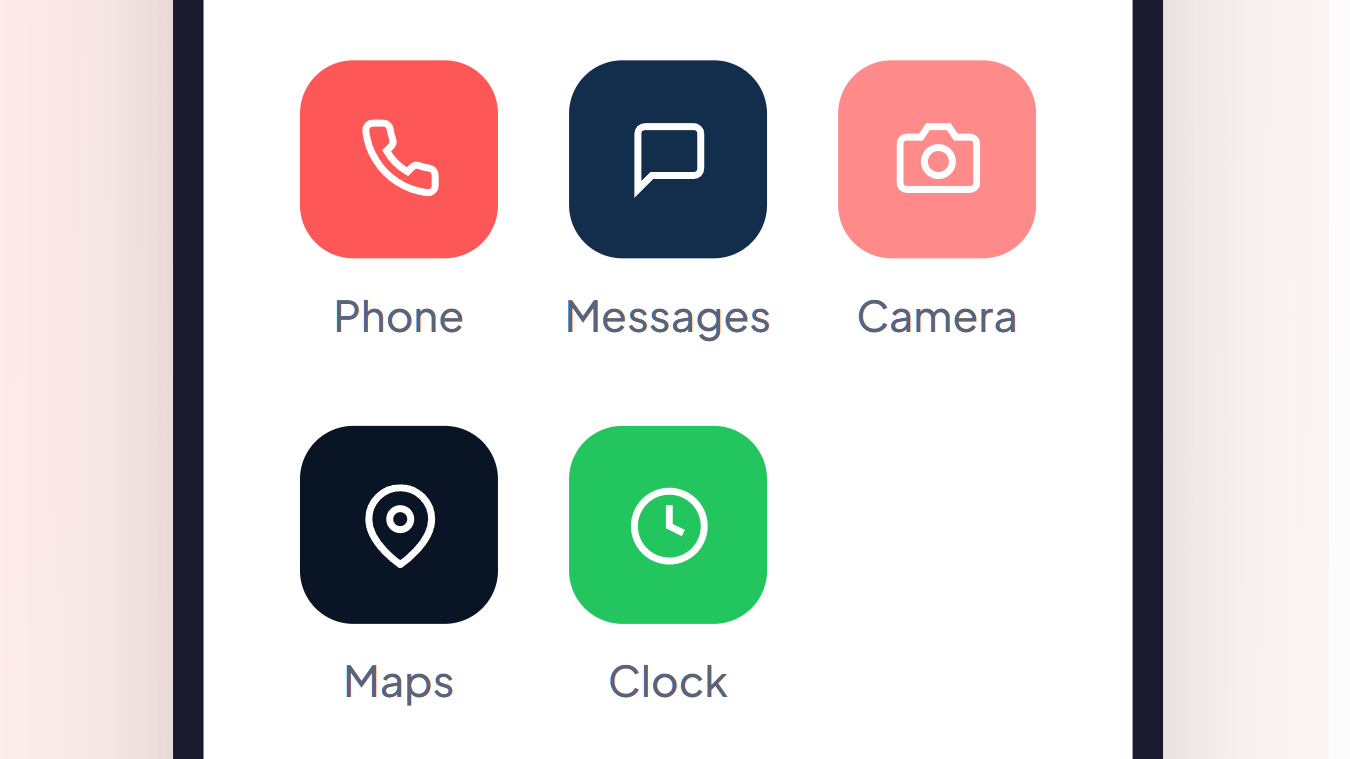
Out of the box, the device focuses on the essentials. Calls, one-to-one messaging, and location tracking. That’s it. No social media apps. No app store. No web browser unless a parent explicitly decides to enable it.
This isn’t about locking things down after the fact. It’s about starting from a place of simplicity and control.
Built Different, Not Bolted On
What makes this interesting is the philosophy behind it. Most devices rely on add-ons and restrictions layered over a standard smartphone experience. Sayph flips that approach completely.
Everything is intentional.
Contacts must be approved. Communication is controlled. And instead of navigating endless menus and toggles, parents use a companion web app designed to give clear oversight without turning into a full-time job.
It’s less about surveillance, more about structure.
Independence Without the Noise
Co-founder Ben Humphrey sums it up neatly, describing the challenge many families face today: giving children independence without exposing them to the pressures of always-on digital life.
Walking to school. Visiting friends. Staying in touch. These are the real-world use cases Sayph is built around.
Not scrolling. Not chasing likes. Not being pulled into the endless gravity of online platforms.
Fellow co-founder Ami Penolver frames it slightly differently, positioning the device as pro-childhood rather than anti-technology. It’s a subtle but important distinction, and one that feels increasingly relevant.
Pricing and Positioning
At £189 for the handset and £5 per month for the parental platform, Sayph is clearly aiming to sit in an accessible space. Not a premium luxury device, but not a disposable gadget either.
It’s a considered purchase. One that reflects a shift in thinking about what a child’s first phone should actually be.
Tech With a Social Angle
There’s also an interesting layer beyond the hardware itself. Sayph has built a social impact model into its rollout.
For every ten devices purchased within a school, one is donated to a pupil premium child. For every hundred devices sold overall, another is provided to a looked-after child.
It’s a small touch, but one that hints at a broader ambition. Not just selling devices, but shaping how children access technology in the first place.
There’s something quite compelling about a product that deliberately does less. In a market obsessed with features, specs and endless capability, Sayph feels like a bit of a reset button.
A phone that knows exactly what it’s for… and more importantly, what it isn’t.
And in today’s world, that might just be its biggest feature.
Available now at Sayph
Discover more from The Gadget Man | AI & Tech News and Reviews | Matt Porter
Subscribe to get the latest posts sent to your email.