
Every business today, whether it’s a solo freelancer or a big corporation, relies on a bunch of digital tools to get things done. This collection of software, apps, and platforms is your ‘tech stack,’ and chances are it’s just grown organically over time. While each tool might be great on its own, a disconnected stack can waste time, require manual data entry, and cause frustrating errors. This is where smart automation steps in, turning your collection of tools into a smooth, efficient machine that works for you, not against you.
Optimising your tech stack isn’t about buying more software; it’s about making the software you already have work better together. It means finding bottlenecks and repetitive tasks and letting technology handle them, freeing up your team to focus on what really matters.
What Is a Tech Stack and Why Should You Care?
Think of your tech stack as your business’s digital toolkit. It includes everything from the email client you use to communicate, to the project management board that organises your tasks, and the accounting software that tracks your finances. For many businesses, they haven’t intentionally designed this stack. You add a new tool when a new need pops up, which often creates a patchwork of systems that don’t talk to each other.
A tech stack that isn’t optimised creates hidden costs. For example, your sales team might close a deal in one system, then someone has to manually copy that customer’s details into a separate invoicing system, and then again into your marketing email list. Each manual step creates a chance for human error and drains productivity. A well-optimised stack connects these processes, saves time, and keeps data consistent across your entire operation.
Automating the Repetitive to Free Up Your Team
The most immediate benefit of automation is getting back the hours spent on tedious, repetitive work. Administrative tasks are often the biggest culprits, eating up valuable time that could be better spent on growth, strategy, or customer service. Consider the complex, rule-heavy processes in finance and HR, like managing the monthly payroll. Calculating wages, national insurance contributions, and pension deductions for every employee is time-consuming and high-stakes.
This is where dedicated payroll software can transform operations, ensuring accuracy and compliance while freeing up valuable time. Instead of manual calculations and data entry, the system handles it automatically. This principle applies across the business. From auto-responding to customer queries to generating weekly reports, automation tools can take over predictable tasks, letting your team focus on more creative and strategic work.
Connecting Your Tools: The Power of Integration
True tech stack optimisation happens when your different software platforms start talking to each other. This is called integration, and it’s the key to creating seamless workflows. Modern automation platforms like Zapier or Make let you create ‘if this, then that’ rules that connect applications that would otherwise be separate. The possibilities are huge and can be tailored to your specific business needs.
For instance, you could set up an automation where a new positive review on a public platform automatically triggers a post on your social media channels. Or, a completed task in your project management tool could automatically send a notification to your team’s communication channel. Building these bridges between your apps helps you streamline processes and removes the need for manual intervention, reducing delays and ensuring nothing gets missed.
Making Smarter Decisions with Data Automation
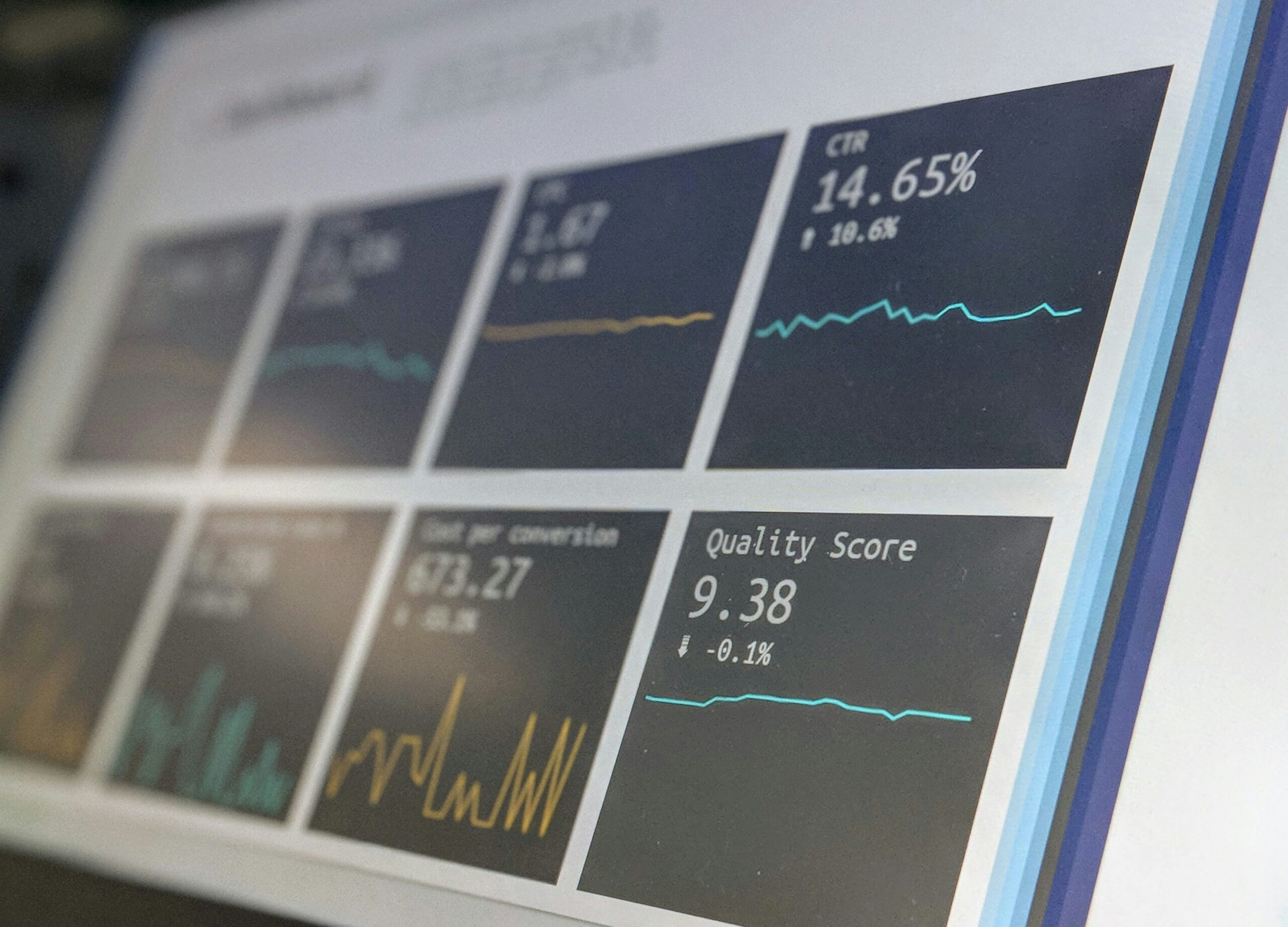
Beyond just completing tasks, automation is incredibly powerful for gathering and presenting data. Your business generates a huge amount of data every day across sales, marketing, operations, and customer support. Manually pulling this information into a useful format is a big challenge. Automated dashboards can pull data from all your tools into one central place, giving you a real-time view of how your business is performing.
You can track key performance indicators (KPIs) without spending hours building spreadsheets. This instant access to accurate information means faster, more informed decision-making. You can spot trends as they emerge, identify potential problems before they get bigger, and allocate resources more effectively. Many businesses use these insights to optimize IT budgets, ensuring that money spent on technology delivers a clear return.
Automating routine tasks and integrating your digital tools helps you build a more resilient, efficient, and intelligent business. It lets you do more with less, reduces the risk of costly errors, and gives your team space to focus on the work that truly drives growth. The best way to begin is to identify just one recurring frustration in your workflow and explore how automation could solve it.
Discover more from The Gadget Man | AI & Tech News and Reviews | Matt Porter
Subscribe to get the latest posts sent to your email.




Cana David
I think the point about stacks growing organically is often overlooked. Teams rarely map where data gets re-entered by hand, so the hidden costs keep compounding. Auditing existing tools for integration gaps before buying anything new seems like the smarter first step. I appreciate the emphasis on fixing what you already own rather than adding more subscriptions.