Home EV charging has progressed from basic power delivery to connected technology that can respond to energy prices, household demand and the wider electricity network. Early systems gave drivers a convenient way to recharge overnight, while modern units offer scheduling, app controls and automatic power balancing. The next generation could go further, turning parked electric cars into useful energy storage for homes and local grids.
Early Charging Solutions
The earliest home charging setups often relied on a standard domestic socket. This approach was accessible, but charging could take well over 20 hours for an EV with a larger battery. Regular sockets also weren’t designed to supply high power continuously for long periods.
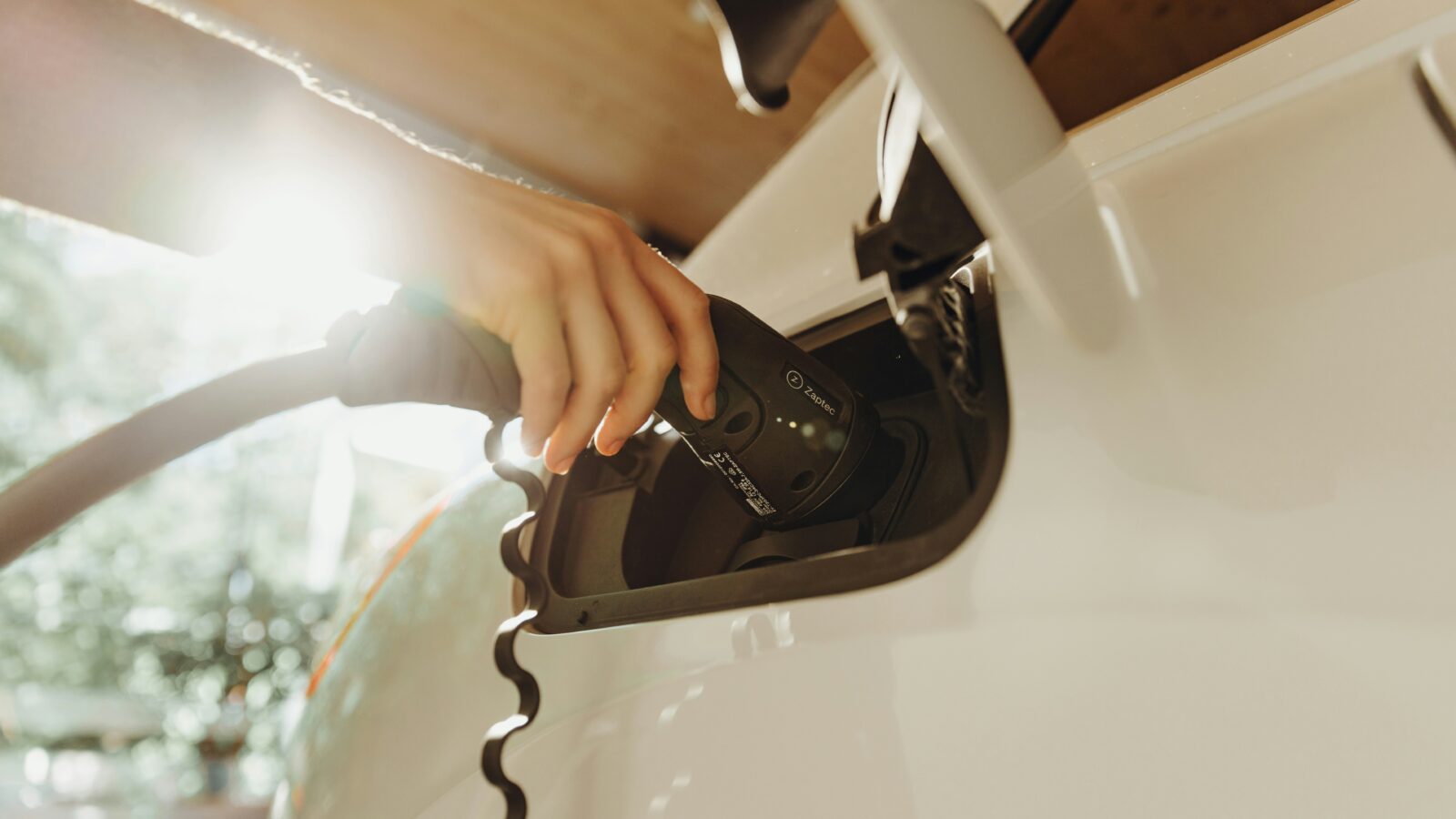
Dedicated wall-mounted units improved the experience. A typical 7 kW home charger can add roughly 25 to 30 miles of range per hour, depending on the vehicle. Drivers could arrive home, plug in and wake to a charged car. These units also introduced built-in safety monitoring and weather-resistant enclosures, creating the practical foundation for the charging industry’s evolution.
Smart Charging on the Rise
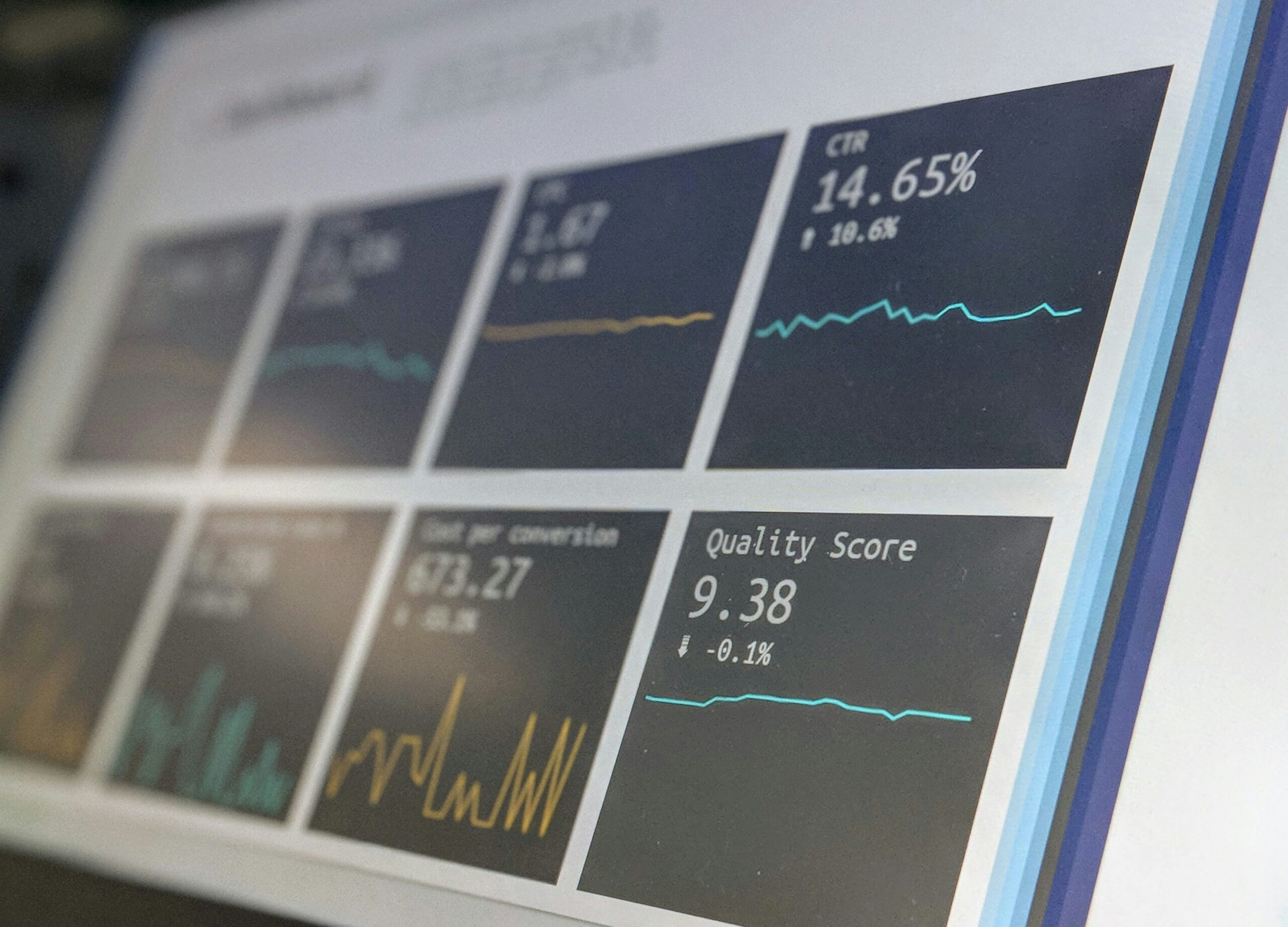
Connected chargers brought software into the equation. Most current models can schedule charging for quieter periods, show energy use through an app and receive remote updates. If your electricity tariff has cheaper overnight rates, the charger can automatically wait until that window opens.
Compatibility and installation still matter. Before installing EV charger equipment at home, check the available parking position, Wi-Fi or mobile signal and the route from the consumer unit. It also helps to compare tethered models, which have a permanently attached cable, with untethered units that offer a tidier appearance. App quality deserves attention too, since clear controls make scheduling much easier.
Vehicle-to-Grid Capabilities
Vehicle-to-grid technology, usually shortened to V2G, allows a compatible EV to send electricity back to the grid. Its close relative, vehicle-to-home technology, can supply power directly to household circuits. A car plugged in overnight could charge when demand is low, then export a small amount during an evening peak.
This requires a bidirectional charger, a compatible vehicle and support from the relevant energy provider. Availability remains limited, so buyers should avoid assuming that every modern charger will support it through a software update. Still, the concept is central to the future of EV charging, particularly as renewable generation creates more variable supplies of electricity.
Seamless Power Management
A home’s electricity demand changes throughout the day. An oven, induction hob, heat pump and EV charger could all operate at once, placing a heavy load on the supply. Dynamic load balancing monitors total demand and adjusts the charger’s output before the household limit is reached.
For example, a charger might temporarily reduce its rate while dinner is cooking, then return to full output once the kitchen appliances switch off. This happens without the driver needing to change any settings. Solar integration offers another useful option, directing spare generation into the car instead of exporting it.
Reliable Installation for New Tech
Advanced features depend on sound electrical work. An installer should assess the existing supply, consumer unit, cable route and earthing arrangements before selecting protective equipment. They should also place the charger where its cable can reach the vehicle without crossing a pavement or creating a trip risk.
Ask who will configure load balancing, connect the unit to its app and explain its everyday controls. Keep the installation certificate, warranty information and charger account details somewhere accessible, as they may be needed for support or when selling the property.
A well-sited charger with dependable connectivity will be better prepared for tariff changes, solar panels and compatible vehicles. The smartest feature is only useful when the underlying installation can support it safely and consistently.
Discover more from The Gadget Man | AI & Tech News and Reviews | Matt Porter
Subscribe to get the latest posts sent to your email.