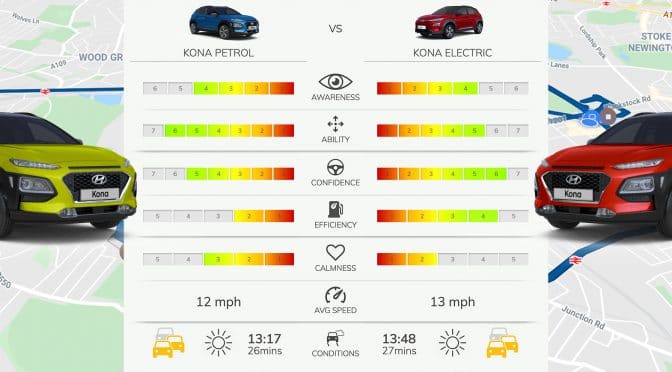
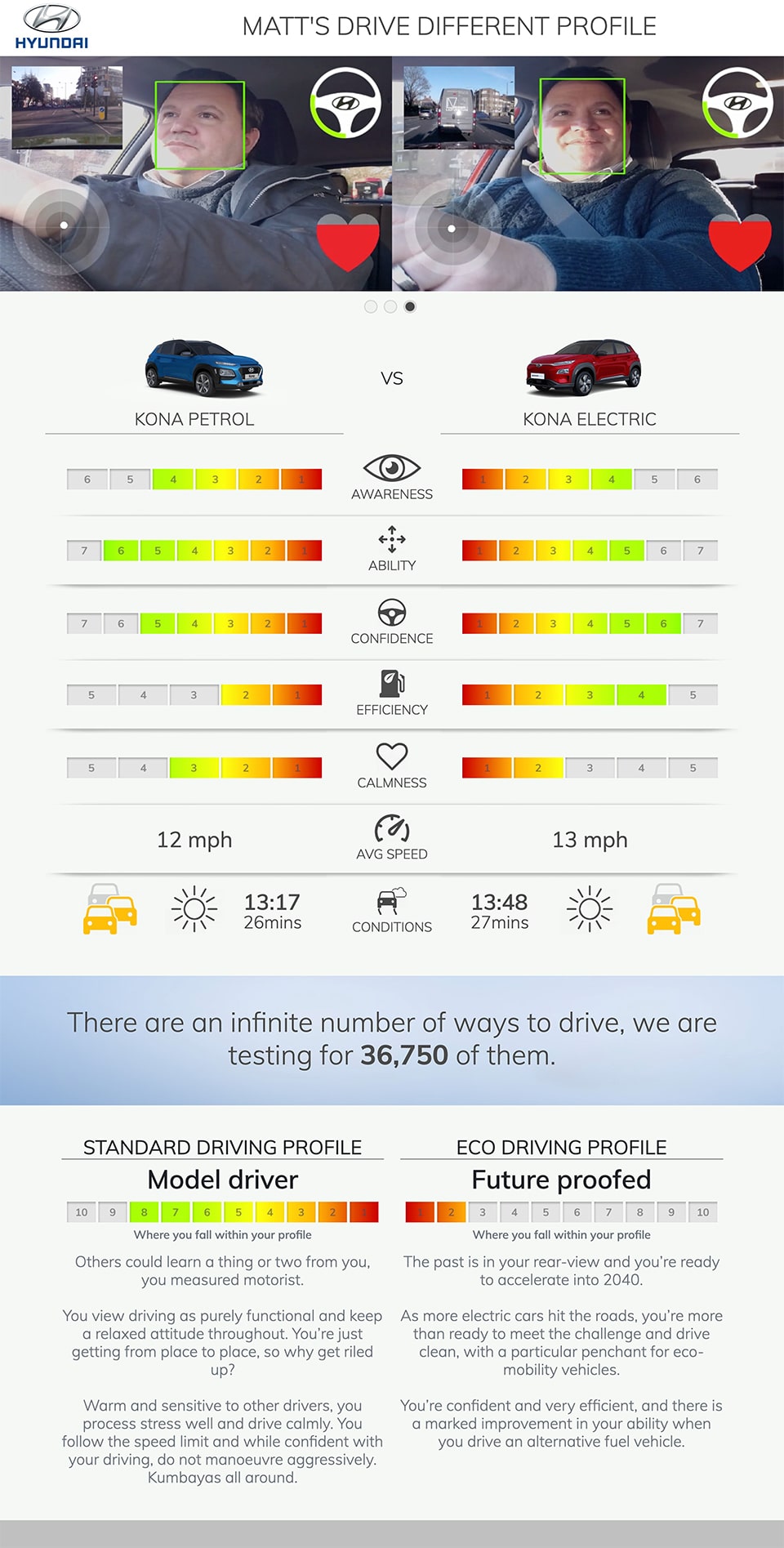
This week I travelled to London to take part in the Hyundai Drive Different Test. In my previous post, I provided details on the thinking behind this initiative.
Today, I spoke to James Hazell on BBC Radio Suffolk about my experience and what I think made driving each car different.
Listen to the stream above and view the cockpit videos below to see some of what I experienced during the day.
Apparently using your Laptop in a Cafe at the weekend is no longer a ‘thing’. According to the Daily Mail, a cafe owner in Belsize Park has placed a ban on the use of laptops during weekend hours because it takes up valuable space during busy periods.
The ban has caused a regular customer to accuse the owner of bullying. Francesca Specter said, “the ban amounts to bullying of those who want to spend time alone”, she continues ‘I live by myself and part of my weekend routine is I go and get some headspace and enjoy breakfast and brunch by myself at one of the local cafes. The owner took one look at the iPad I was reading my paper on and said you can’t do that in here. I thought it was a situation where I was being bullied and I was by myself so I was in this minority. I had to leave and haven’t been back since.’
The owner, Mojgan Mohajer said ‘My cafe is quite small,’ she explained. ‘I received a lot of complaints from customers during the weekend that lots of people were coming with a laptop and sitting and they couldn’t have a table.’
Let’s all go to the Cafe and moan about our civil liberties being breached because we aren’t allowed to use a laptop while we share 1/2 a cup of coffee between us!
Computers and tablets are used widely, in fact anywhere you can find somewhere to sit, be it train, bus, park bench or cafe, you will find staring at a smartphone, tablet or laptop.
Personally, I’m siding with Mojgan. She does have a small cafe and although during the week she would like to attract people to her establishment at quieter times, the weekends will be much busier and she, of course, would like to maximise her income on the busiest day.
With regard to the bullying accusation, I’m speechless.
You can listen in to my chat with Mark Murphy on BBC Radio Suffolk where we talk about using devices on public WiFi hotspots.
Welcome to Episode 149 – It’s all go again with the mobile phone market in the UK, the confusion surrounding Mobile Virtual Network Operators and actual network operators becomes confusing again! Virgin Mobile is currently carried by EE which in turn is owned by arch-rival BT, so now Virgin is moving to Vodafone. It shouldn’t affect your service, but you should check your coverage as EE and Vodafone may differ!
Britbox has now launched in the UK, although it was launched in the USA some time ago. Britbox offers BBC and ITV material and will also offer Channel 4 and Channel 5 stuff to in time. It becomes confusing when much of the material is still offered on BBC iPlayer, ITV Hub, All4 and My5, you can even pay for some of these services to remove the adverts with ITV Hub+, 4+. I’ve signed up to check it out, so more on this later. I’m not terribly sure it has room to operate alongside global players such as Netflix, Amazon and Apple TV. Time will tell.
UK Drone registration is now compulsory for anyone flying an aircraft over 250g. Operators have until the end of the month to register their drones. It requires the payment of a £9 annual fee and you must affix your Operator ID to any drones you choose to fly.
Yikes!!! From a few weeks back! Here is Episode 148 where I spoke to James Hazell about Three, Vodafone and Samsung… Oh, I also got cut off from Facetime during the conversation.
All the issues are resolved now, but it should make informative listening.
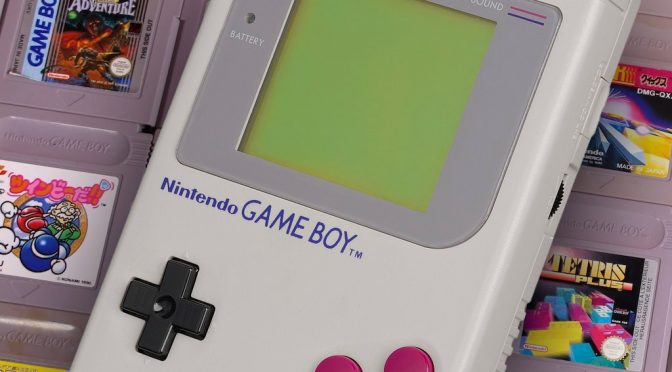
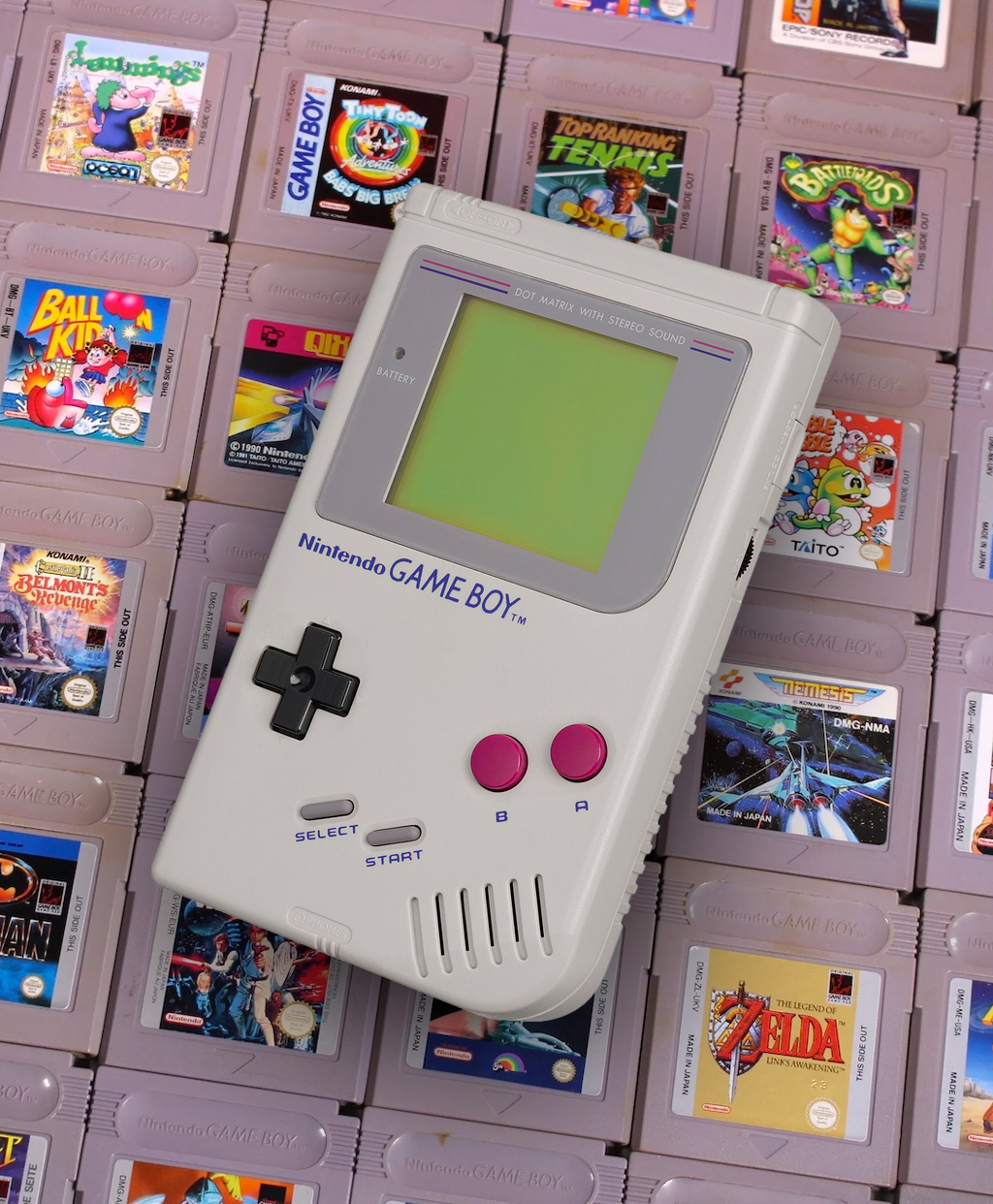
In the final episode of my Retro Gadget of the Week, I bring you the Nintendo Game Boy.
This is an exclusive episode which was never broadcast. I’d like to be able to say it was too hot for broadcast, but in reality, it never made it because of time constraints on BBC Radio Suffolk. But here it is in all its glory, exclusively available to your pleasure!
Nintendo Game Boy in front of Assorted Games Cartridges
Nintendo Game Boy
The Game Boy was an 8-bit portable games console designed and built by Nintendo, it was released in Japan in 1989 and then 12 months later made it to the USA and Europe.
The console featured a green, greyscale screen, but excelled in battery life against its arch-rivals, the Sega Game Gear and Atari Lynx. Along with an extremely durable case, both these features went towards beating it’s technically more advanced rivals.
The Game Boy came with the puzzle game, Tetris with later bundles including the legendary Super Mario Land, both were excellent games with fabulous soundtracks which didn’t become irritating.
The original Game Boy was a smash hit with gamers and went on to sell almost 65 million units. Nintendo kept gamers attention by releasing backwardly compatible upgraded units such as the Game Boy Color, Game Boy Light and Game Boy Advance.
As will other format wars, the gadget you least expect to win on paper is the victor and the Game Boy was certainly that, a truly great retro gadget which deserves to round off this series.
If you haven’t already, listen in to the stream as it contains 6 minutes of discussion about the Game Boy and its rivals and a little bit of history behind them.
Thanks to Matt Marvell at BBC Radio Suffolk for hosting my segment for the last 12 weeks and for producing this final one.
Don’t forget to Like, Share, Subscribe and Comment!!!
So what has been happening in the Electric Car market over the past couple of years?
Well, since my slew of Electric and Hybrid car reviews a couple of years back and our mega-exciting East-West Road Trip in the Tesla Model S 100D, we’ve been quiet on that front. The absolute opposite of what has been happening in the EV marketplace.
I spoke to Graham on BBC Radio Suffolk about what’s happening with regard to charge points and speed of charging, you can listen in to the audio stream above to find out more.
However, something super-exciting is happening in motorsport. Now that Formula-E fully electric car racing has established itself, it’s now time to turn up the power even more and with a new sport created by the father of Formula-E.
Extreme E – A radical new racing series.
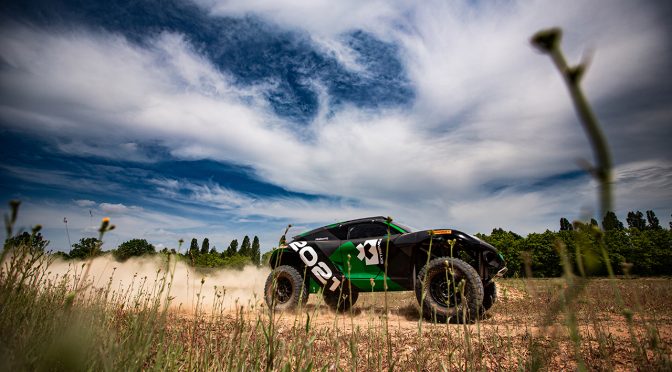
Extreme E is a radical new racing series, which will see electric SUVs competing in extreme environments around the world which have already been damaged or affected by climate and environmental issues. The five-race global voyage highlights the impact of climate change and human interference in some of the world’s most fragile ecosystems and promotes the adoption of electric vehicles to help preserve the environment and protect the planet.
Extreme E is operated in association with Formula E – the organiser of the ABB FIA Formula E Championship. Extreme E is committed to sustainability and minimising environmental impact – as well as playing its part in rebuilding and restoring areas already impacted by climate change
A new breed of racing means a new breed of the motorcar.
The car, named ODYSSEY 21, will feature in Extreme E’s radical new racing series which will highlight the impact of climate change on some of the world’s most fragile ecosystems, and promote the adoption of electric vehicles to help preserve the environment and protect the planet.
So, that’s just one thing that’s happening in the electric car market.
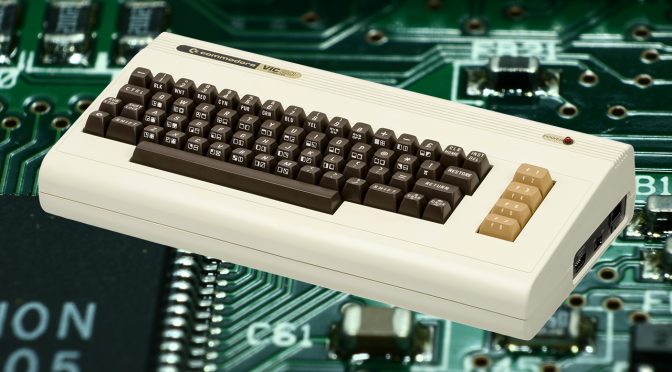
In our penultimate episode of Retro Gadget of the Week, we take a look at one the most revolutionary moments in computer history, where an explosion of homegrown talent changed the very face of the personal computer marketplace and faced up directly the power of Silicon Valley with low-cost home computers designed in the UK
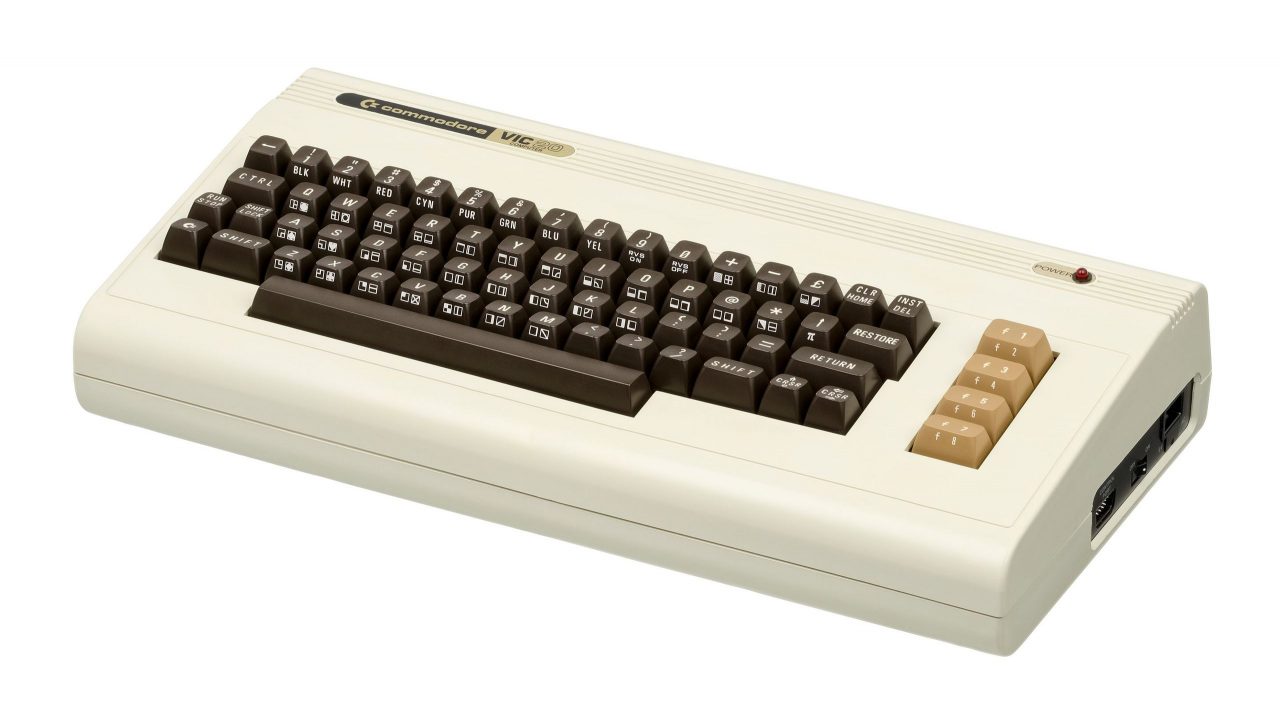
Commodore VIC20 Personal Computer, my first computer in all it’s 3.5k glory and 22 columns display
I was very lucky to receive a Commodore VIC20 personal computer for one of my birthdays in the 80s and proceeded to embrace coding head-on! Unlike other home computers, the VIC20 only supported it’s own tape drive, so instead of using our portable cassette play like my mates with Sinclair ZX Spectrums, I had to wait until I save enough money to buy my own Commodore Datasette. This meant that every single program I wrote on the Vic was lost when the power was switched off, I either needed to write down my code or memorise it!
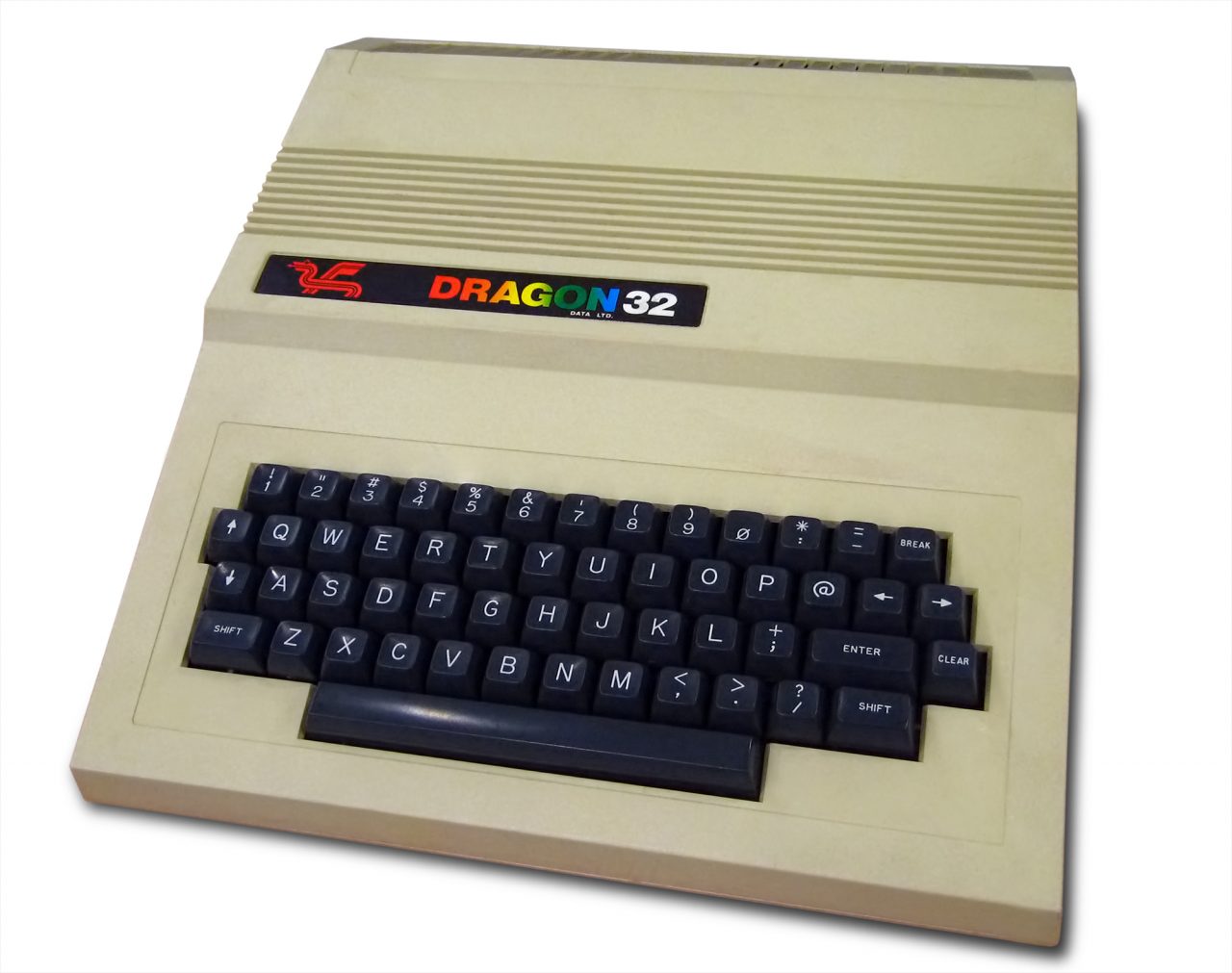
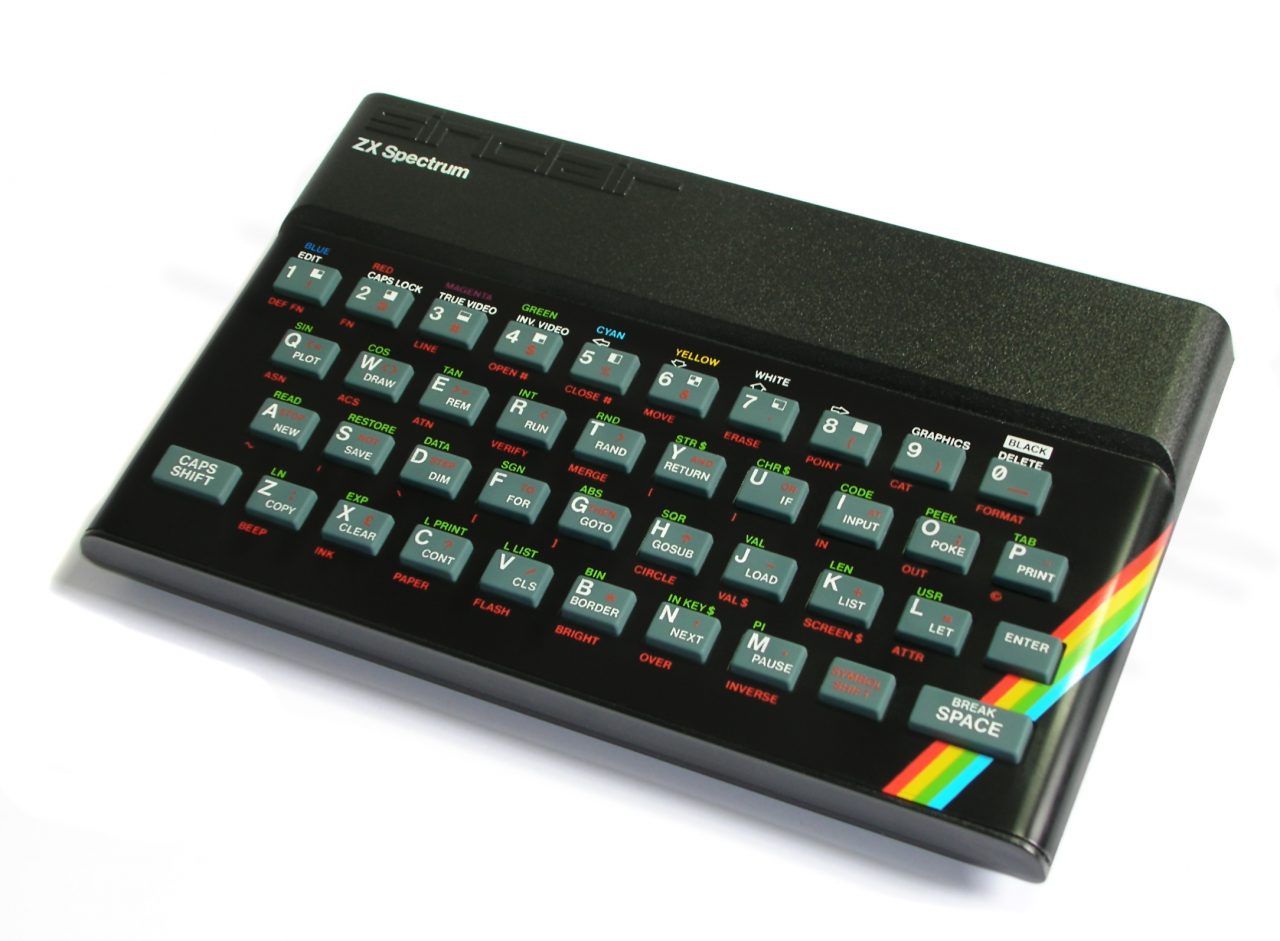
Alongside the American VIC20, a slew of other devices was released by UK based companies. The most famous was the Sinclair ZX Spectrum and ZX81. However, other notable UK made systems included the BBC Model B (built by Acorn), Dragon 32, Amstrad CPC464, Apricot F1, Camputers Lynx, Gundy Newbrain, Jupiter Ace, Memotech MTX, Tangerine Oric 1 and many others.
The Dragon 32 used the Motorola 6809 CPU
Almost all home computers of the era were based on the Zilog Z80 or MOS 6502 microprocessors with a small number going with the Motorola 6809 (which was more advanced that the Zilog and MOS processors).
The computers were generally self-contained devices, combining keyboards and computers as one with connectivity with colour or black and white TV’s which the user was generally expected to supply. Other peripherals were available such as tape drives, floppy disk drives, printers, joysticks and light-pens. Some models also supported plug-in cartridges which generally allowed the owner to play pre-programmed games.
The Sinclair ZX Spectrum 48K was the darling of the 80s market due to it’s price and range of games
The first to the market came with minute amounts of programmable RAM in the region of 1K to 5K, later entrants from the UK market settings with 16K or 32K with some stretching even further. If I compare this to my Sony Xperia 1 mobile that I use today, this comes with 6 Gigabytes of RAM which is roughly 1,700,000 times more than my Commodore VIC!
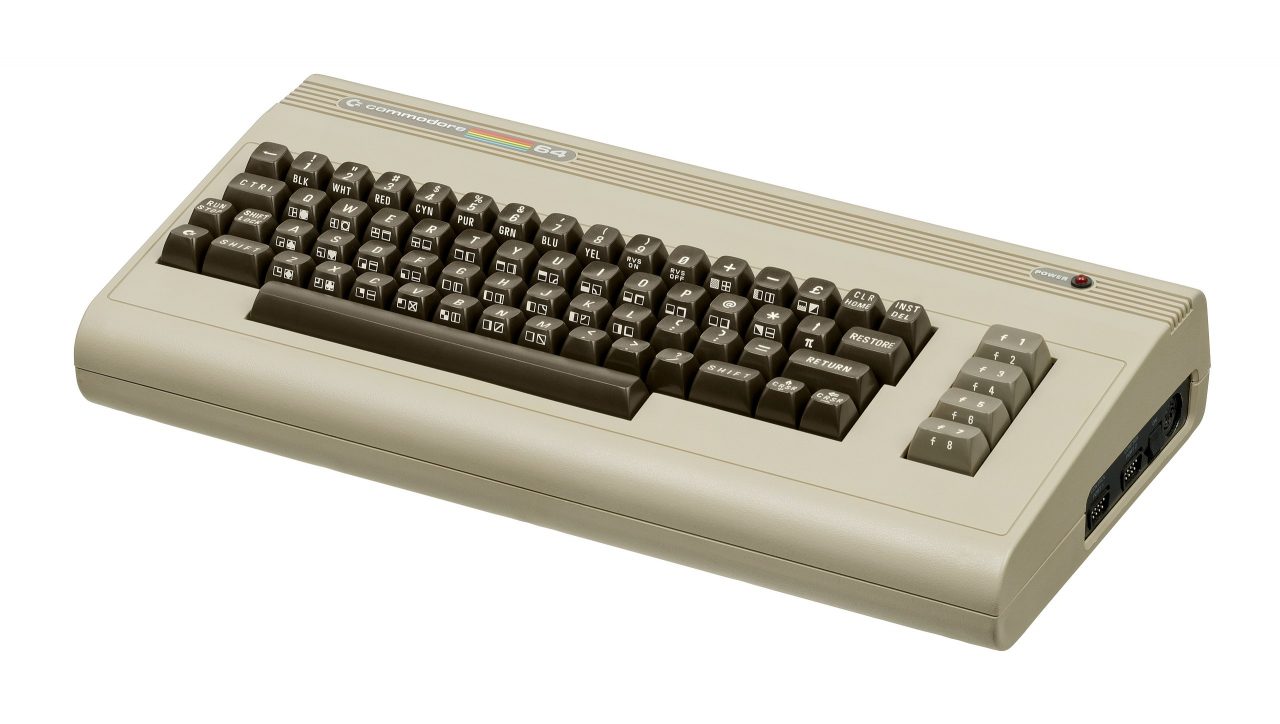
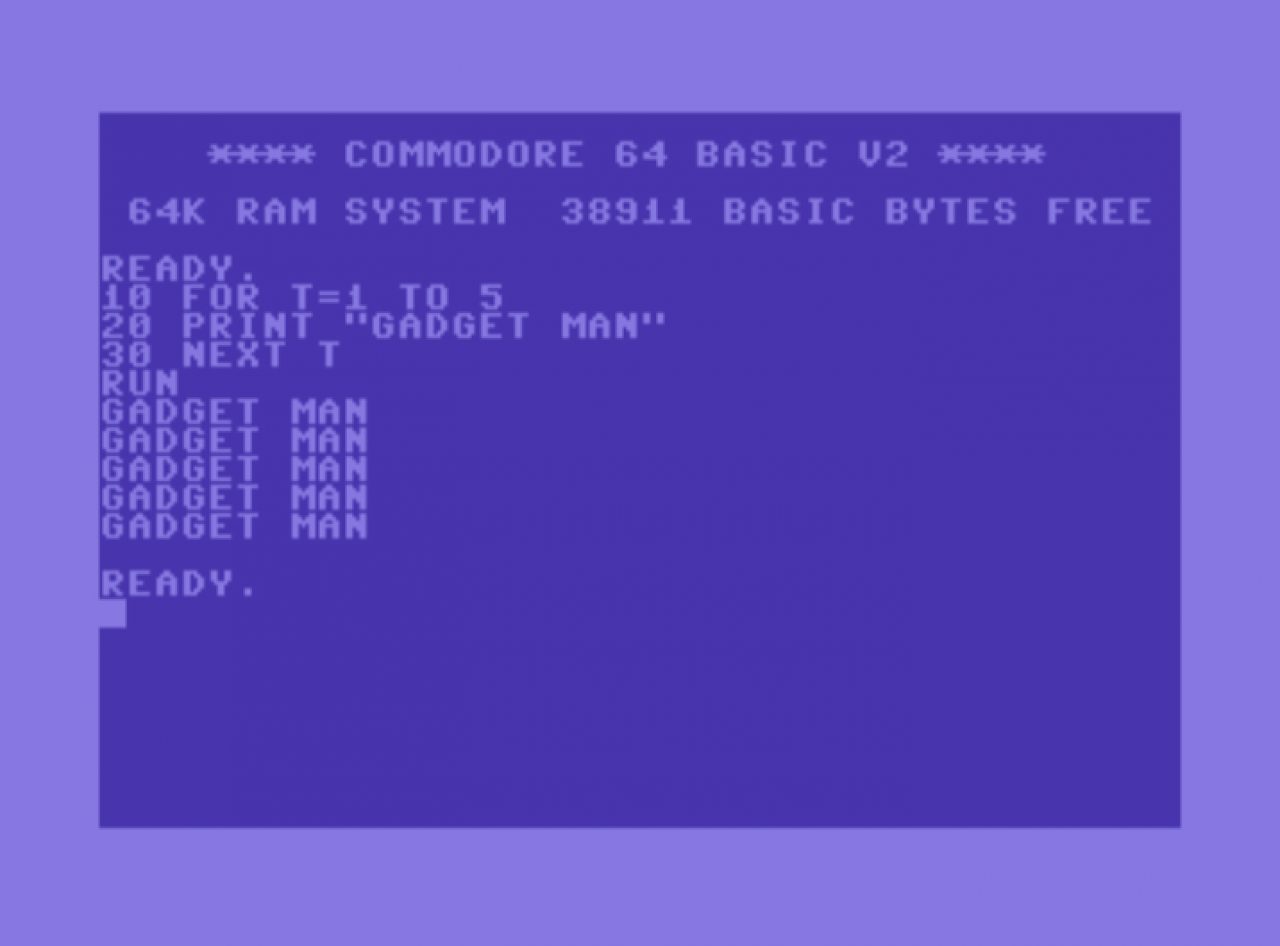
The higher-end Commodore 64 Personal Computer with its sprite graphics, outstanding sound and award-winning games had a longer stay than most in the marketAn example of Commodore BASIC Code – Beginner’s All-Purpose Symbolic Instruction Code
Almost every computer came preloaded the BASIC (Beginner’s All-Purpose Symbolic Instruction Code) programming language which allowed a new breed of programmers to begin crafting their own code. Although the basics of each version of BASIC remained similar, that’s where it ended, different hardware and firmware made each machine incompatible with the other. Having a market saturated with different devices which didn’t speak the same dialect was the architect of their demise.
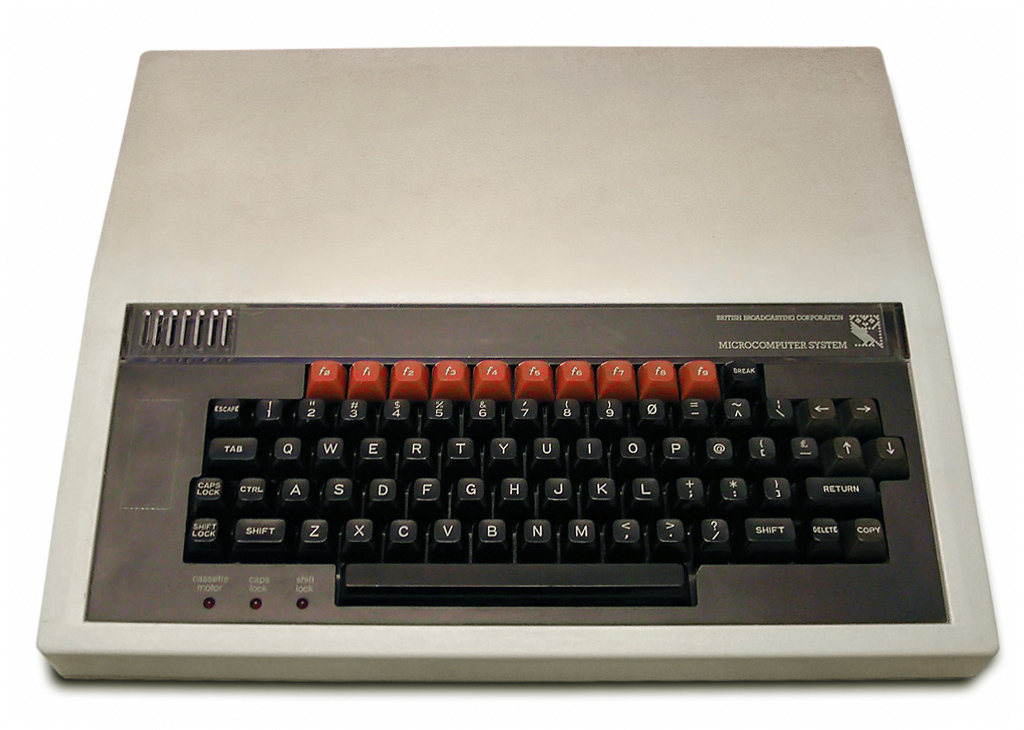
The BBC Micro Model B, built by Acorn as a joint venture with BBC. It found it’s way into schools as the staple computer for education.
After 3 to 4 years, the majority of these computers had become obsolete and fell out of use leaving the BBC Model B surviving through use in UK schools, colleges and universities and the Commodore 64 which had become a glorified games console rather than a way for young people to gain computer experience.
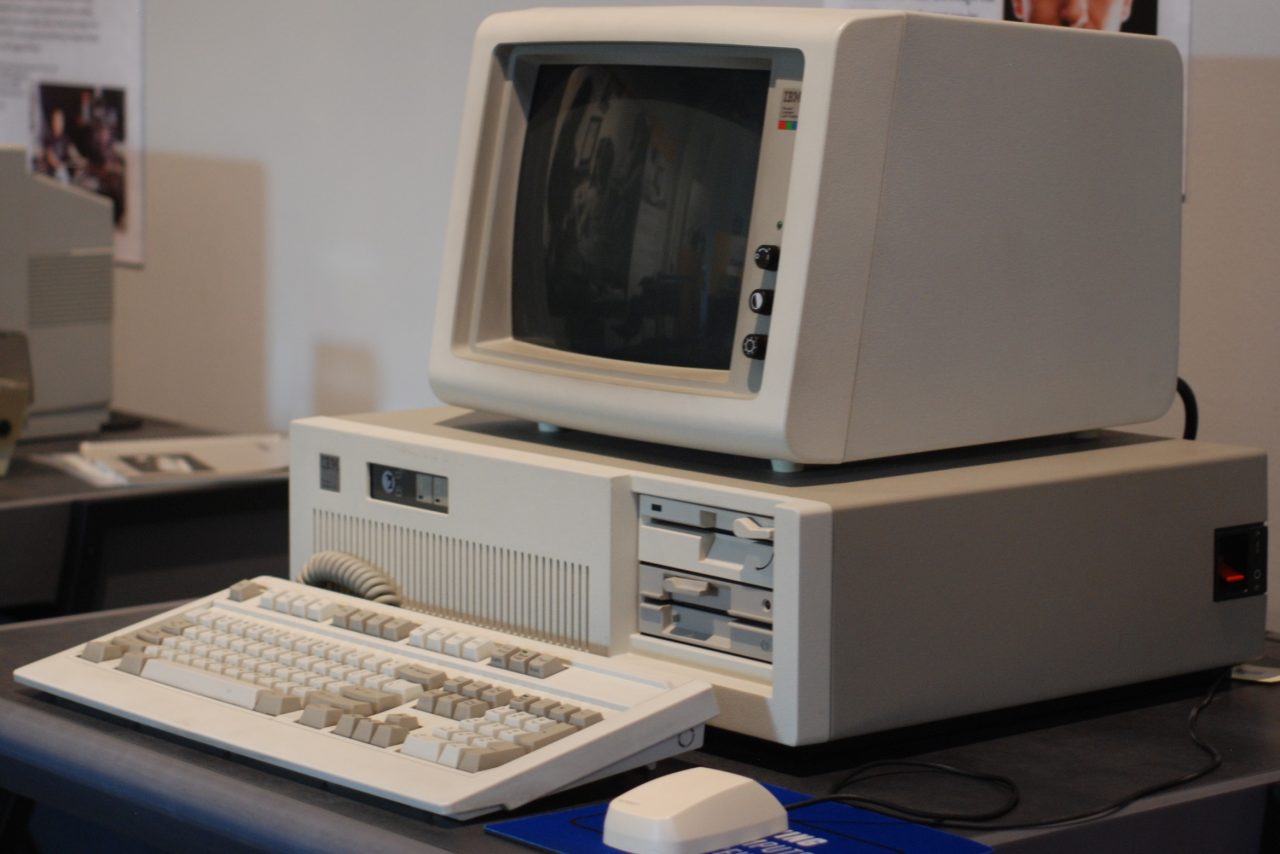
The IBM_PC_AT and it’s lower cost clones swooped in and stole the market
Along came affordable IBM PC clones from Dell, Compaq, AST and Gateway which WERE compatible with each other. Users began migrating across to these PC compatibles and the market was replaced at home and office. It was the end of an era.
Without the likes of Commodore or Acorn, my life would have been very different, so I have to tip my hat to the 80s Home Computer!.
Listen in to the podcast above to find out more and don’t forget to LIKE, SUBSCRIBE, SHARE and COMMENT!!!
See you next time
Matt
The Gadget Man (Former Programmer of CBM Basic, BBC Basic, DataGeneral Basic, Testpoint Basix and Visual Basic)
All intelligent science is informing us that it is now past the time to start thinking about our planet and how we should be treating it before we reach its tipping point, the time when we can no longer begin to undo the damage that the human race has inflicted upon it.
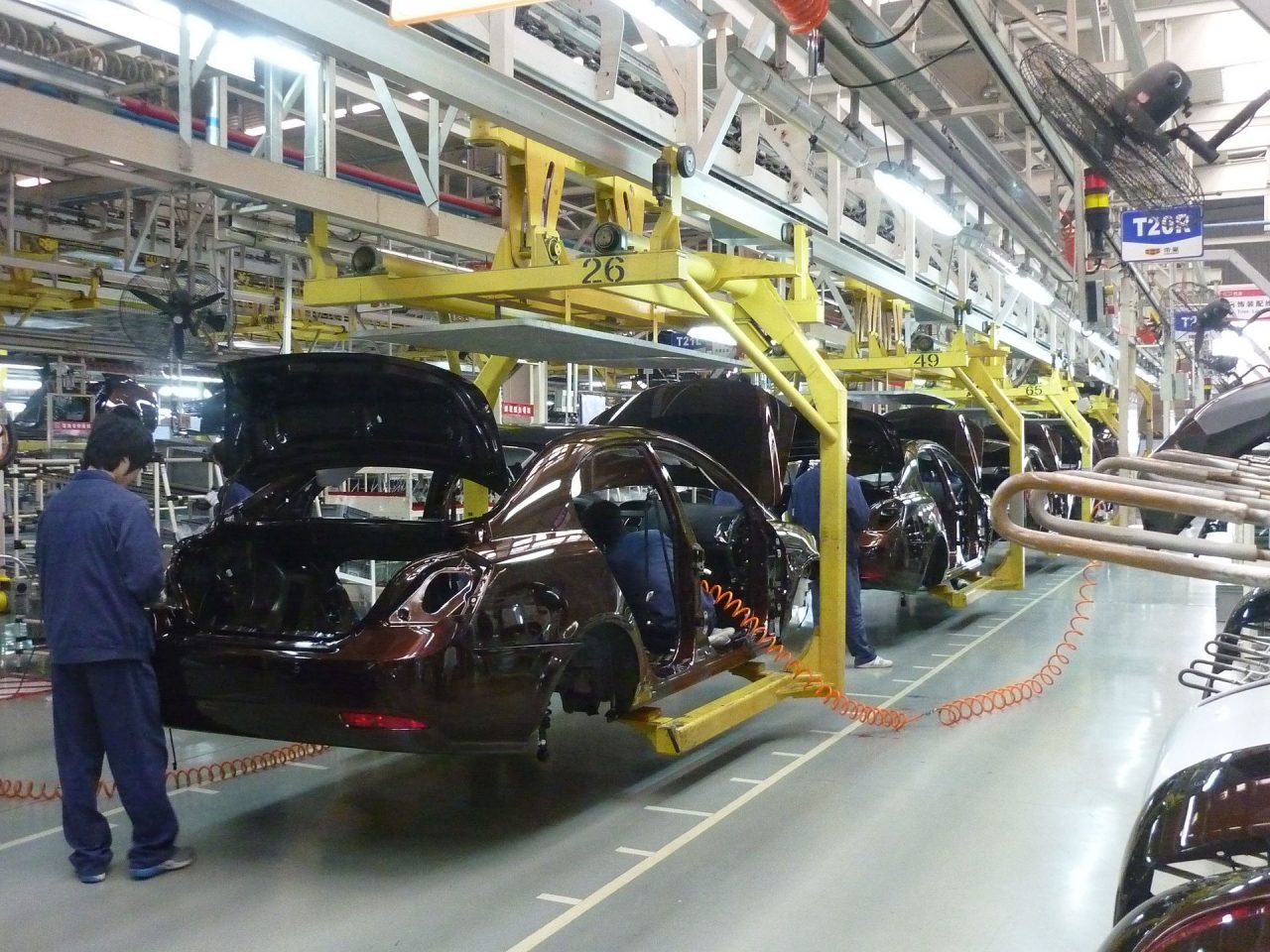
Our oceans are strewn with millions of tons of plastic, so it is good to read that the big car manufacturers are stepping up to the plate and looking for alternative materials and techniques which avoid the continues use of non-biodegradable plastics which have been the go-to material for decades!.
Image Credit: By Siyuwj – Own work, CC BY-SA 3.0
In this podcast, I chat to James Hazell from BBC Radio Suffolk about bio-plastics and their growing use in the manufacture of car interiors.
It’s interesting listening, so don’t forget to tune in and Like, Subscribe and Comment.