
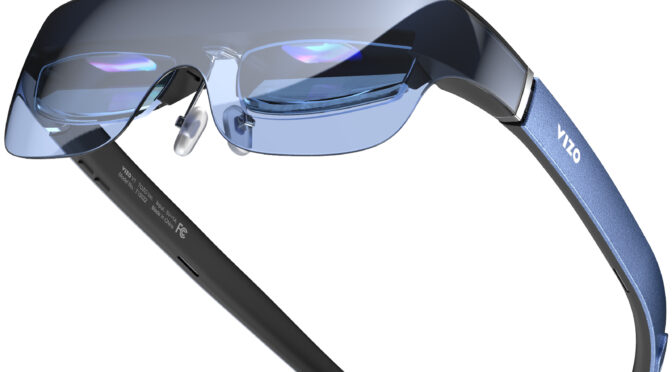
There is a quiet but unmistakable shift happening in wearable tech. What once felt like science fiction is edging closer to something you might genuinely throw in your bag alongside your phone and headphones. Enter the VIZO V1 AR Glasses, a new entrant aiming to make augmented reality feel less like a novelty and more like an everyday companion.
Backed by audio and hardware specialist TOZO, VIZO is positioning its debut product as a practical, usable piece of kit rather than a futuristic curiosity. And on paper, it makes a strong first impression.
A Pocket Cinema You Can Wear
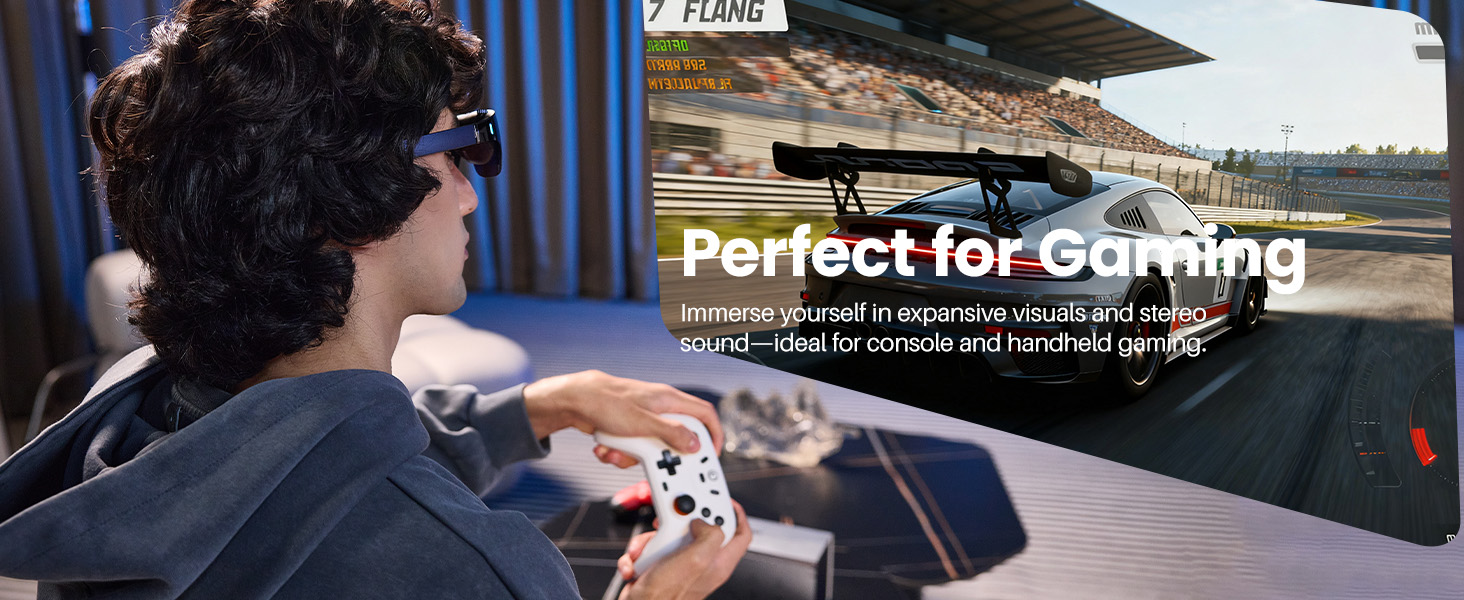
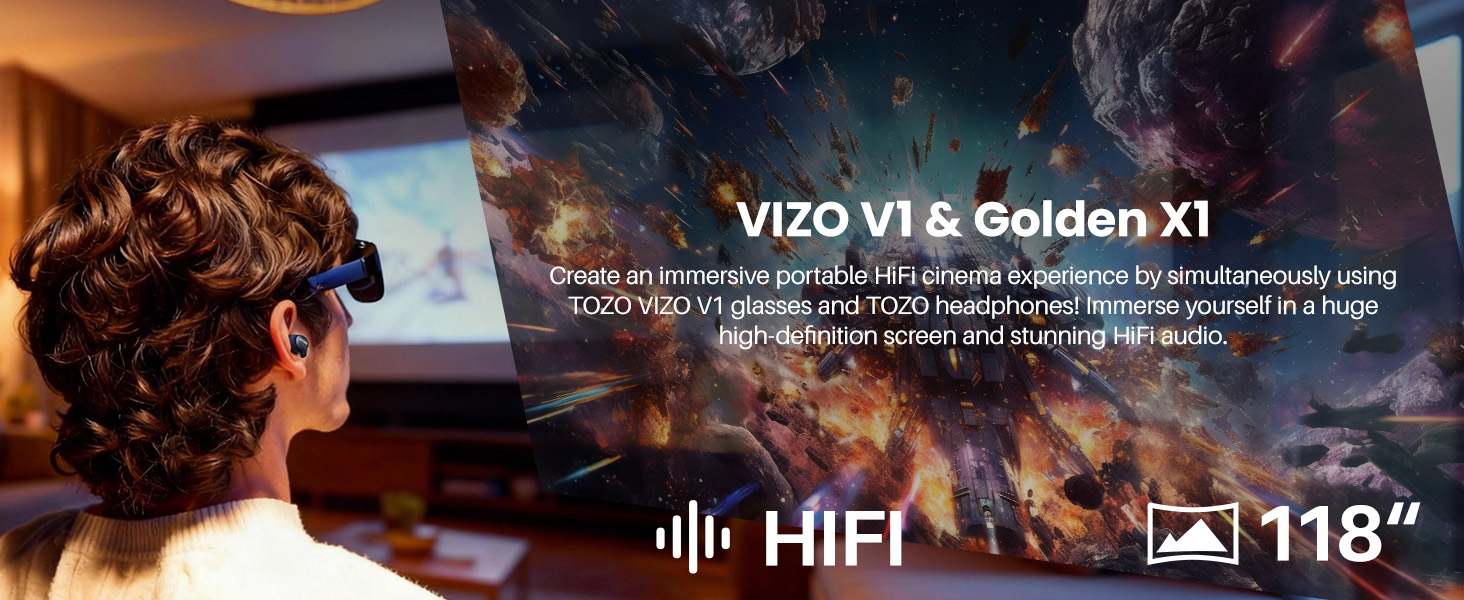
The headline feature here is the 118 inch virtual display, effectively turning the glasses into a personal cinema screen. Pair that with Full HD resolution, a 41 degree field of view, and a claimed 100,000 to 1 contrast ratio, and you are looking at something designed squarely for media consumption.
What makes it more interesting is the 1800 nit brightness, which is unusually high for this category. That matters because one of the long standing weaknesses of wearable displays has been usability outside dimly lit rooms. VIZO is clearly pushing the idea that this is something you can use on a train, in a park, or sat by a bright window without everything washing out.
Designed for Real Life, Not Just Demos
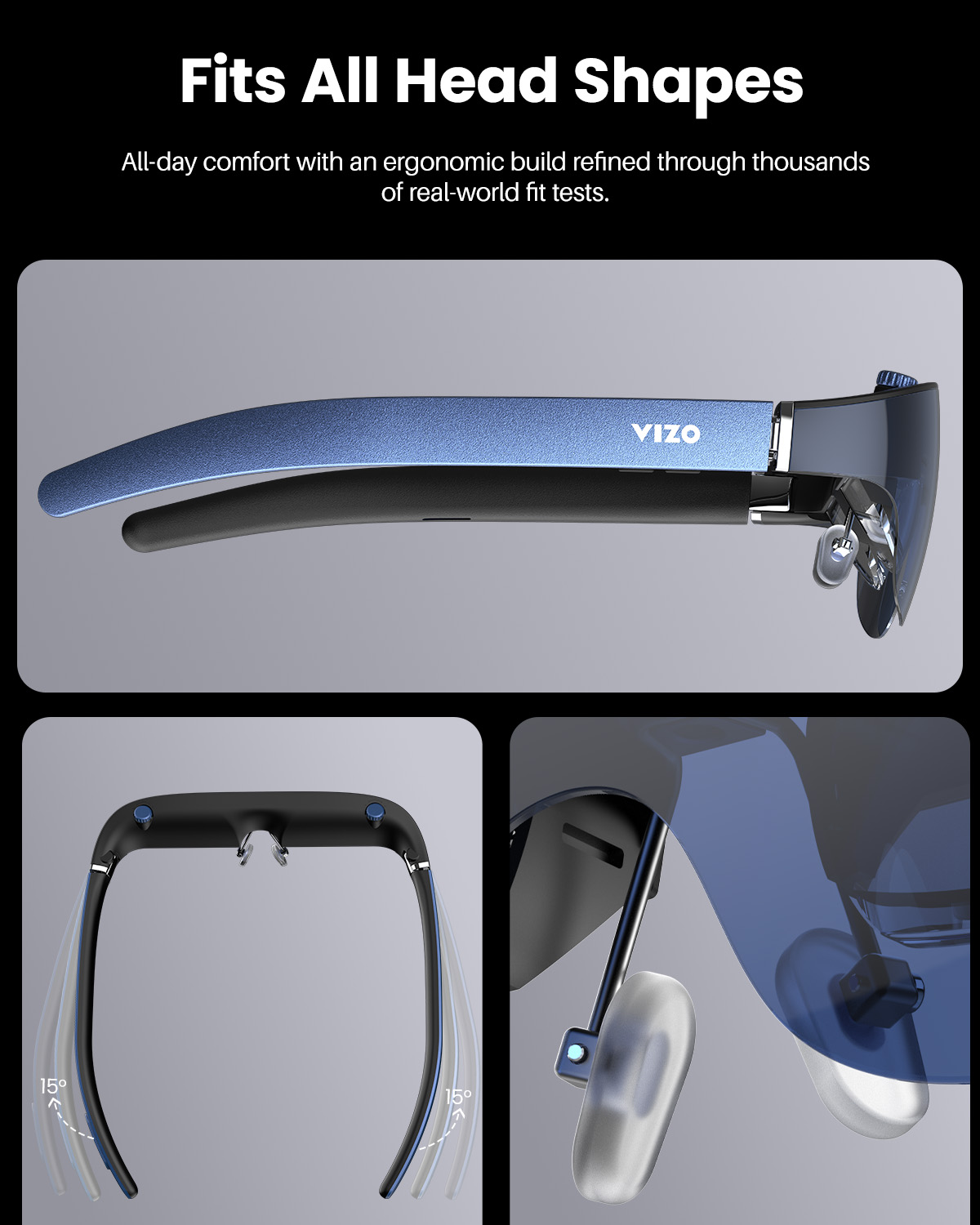
One of the biggest hurdles for AR glasses has always been comfort. If they are awkward or fatiguing, they simply do not get used.
VIZO claims to have leaned heavily into real world testing here, producing a lightweight and balanced design intended for longer sessions. There is also built in myopia adjustment up to 500 degrees, which is a genuinely practical touch. It means a chunk of users can skip prescription inserts altogether and just dial things in.
That sort of thinking suggests this is less about impressing at a trade show and more about surviving daily use.
Plug, Play, and Get On With It
Connectivity is refreshingly straightforward. The V1 uses USB C with DisplayPort support, meaning it should work with a wide range of devices including smartphones, laptops, and even games consoles.
No convoluted pairing process. No ecosystem lock in. Just plug it in and go.
That simplicity could be one of its biggest strengths, especially for anyone who has wrestled with early VR or AR setups that felt like assembling a small satellite before you could watch a film.
More Than Just a Screen
Audio is handled via integrated stereo speakers, and there is support for switching between 2D and 3D viewing modes. That points towards a flexible use case, from streaming films to casual gaming or even just expanding your screen real estate when working on the move.
It is not trying to be a full mixed reality headset. Instead, it sits in an interesting middle ground between entertainment device and productivity tool.
A New Name to Watch?
VIZO itself is a relatively new brand, founded in 2025 and built around the idea of “Tech Around You.” That philosophy comes through quite clearly here. The V1 does not attempt to reinvent computing, but rather slips into your existing setup and enhances it.
Whether it succeeds will depend on real world adoption, but the direction is promising. AR does not need to be dramatic to be useful. Sometimes it just needs to work.
The VIZO V1 is available now via TOZO’s store and Amazon UK, signalling a fairly confident launch rather than a tentative experiment.
Final Thoughts
We have seen plenty of ambitious AR concepts over the years. Many have dazzled briefly before fading away under the weight of complexity or impracticality.
What makes the VIZO V1 interesting is that it appears to be aiming for something far simpler. A wearable screen that just works, wherever you happen to be.
And in 2026, that might be exactly what this space needs.
VIZO V1 AR Glasses Available from Amazon for around £399